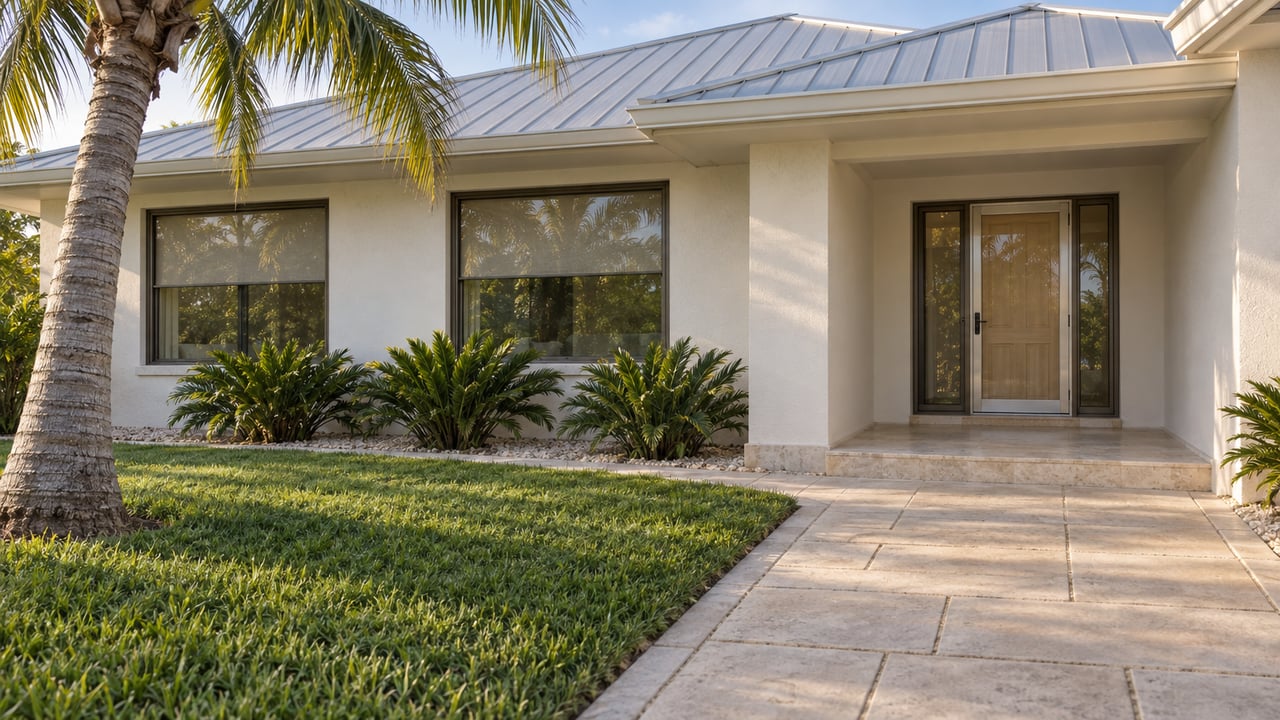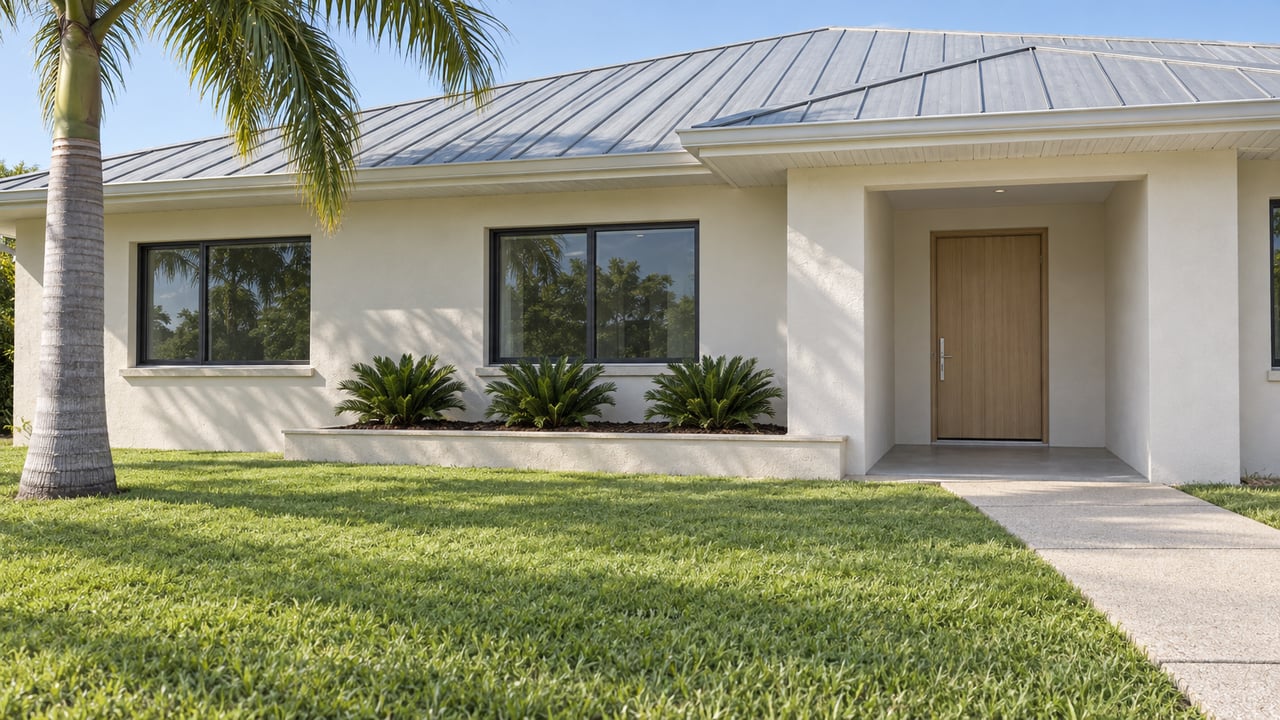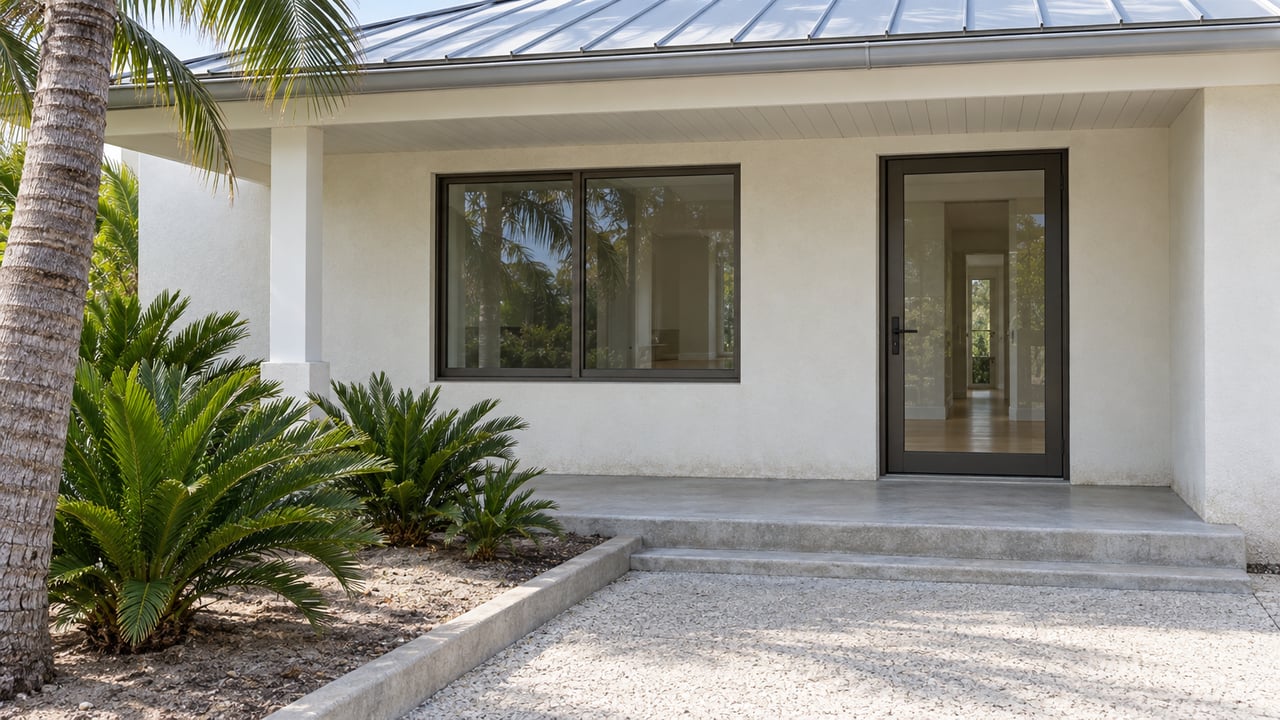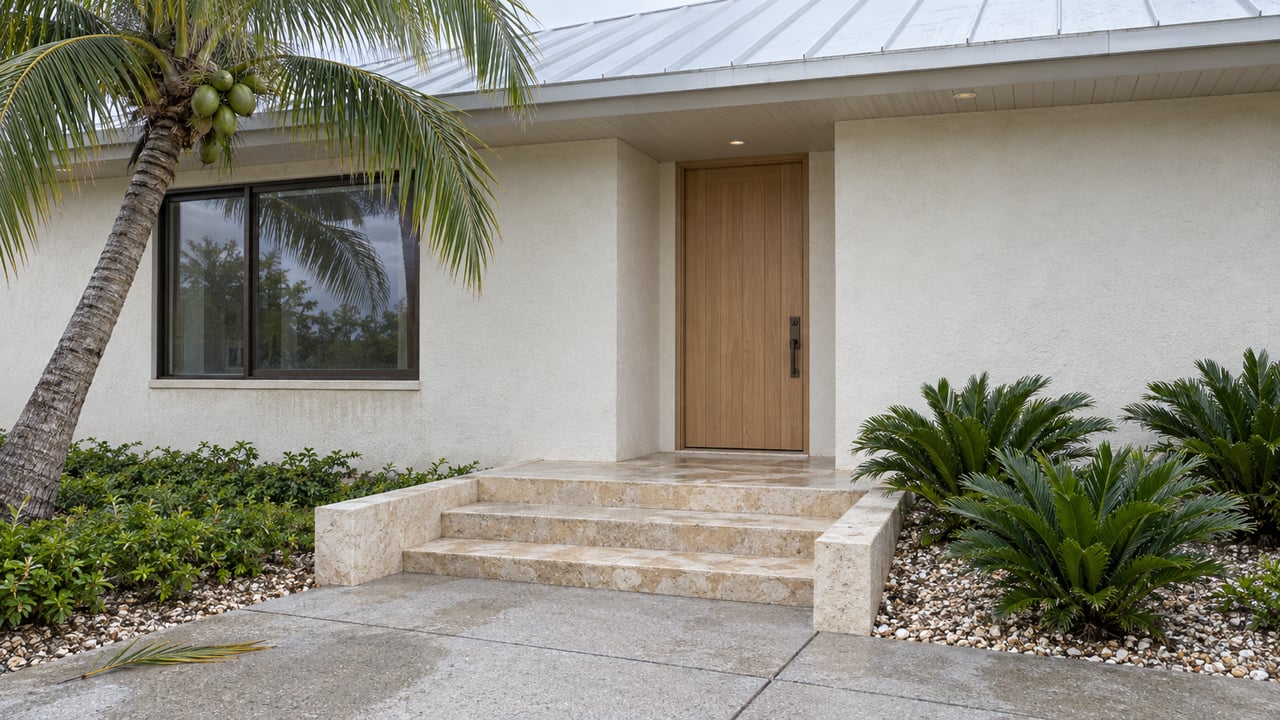
A buyer under contract on Captiva this summer ran into a problem that had nothing to do with the house. Their lender's appraiser pulled comparable sales from the same half-mile stretch of the island and came back with a spread wide enough to stall the loan: one comp was a fully rebuilt, elevated home that closed near its list price, another was a pre-Ian structure that sold for a fraction of that, and a third sat somewhere in between with an incomplete renovation. On most islands, an appraiser can average their way to a defensible number. On Captiva, averaging is exactly the mistake.
That is the friction almost every out-of-state buyer discovers the first time they try to price a Captiva property against anything they saw on a portal. The island's average home value is reported as down roughly 10 percent year over year, landing near $1,204,096 as of early 2026. Read on its own, that number suggests a market cooling off, maybe a window to negotiate. It is the wrong read. Captiva right now is not one market losing value. It is two markets moving in opposite directions at the same time, and the blended average is hiding the story rather than telling it.
The Number Everyone Quotes, and Why It Misleads
Captiva has fewer than 500 residential parcels and a population that hovers between roughly 175 and 600 people, most of them seasonal. On an island that small, a dozen closed sales in a given month is a busy month. When the sample size is that thin, a single unusual transaction, a distressed teardown or a trophy rebuild, can swing a reported average by a meaningful percentage all by itself.
That is precisely what has been happening since Hurricane Ian made landfall as a Category 4 storm on September 28, 2022, near Fort Myers Beach and carved a new inlet through Captiva's north end, cutting off road access and destroying or severely damaging an estimated 60 to 70 percent of the island's structures. Nearly four years later, the island is not recovering as one unit. It is recovering in two distinct tracks, and any single average price obscures which track a given property is actually on.
Two Islands Inside One Island
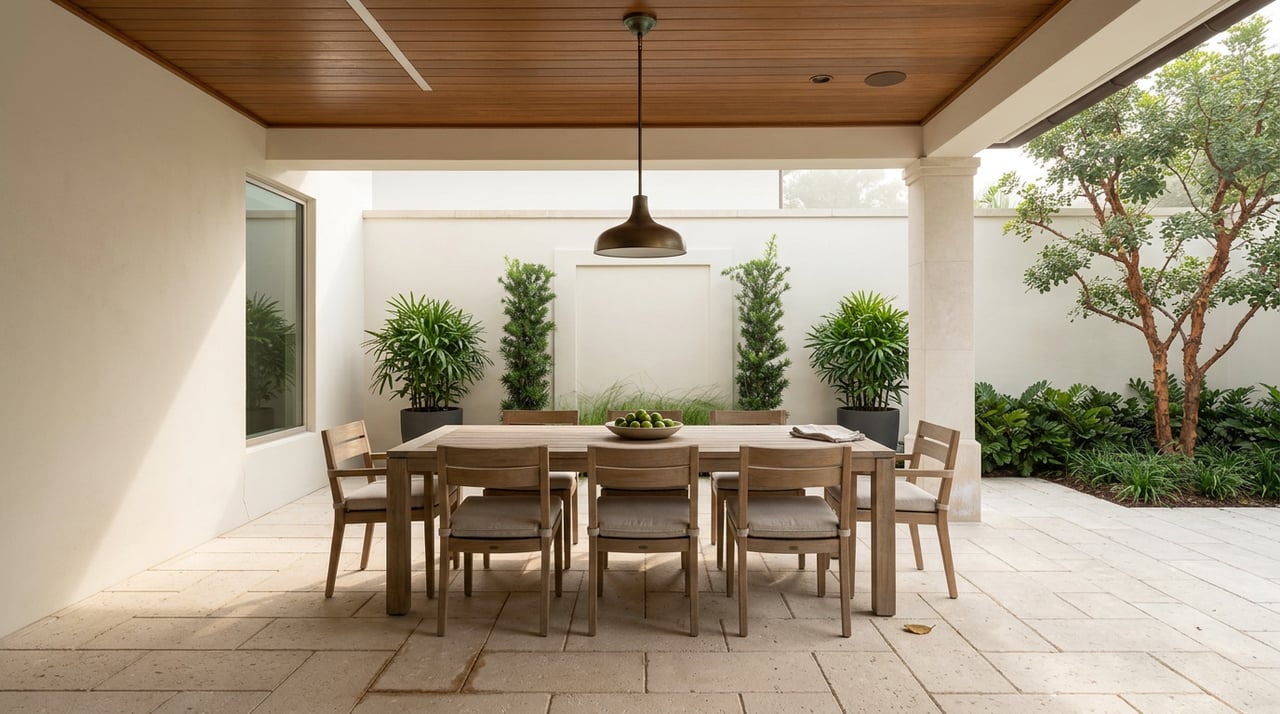
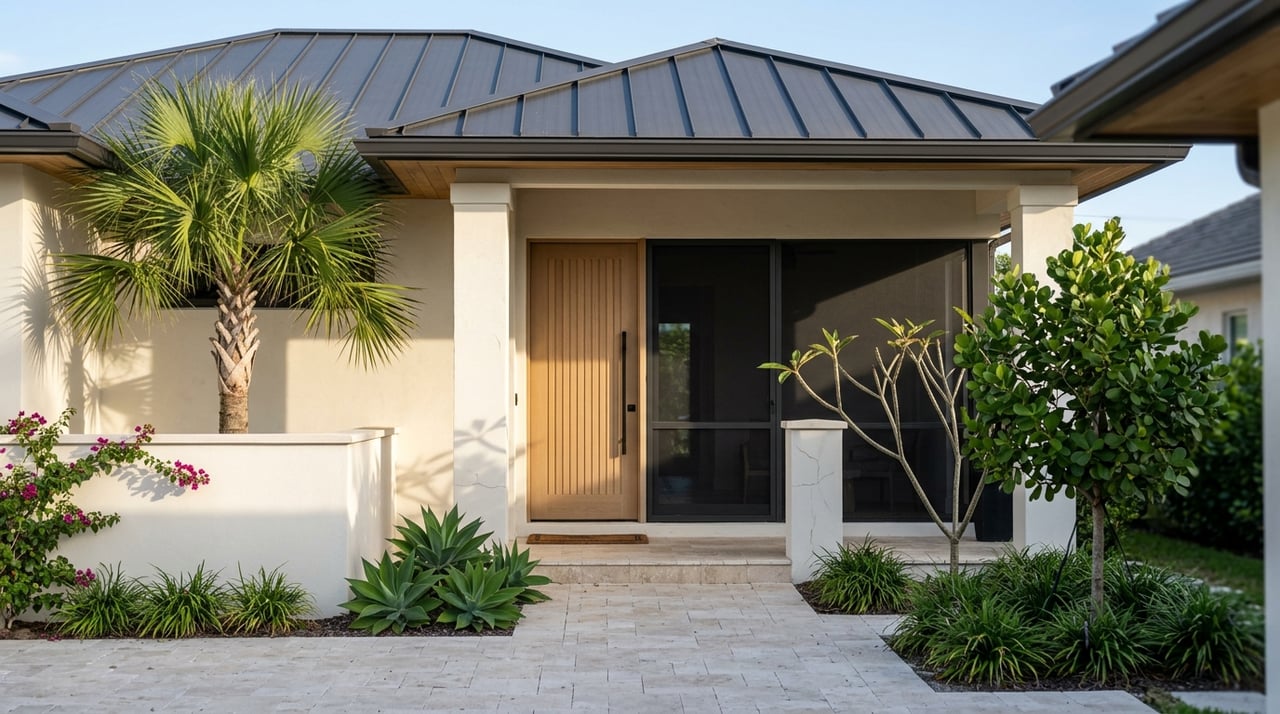
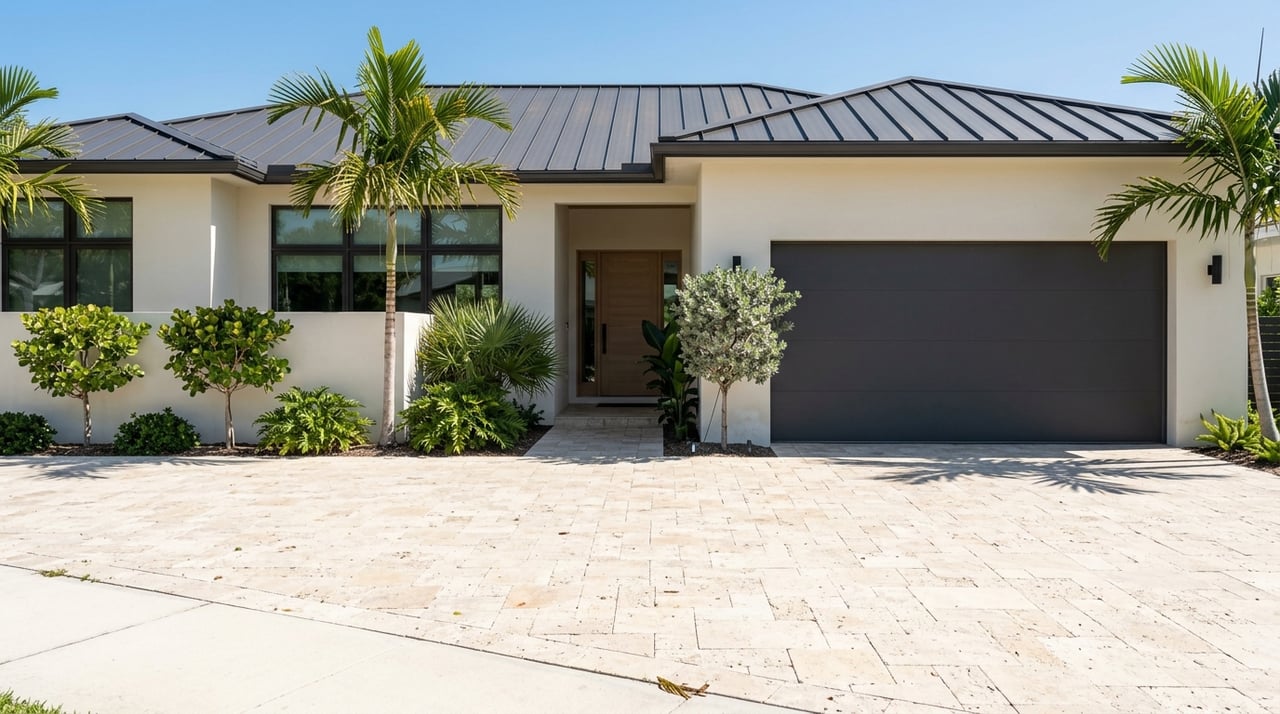
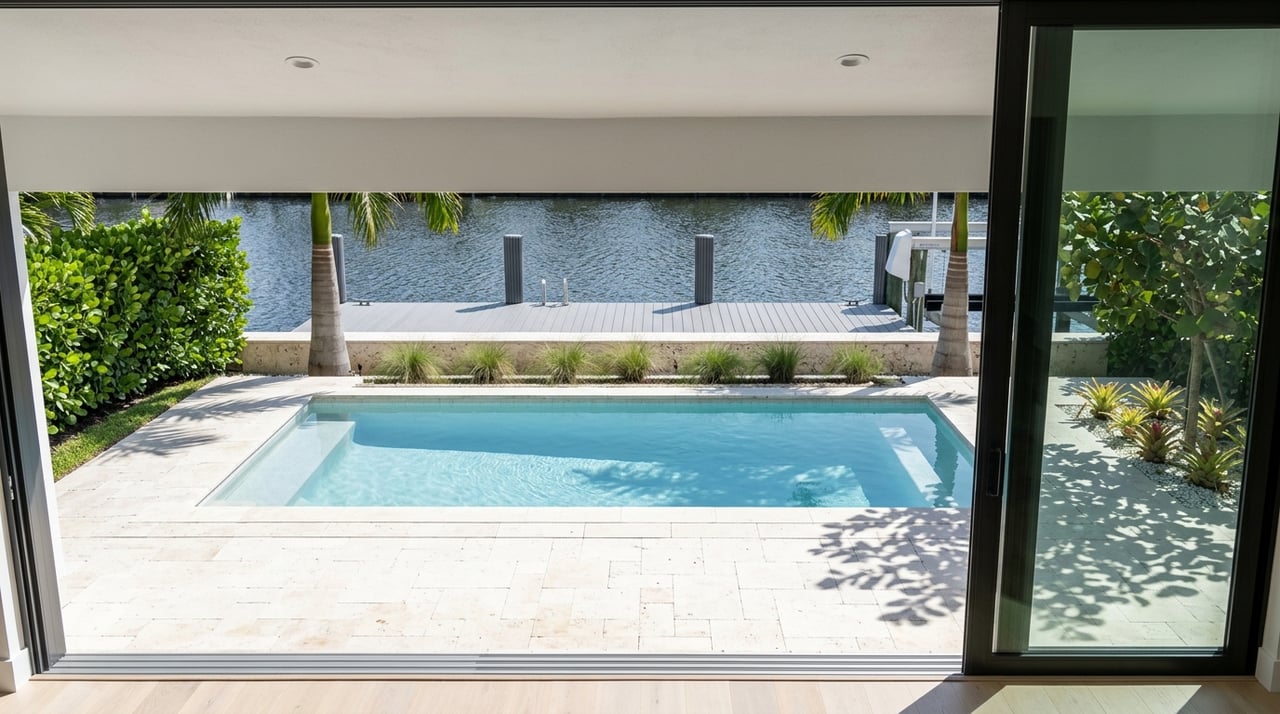
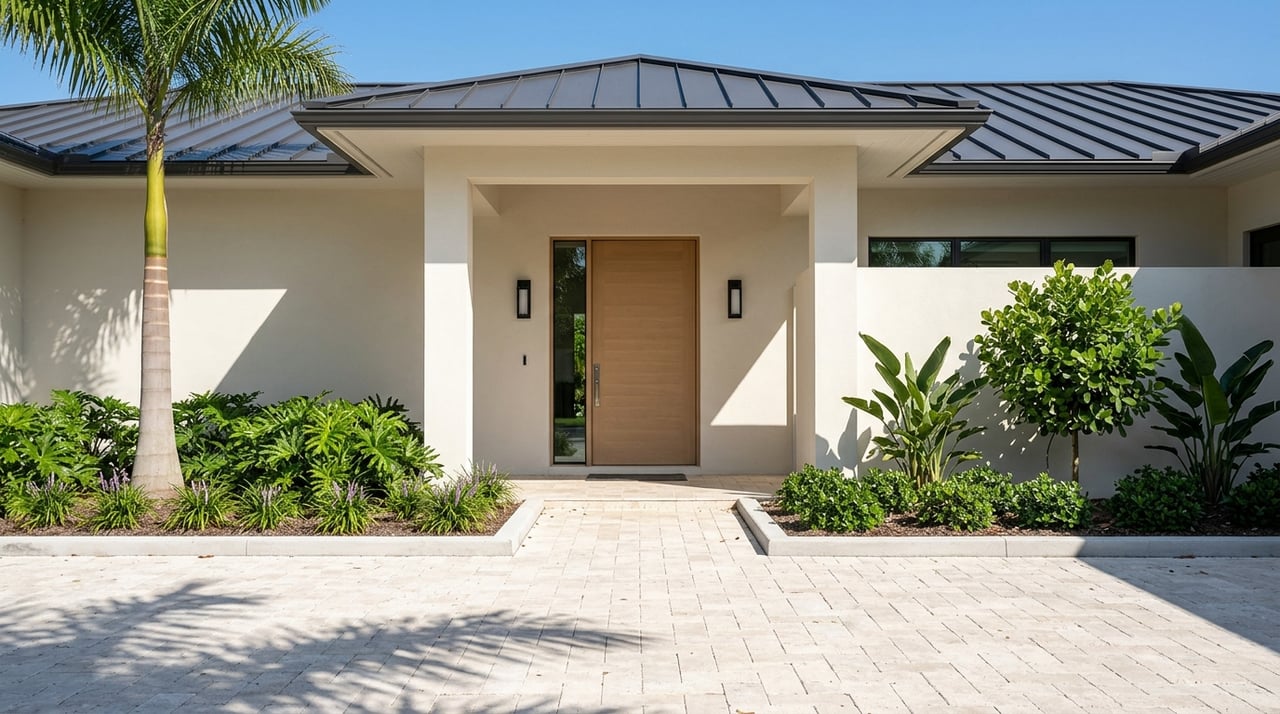
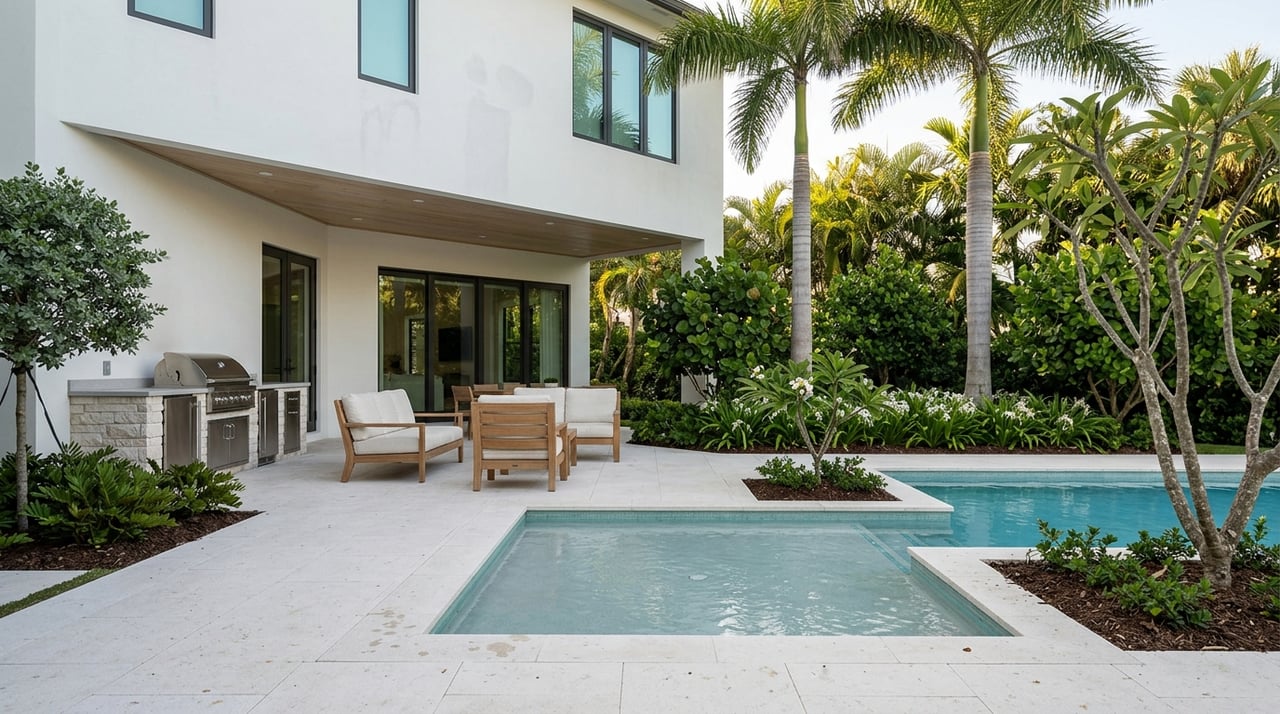
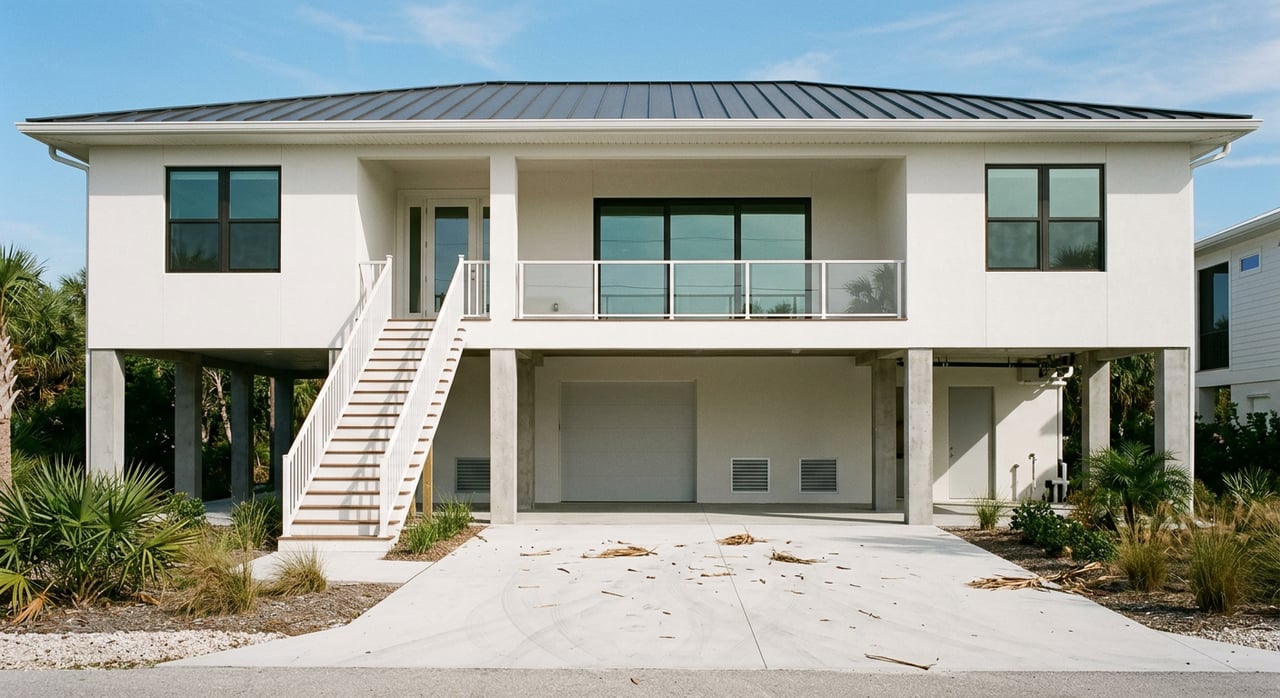
The segment data tells a sharper story than the headline number. While the blended average home value slipped about 10 percent year over year, the bottom tier of the market, meaning storm-damaged or pre-Ian structures still awaiting rebuild, dropped closer to 13 percent over the same period. Meanwhile premium, fully rebuilt Gulf-front properties have held their value far better, in some cases pricing at or above pre-storm levels once elevation, hurricane-impact construction and current code compliance are factored in.
The practical result is that two lots on the same block, even the same street, can carry a price difference of $500,000 or more based entirely on rebuild status and flood zone designation. A property is not just "cheaper" because the island's median moved down. It is either sitting in the rebuilt segment, where buyers are paying a premium for certainty, or the damaged segment, where the discount reflects real uncertainty about permitting, construction cost and financing.
| Rebuilt / Elevated Segment | Storm-Damaged / Pre-Ian Segment | |
|---|---|---|
| Price direction (YoY) | Holding or gaining | Down roughly 13% |
| Typical buyer | Cash or conventional, move-in ready | Cash, renovation-focused, longer timeline |
| Insurance profile | Lower flood premiums, current code | Higher premiums, uncertain until permitted |
| Financing friction | Standard appraisal comps | Comps hard to find, lenders cautious |
What Is Actually Being Built Right Now
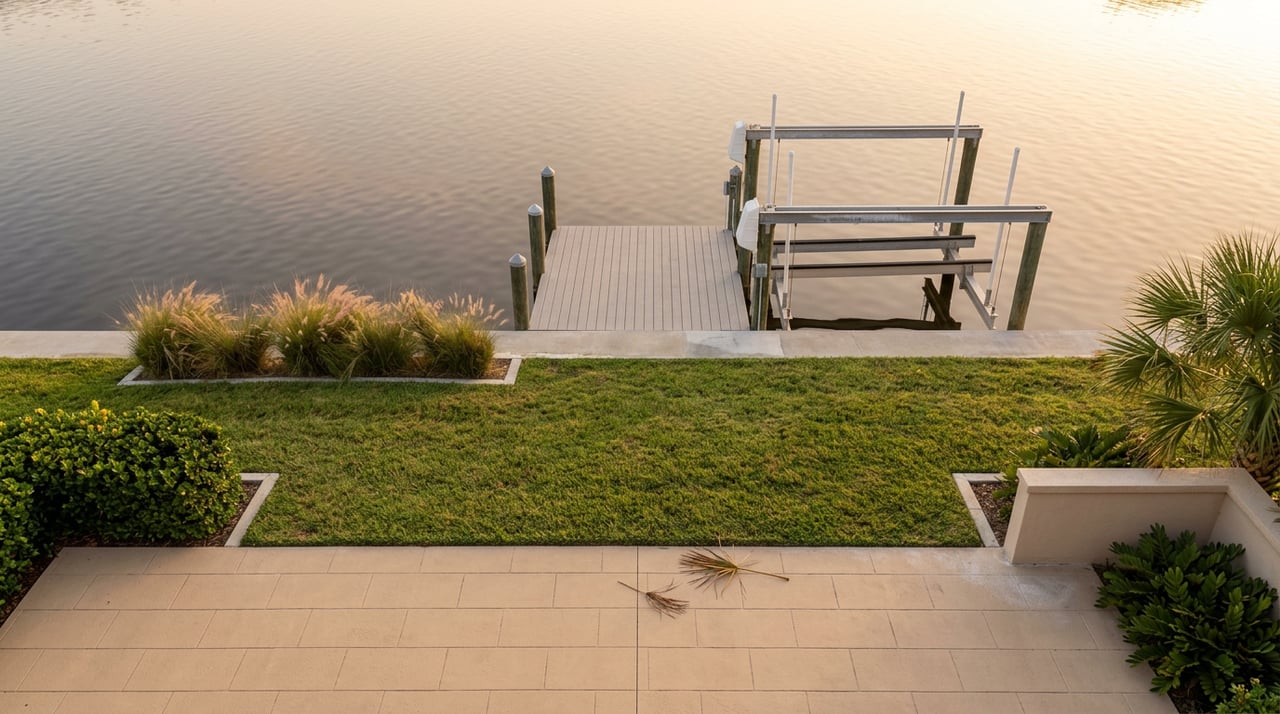
The clearest evidence of the split is under construction on Captiva today. On Andy Rosse Lane, the island's most walkable stretch and home to longtime spots like Keylime Bistro, RC Otters and the Mucky Duck, the home known as Xanadu was rebuilt from the concrete structure up following a 2024 acquisition, with every element new, from impact windows and Hardie siding to the mechanical systems inside. As of early August 2026 it was listed for sale, priced near $5 million for roughly 3,100 square feet. That is what a fully rebuilt legacy address on that block commands.
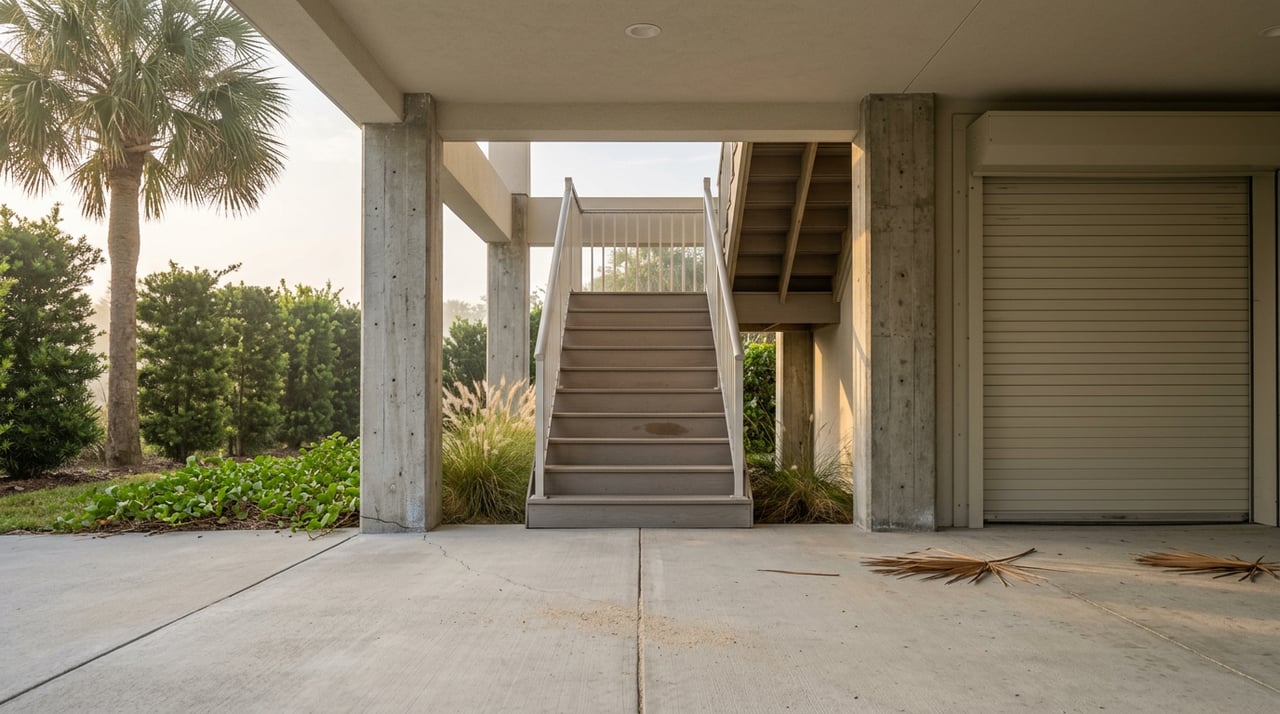
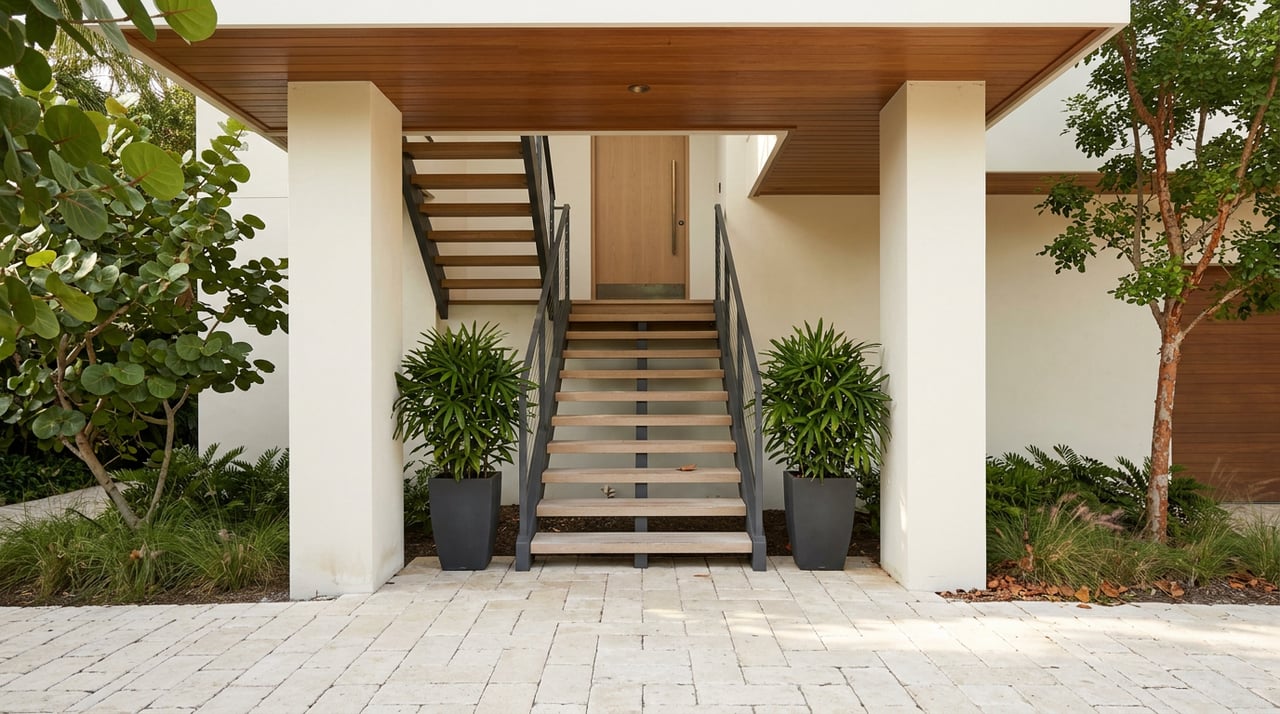
A few doors down, Stevens Construction broke ground in October 2025 on the new Captiva Island Inn at 11508 and 11509 Andy Rosse Lane, the first ground-up accommodation build on the island since Ian. The two elevated structures total 8,454 square feet and rest on 208 concrete pilings, with completion slated for fall 2026. That timeline, roughly a year from groundbreaking to opening for a mid-sized commercial rebuild, is a useful benchmark for anyone estimating how long a residential rebuild of similar scale might realistically take once permits are in hand.
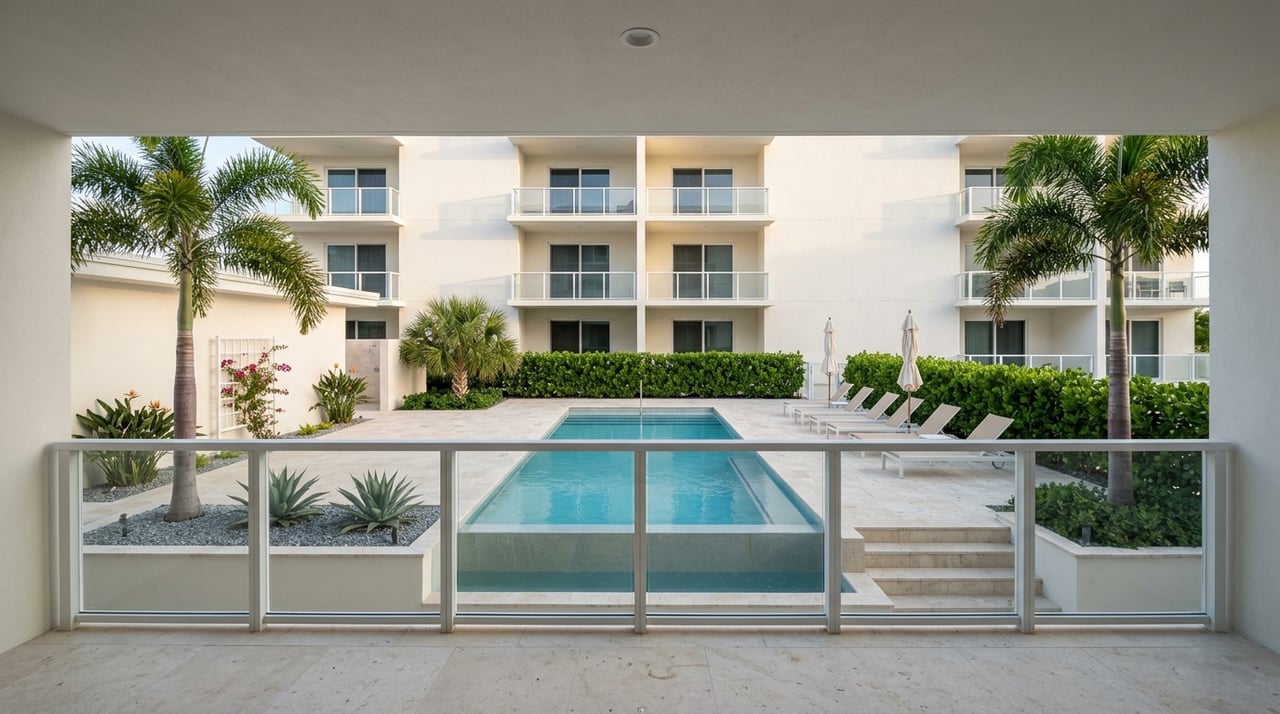
Across the pass on Sanibel, Benchmark General Contractors is set to break ground August 31, 2026, on a new 14-unit condominium at 527 East Gulf Drive, another rebuild milestone that gives buyers a live comparison point for construction costs and permitting pace in the same building climate. South Seas Resort has also continued its own reinvestment on Captiva's north end, part of a broader wave of capital moving back into the island's commercial core. None of this activity moves the blended average price in a way that a single quoted statistic can capture. It does, however, tell you which segment of the market is attracting capital and which is still waiting.
The Insurance Line Item That Actually Splits the Market
Flood insurance is where the rebuilt-versus-damaged divide becomes a hard number rather than a market impression. Gulf-front flood coverage on Captiva commonly runs $15,000 to $30,000 or more annually, and once windstorm coverage is added, the combined bill on a premium beachfront home can approach $50,000 a year. Under FEMA's Risk Rating 2.0 system, premiums are now assessed on individual property characteristics rather than flood zone alone, and the agency's glide path allows increases of up to 18 percent per year until a policy reflects its full risk profile.
An elevation certificate is no longer required to bind most policies written after October 2021, but FEMA's own guidance notes that a certificate can still lower a premium if the agency's remote elevation estimate is off, which on a barrier island with irregular lot grading happens often enough to be worth the few hundred dollars a licensed surveyor charges. For a rebuilt, elevated home, that certificate usually confirms a lower rate. For a structure still awaiting rebuild, the absence of one leaves an insurer pricing to the worst case, which is another reason damaged properties carry a steeper discount than the headline average suggests.
Reading the Real Data Instead of the Headline
The most reliable source for Captiva-specific activity is the Sanibel & Captiva Islands Association of Realtors, which publishes monthly MLS-based market reports tracking median sale price, days on market and active inventory. Because the islands trade so thinly, those reports are only useful when read by segment: Gulf-front, canal-front and interior tracked separately, and rebuilt properties tracked apart from damaged ones. Days on market by segment is worth watching in particular. Rebuilt, elevated homes and distressed, unrebuilt ones sit on the market for very different lengths of time, and as that gap narrows it tends to signal that buyers are growing more comfortable taking on renovation risk themselves.
Even the two barrier islands most often lumped together are not moving in lockstep. Lee County's Property Appraiser released preliminary 2026 tax roll values on July 1, showing an 8.15 percent increase for the city of Sanibel and a 4.56 percent rise for Captiva as part of unincorporated Lee County. That was a shift from the office's earlier May 29 estimate, which had actually shown Sanibel values down 1.19 percent while Captiva was already up 2.94 percent. Two neighboring islands, two different trajectories, between preliminary releases roughly a month apart. If the county's own valuation swings that much between preliminary releases, a single blended sale-price average from a portal is not a number a buyer should anchor a decision to.
What This Means If You Are Actually Buying
- Ask for the elevation certificate and current flood zone designation before you spend time on anything else. It changes the insurance math more than almost any other line item.
- Request segment-level comps, not blended ones. A Gulf-front rebuild and a damaged interior lot are not the same asset class even if they are a block apart.
- Model the full carrying cost, flood, wind and any HOA fees, before you negotiate price, not after.
- Watch days on market by segment over several months rather than reacting to one data point. On a market this thin, a single quarter can be skewed by one unusual sale.
Frequently Asked Questions
Is a 10 percent drop in Captiva's average home value a discount opportunity? Not on its own. The average combines a rebuilt segment that is holding value with a damaged segment that has fallen further, closer to 13 percent. The discount only applies to the second group, and it comes with real rebuilding risk attached.
Why did two similar-looking Captiva properties sell for such different prices? Rebuild status and flood zone designation, not size or location alone, are driving most of the price variance right now. A property with modern pilings and current code compliance is underwritten differently than one still awaiting repair, even on the same street.
How much does flood insurance actually vary between a rebuilt and a pre-Ian home on Captiva? Gulf-front coverage on an elevated, current-code home typically prices well below the $15,000 to $30,000 range often quoted for older or non-compliant structures, and an elevation certificate can move that number further if FEMA's remote estimate was conservative.
If you are weighing a Captiva purchase and want the segment-level picture instead of a blended average, Jodi Hanson can walk you through current SCIAR data by property type and rebuild status before you make an offer. Get Access to Our Private Listings.
This article is general information, not legal, tax or financial advice. Consult a qualified professional about your situation.