If you are picturing Fort Myers Beach as a nonstop vacation strip, the reality is more nuanced and, for many buyers, more appealing. Day-to-day life here blends beach access, seasonal energy, practical island logistics, and an ongoing sense of recovery and rebuilding. If you are considering a move, a second home, or an island condo, understanding that rhythm can help you decide whether the lifestyle truly fits. Let’s dive in.
Fort Myers Beach feels like an island town
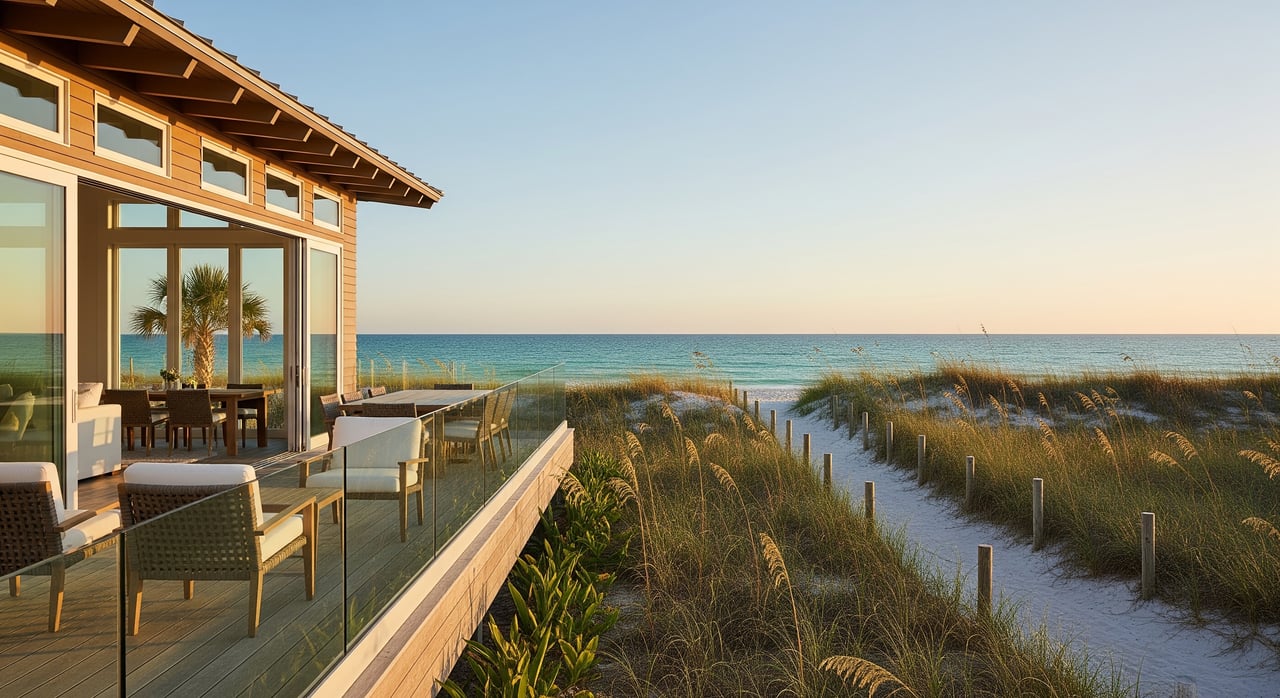
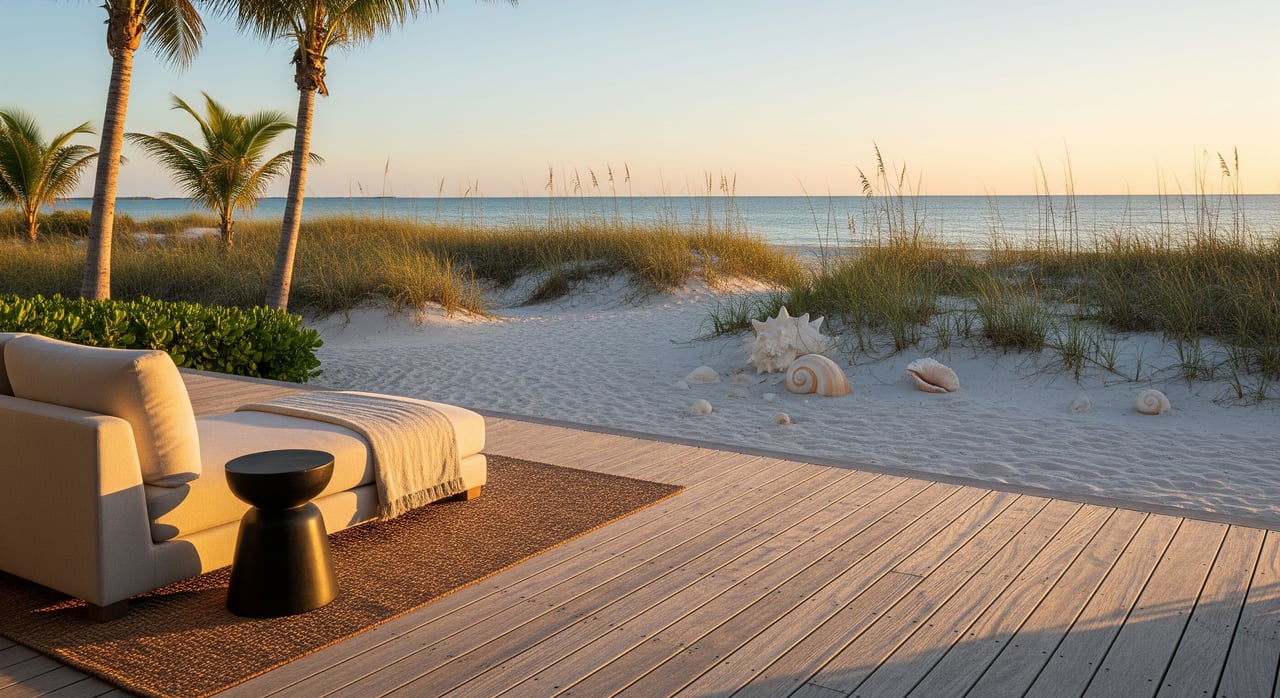
Fort Myers Beach sits on Estero Island, a compact barrier island with seven miles of beach that shape everyday life in a very visible way. This is a place where sugar-white sand, shelling, and sunset views are not occasional perks. They are part of the setting you move through every day.
The town has a relatively small year-round population, with a 2022 estimate of about 5,664 residents, but that number shifts significantly with seasonal visitors and part-time residents. In practice, that means the island can feel lively and social during peak months, then much calmer at other times of year. If you value variety in pace, that seasonal rhythm is a big part of the appeal.
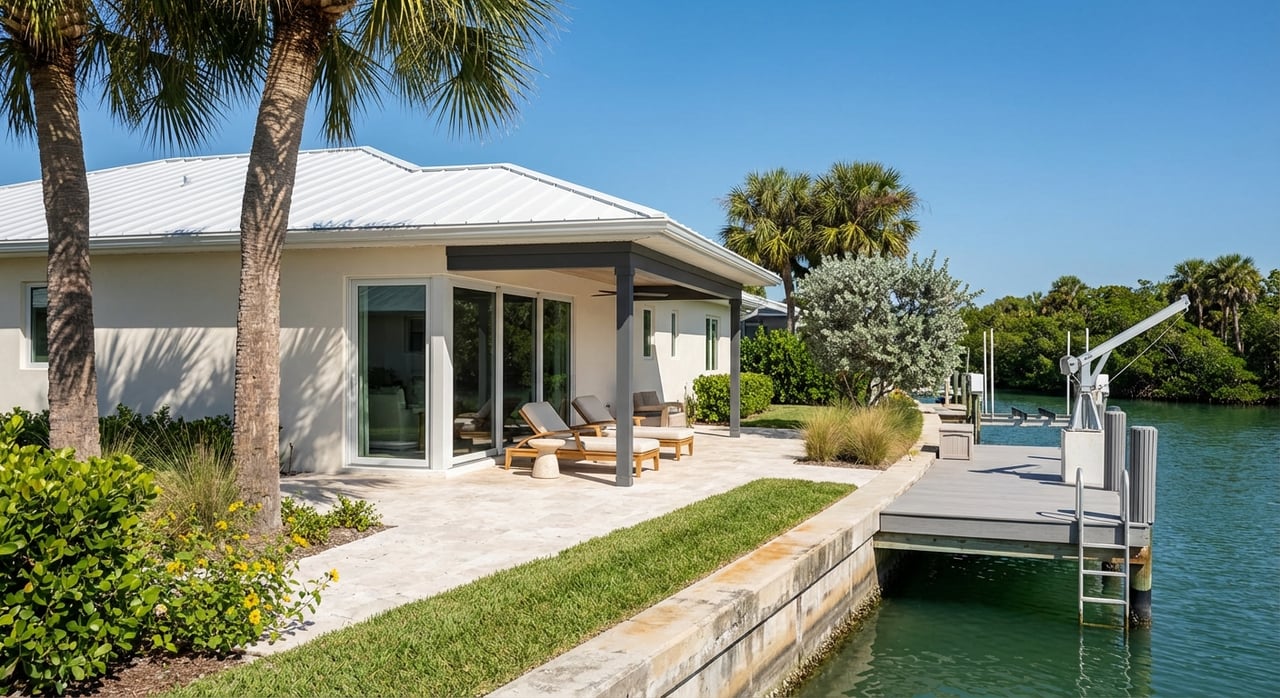
Daily life centers on the water
On Fort Myers Beach, the water is not just scenery. It shapes how you spend your mornings, afternoons, and evenings. Shelling, boating, kayaking, fishing, and simple beach walks all fit naturally into the daily routine.
One reason is access. Estero Island has 29 public beach accesses, and many include ADA access through ramps or mobi mats. That makes it easy to work the beach into your normal day, whether you want a sunrise walk, a quick evening stop for sunset, or a few quiet minutes by the water between errands.
Beach days can be simple here
In many coastal areas, a beach outing feels like a planned event. On Fort Myers Beach, it can be much more casual. You may head out for a short walk, collect a few shells, or meet friends near the sand without turning it into an all-day production.
That easy access changes the feel of day-to-day living. The beach becomes part of your routine rather than a destination you save for special occasions.
The island has both social and quiet sides
Fort Myers Beach is not one-note. The north end, especially near Times Square and Lynn Hall Memorial Park, brings more activity, restaurants, live music, and foot traffic. It is the more social side of the island and often the place people picture first.
Lynn Hall Memorial Park adds practical amenities like a pier, picnic areas, showers, restrooms, and beach frontage. That makes it a functional gathering point, not just a scenic backdrop.
At the other end of the experience, Bowditch Point Park offers a quieter setting with walking trails, bird watching, and calmer waters. This contrast is important because it shows how the island supports different lifestyles. You can choose a more active, walkable environment or look for a setting that feels more nature-oriented and low-key.
Fort Myers Beach still feels transitional
One of the most honest ways to describe Fort Myers Beach today is this: it is beautiful, active, and still recovering. The island does not currently present as a fully polished resort environment from end to end. Everyday life still includes visible rebuilding, temporary structures, and restoration work.
The town notes that many shops and restaurants in Times Square are operating from trailers following Hurricane Ian. Beach management updates also point to active dune repair and beach renourishment work in 2026, and some park amenities have not yet returned to pre-storm conditions.
For some buyers, that may feel like a drawback. For others, it is simply part of understanding the market clearly. If you are considering a purchase here, it helps to know that the lifestyle includes both the charm of an island beach town and the realities of an area still rebuilding.
Housing is condo-heavy and seasonal
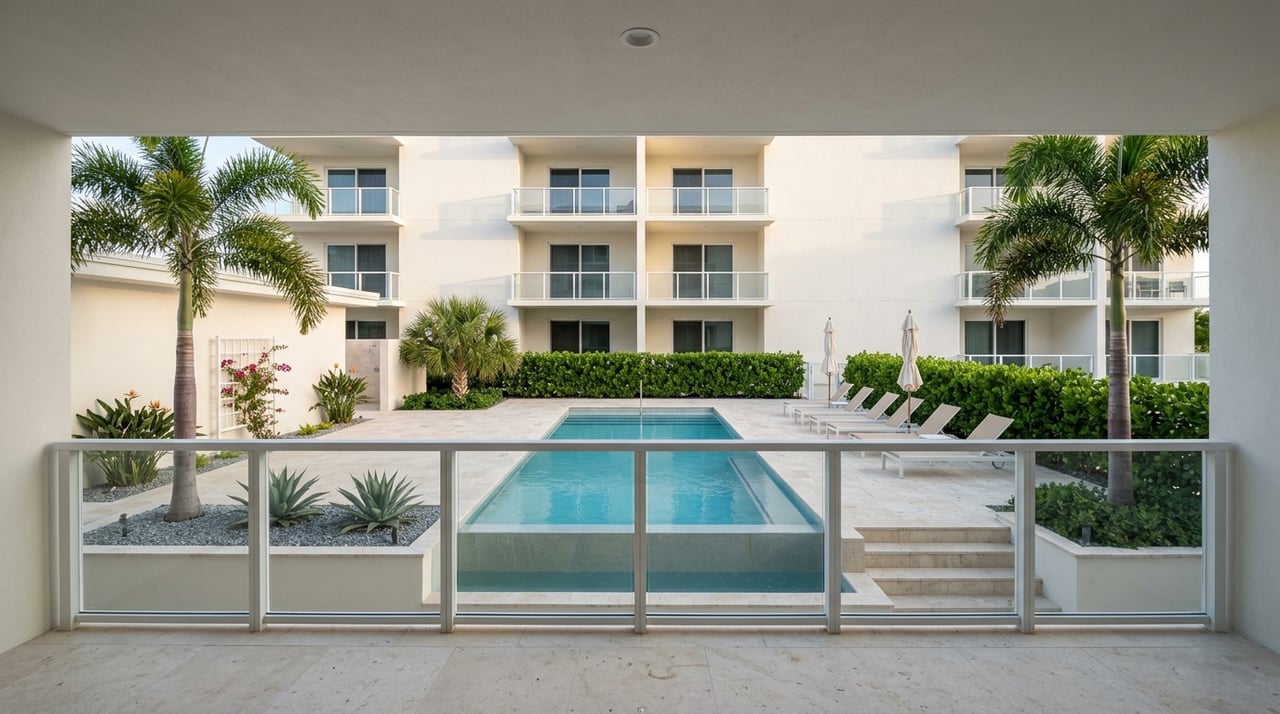
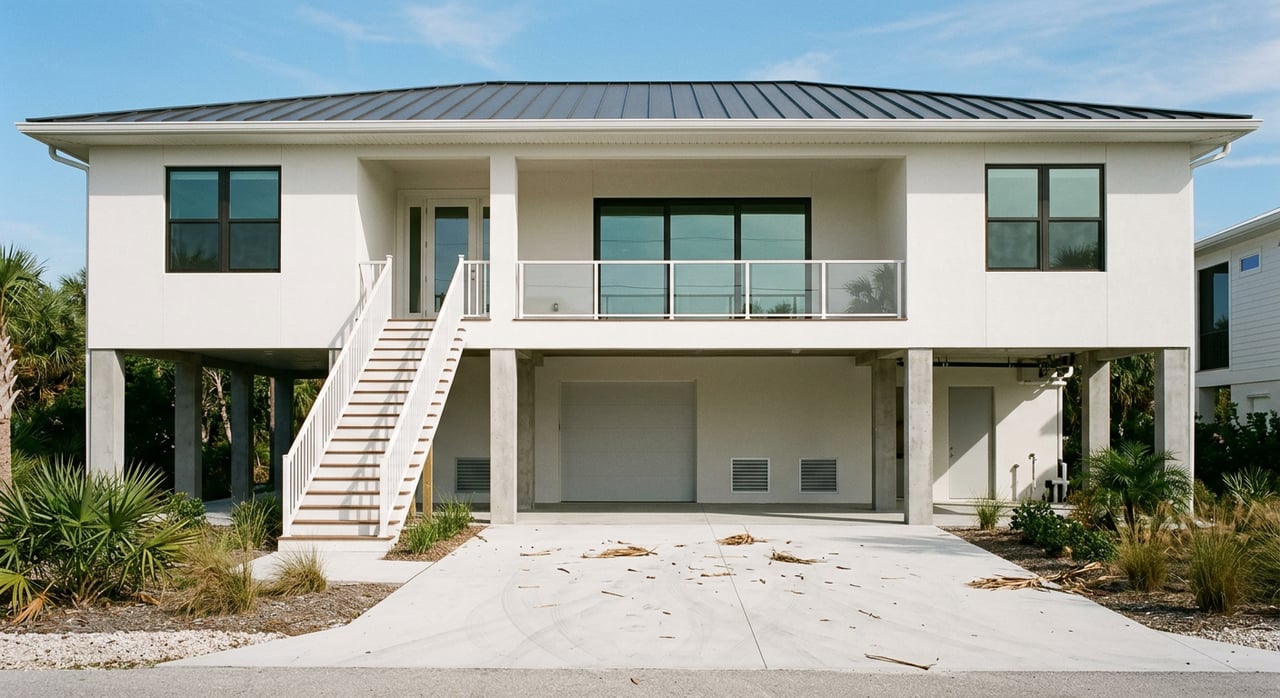
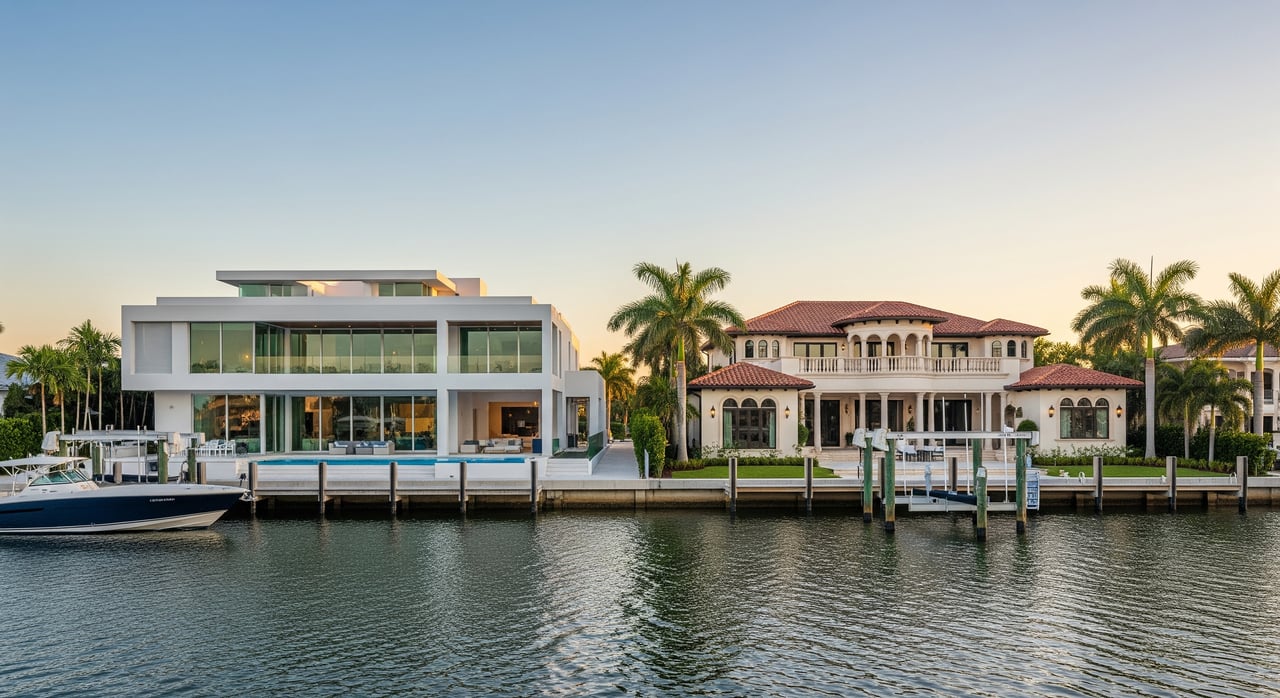
Fort Myers Beach does not follow the pattern of a typical mainland neighborhood. The housing stock leans heavily toward condos and larger multi-family buildings, especially at the north and south ends of Estero Boulevard. Single-family and two-family homes are more common in the central part of the island and on the bay side.
Town planning data shows that 55% of housing units were in structures with more than 20 units, while 27.3% were single-family detached homes. That mix has a direct effect on the way the island feels. If you are home shopping here, you are more likely to encounter condos and multi-unit communities than traditional subdivisions.
Second-home ownership shapes the atmosphere
Fort Myers Beach is also strongly seasonal in its housing profile. Town data shows that 50.5% of housing units were categorized as seasonal, recreational, or occasional use in the 2010 Census, and the town has noted that post-Ian housing figures remain difficult to measure precisely.
The practical takeaway is simple. This is not a conventional year-round suburb. It is an island market with a meaningful second-home and seasonal ownership presence, mixed with some full-time residential pockets.
That distinction matters if you are deciding between a primary residence and a part-time property. It also matters if you want a setting that stays active all year versus one that naturally shifts with the season.
Errands and dining happen in pockets
Fort Myers Beach has a clear commercial pattern. Businesses cluster in the downtown area near Times Square, then continue south along Estero Boulevard toward Town Hall and the library. There is also a second commercial area around Santini Plaza.
That means daily convenience exists, but it is concentrated rather than evenly spread across the island. You are not moving through a broad suburban grid with retail on every corner. Instead, errands, dining, and social stops tend to happen in a few well-defined pockets.
For many residents, that creates a more intentional routine. You may combine errands into one outing, then return to a quieter residential stretch of the island.
Walkability is real, but limited
A common question is whether Fort Myers Beach is truly walkable. The answer is yes, in the right places. The downtown core and areas near Times Square are easier to navigate on foot or by bike than many mainland communities.
At the same time, island geography shapes everything. Estero Boulevard is the island’s only thoroughfare, and town planning documents note the lack of side-street connectivity. That is why the island can feel compact while still requiring planning around traffic, parking, and travel off-island.
The best way to think about movement
The most accurate description is walkable in pockets, car-aware overall. You can often walk to the beach, bike around the downtown area, and enjoy short local trips without much hassle. But daily life still involves thinking about parking and timing, especially during busier months.
Town-managed parking in designated areas is paid, currently at $5 per hour, and resident or business permits are limited to properties on Estero Island. If you expect effortless parking everywhere, the island may feel more constrained than a mainland location.
The seasonal tram helps with island living
One of the more useful transportation features is the seasonal LeeTran Beach Tram. From November through April, it offers free trolley rides about every 35 minutes between the Fort Myers Beach Public Library and Bowditch Point Park, with stops along Estero Boulevard.
That service supports a more relaxed, car-light lifestyle during the busier part of the year. It is especially helpful if you want to spend time in the downtown core without constantly moving your car.
Bike racks along Old San Carlos Boulevard also reinforce how the core is designed for short trips once you are already on the island. In everyday terms, that means you can often park once, then move around on foot, by tram, or by bike.
Mainland access is simple, but not unlimited
Fort Myers Beach connects to the mainland through the Matanzas Pass Bridge at the north end. In normal conditions, that gives you a straightforward route on and off the island. Still, barrier-island living always comes with a little more dependence on infrastructure than mainland living does.
The town has issued bridge-closure advisories for events and maintenance, which is a useful reminder that access can occasionally be interrupted. Most of the time, the drive is simple. But if you live here full time or use the property often, you will want to factor bridge traffic and occasional disruptions into your expectations.
Community life goes beyond the beach
While the beach is the headline, daily life on Fort Myers Beach also includes a modest but meaningful civic and recreational structure. The town’s Culture, Parks & Recreation Department operates Bay Oaks, the Community Pool, Mound House, Newton Beach Park, and programs for youth and older adults.
That matters because it shows the island supports more than tourism. There is a real community framework serving both permanent and seasonal residents.
Mound House adds a quieter local layer
Mound House is a good example of the island’s year-round character. Its grounds and observation pier are open daily, and the museum is open Wednesday through Saturday. Fort Myers Beach residents also receive half-off admission.
For everyday life, places like this add depth. They give the island a history-and-nature dimension that balances the restaurant scene, beach traffic, and nightlife energy.
Evenings can be lively or low-key
Times Square remains the symbolic center of evening activity. It sits at the base of Matanzas Pass Bridge and includes beachfront retail, restaurants, pier access, and live music. Even with many businesses still operating from trailers, it continues to function as a social hub.
If you enjoy having casual dining, music, and people-watching within reach, this part of the island delivers that energy. If you prefer a quieter night, the island also offers calmer pockets where the biggest event may simply be a sunset walk.
That flexibility is one of Fort Myers Beach’s strengths. You can participate in the social side when you want it, then step back into a quieter daily rhythm when you do not.
The calendar stays active through the year
Life here is not only about spontaneous beach time. The event calendar includes recurring concerts, holiday gatherings, Fourth of July celebrations, the Illuminations Parade, and New Year’s Eve in Times Square.
For seasonal owners, that creates built-in energy during popular travel months. For year-round residents, it helps maintain a sense of community rhythm that extends beyond the shoreline.
What day-to-day life really feels like
Fort Myers Beach is best understood as a compact island town where the beach is woven into daily life, commercial activity clusters in a few central areas, and the pace shifts with the season. It offers true lifestyle appeal, especially if you value water access, walkable pockets, and a mix of social and quiet settings.
At the same time, it asks for some flexibility. Parking, bridge access, seasonal crowds, and visible rebuilding are all part of the lived experience right now. For the right buyer, those are manageable tradeoffs for a setting that feels distinct, scenic, and deeply tied to coastal living.
If you are weighing a condo, second home, or single-family opportunity on Fort Myers Beach, local insight matters. For tailored guidance on how specific properties align with your lifestyle goals, connect with Jodi Hanson.
FAQs
Is Fort Myers Beach walkable for daily living?
- Yes, especially near Times Square and the downtown core, but daily life still requires planning around parking, Estero Boulevard traffic, and trips to the mainland.
What types of homes are common on Fort Myers Beach?
- Condos and other multi-family properties are common, especially along the beach corridor, while single-family and two-family homes are found more often in parts of the central island and bay side.
Does Fort Myers Beach still show hurricane recovery?
- Yes. Rebuilding remains visible, with some businesses operating from temporary structures and ongoing dune and beach restoration work.
Is Fort Myers Beach mostly seasonal or year-round?
- It is both, but the island has a strong seasonal and second-home presence, which affects everything from atmosphere to activity levels during the year.
What is everyday transportation like on Fort Myers Beach?
- Many residents and visitors walk, bike, or use the seasonal free Beach Tram in key areas, but most off-island errands still require driving across Matanzas Pass Bridge.