Picture this: sunrise shelling on a quiet Gulf beach, a mid‑morning boat ride through calm back bays, and dinner with a sunset view. If you are considering Captiva Island, you are likely drawn to that rhythm. You also want the practical side, from ownership costs to island logistics. This guide gives you a clear, unvarnished look at daily life, housing options, seasonal patterns, and key due‑diligence steps so you can decide with confidence. Let’s dive in.
Island pace and daily rhythm
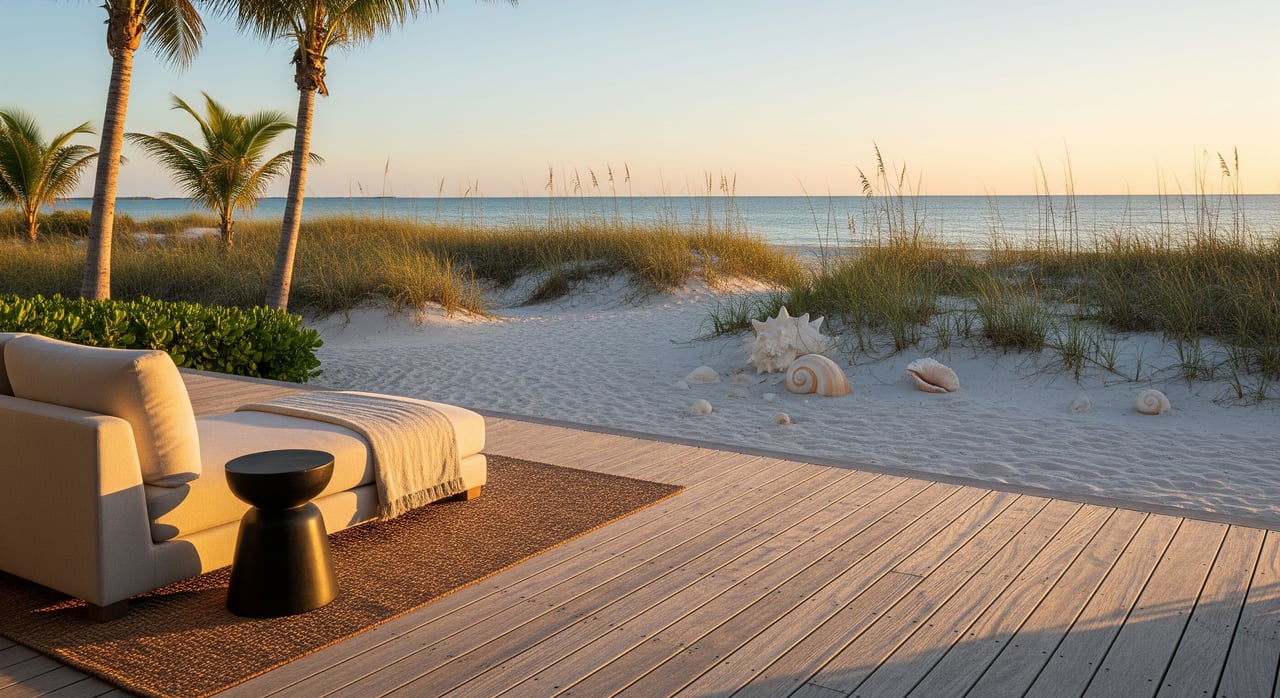
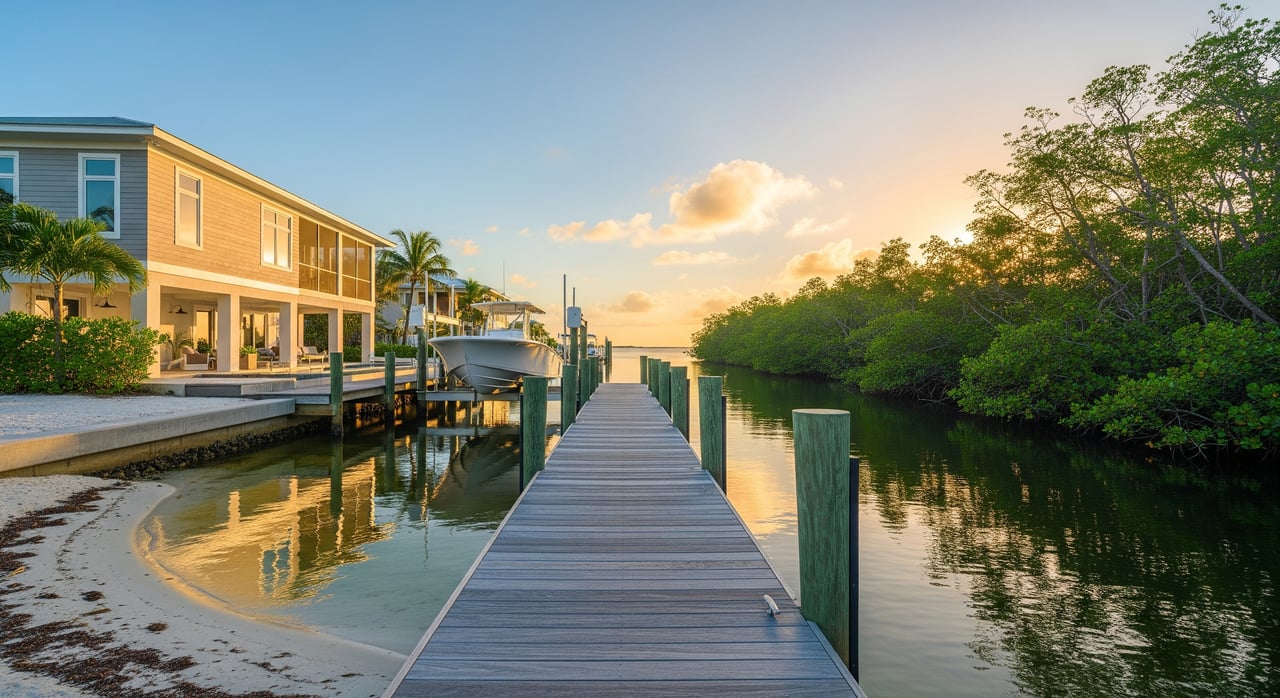
Captiva is a small barrier island with a relaxed, beach‑first lifestyle. Your days tend to revolve around the water: beach walks and shelling early, boating or fishing mid‑day, and sunset viewing in the evening. Recreation skews outdoors with wildlife viewing, kayaking, and time on the sand.
Commercial offerings are modest compared with the mainland. You will find restaurants, resort venues, boutiques, and basic services on the island, but many owners drive to Sanibel or Fort Myers for full‑service groceries, specialty medical care, and larger retail. Community life blends long‑time residents, seasonal owners, resort guests, and service staff, with social ties often forming through marinas, volunteer groups, and conservation efforts.
Seasons on Captiva
High season typically runs from November through April. Expect busier beaches, fuller restaurants, and more visitors in town. Summer and early fall feel quieter, with easier parking and shorter waits.
Crowd levels and traffic ebb and flow with the snowbird pattern. Weekdays outside of holidays are calmer, while peak weeks can bring heavier bridge and causeway traffic. Seasonal wildlife protections also shape routines, especially during sea turtle nesting season when lighting rules affect beachfront homes at night.
Home styles and how they live
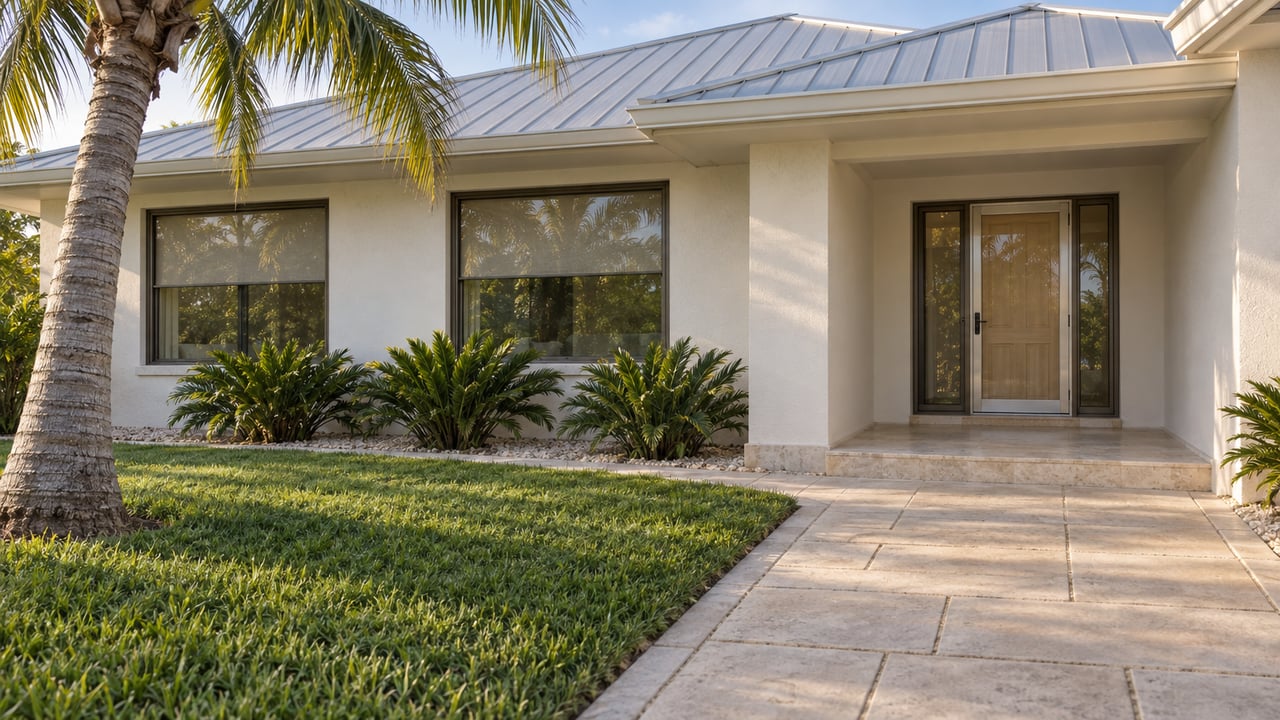
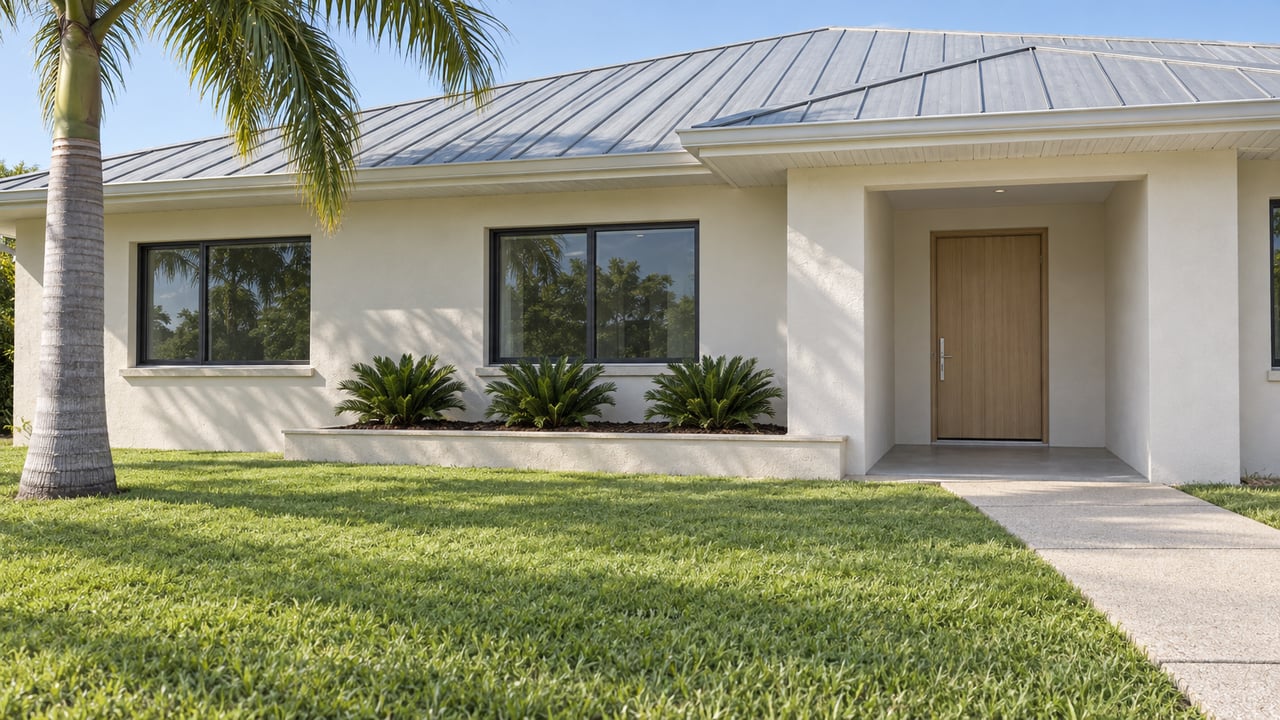
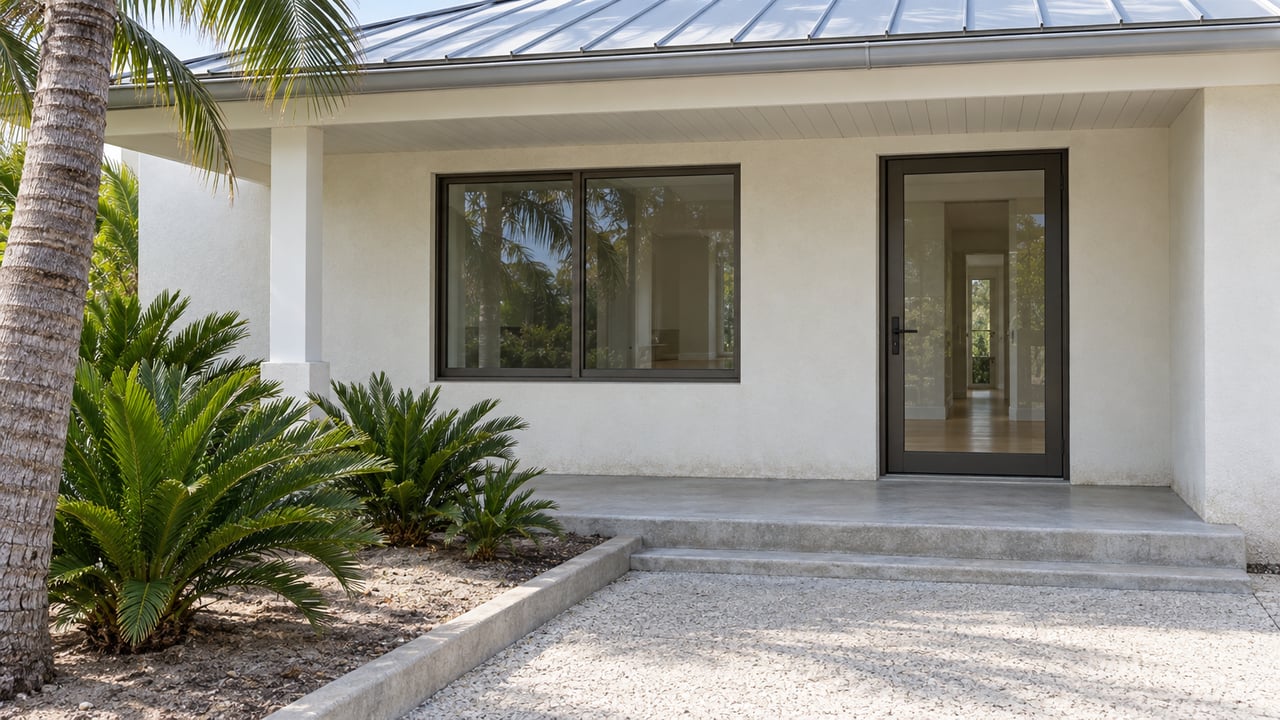
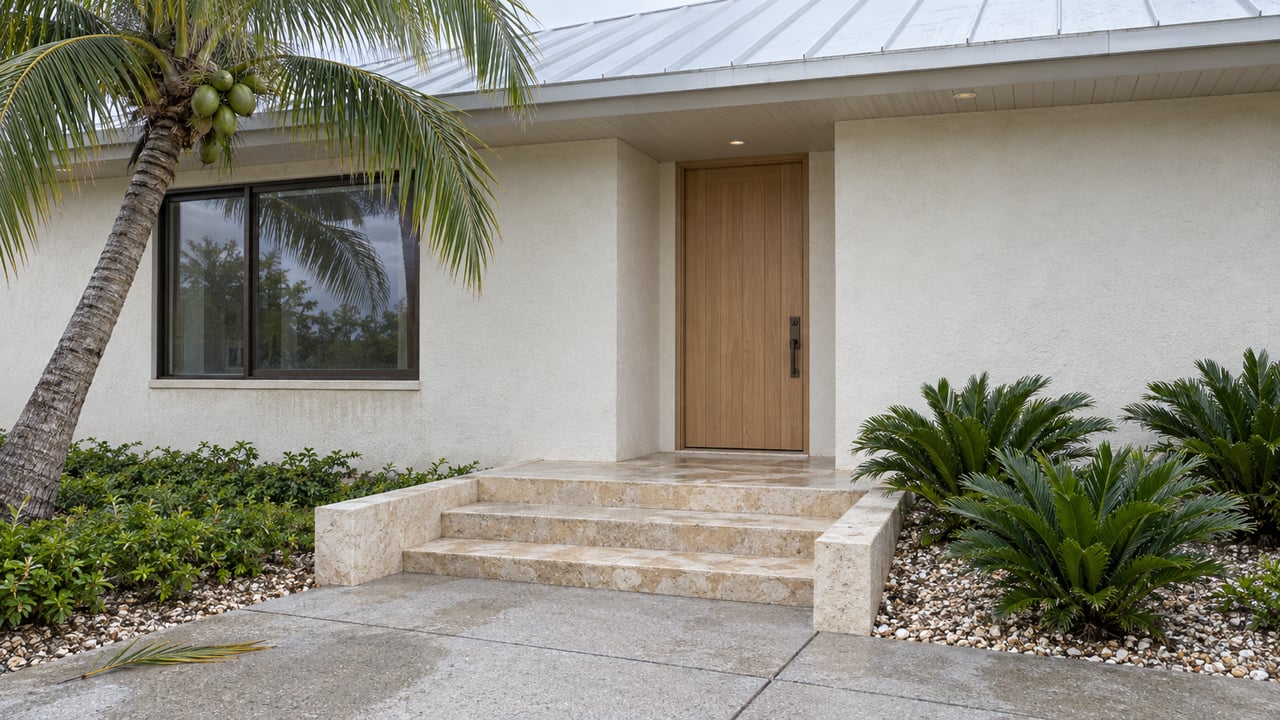
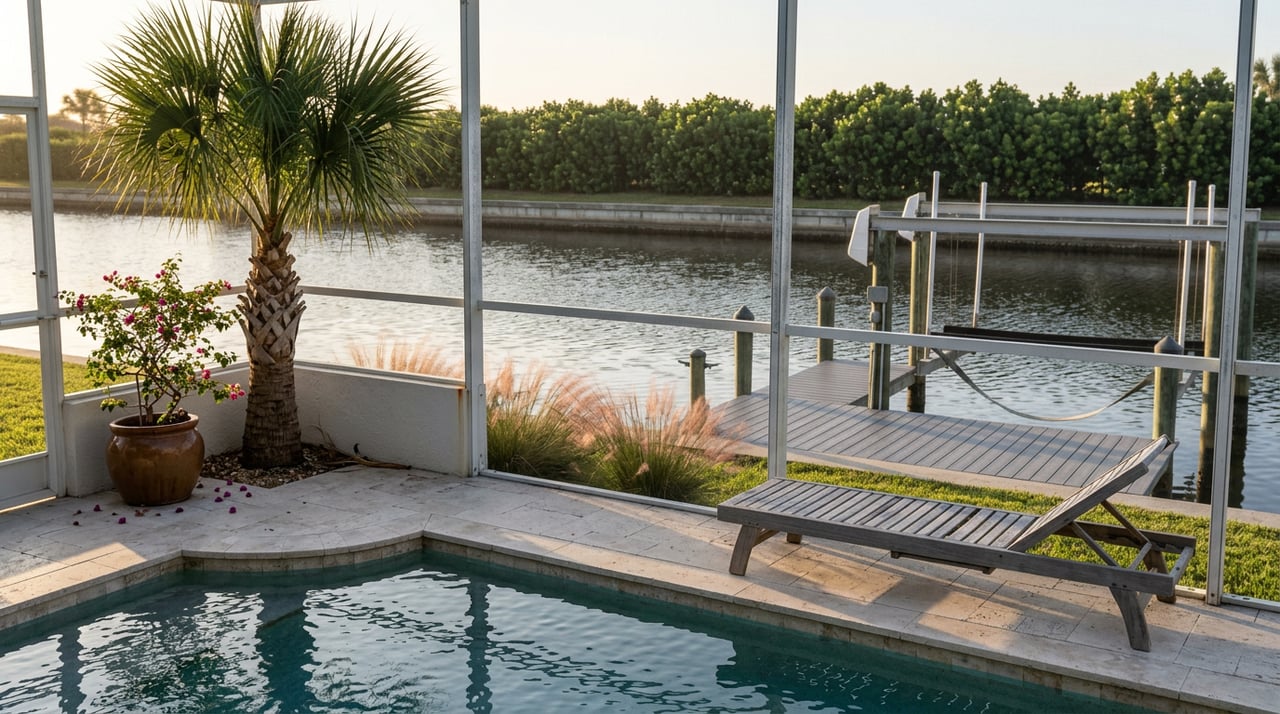
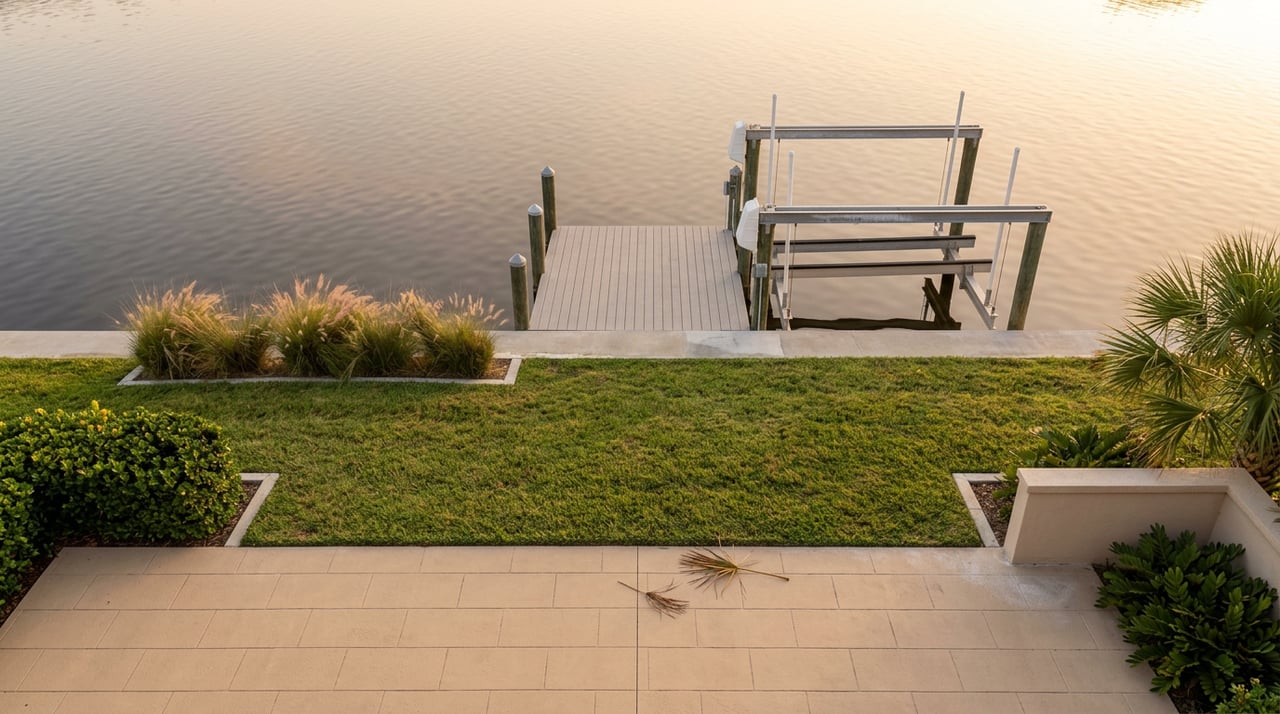
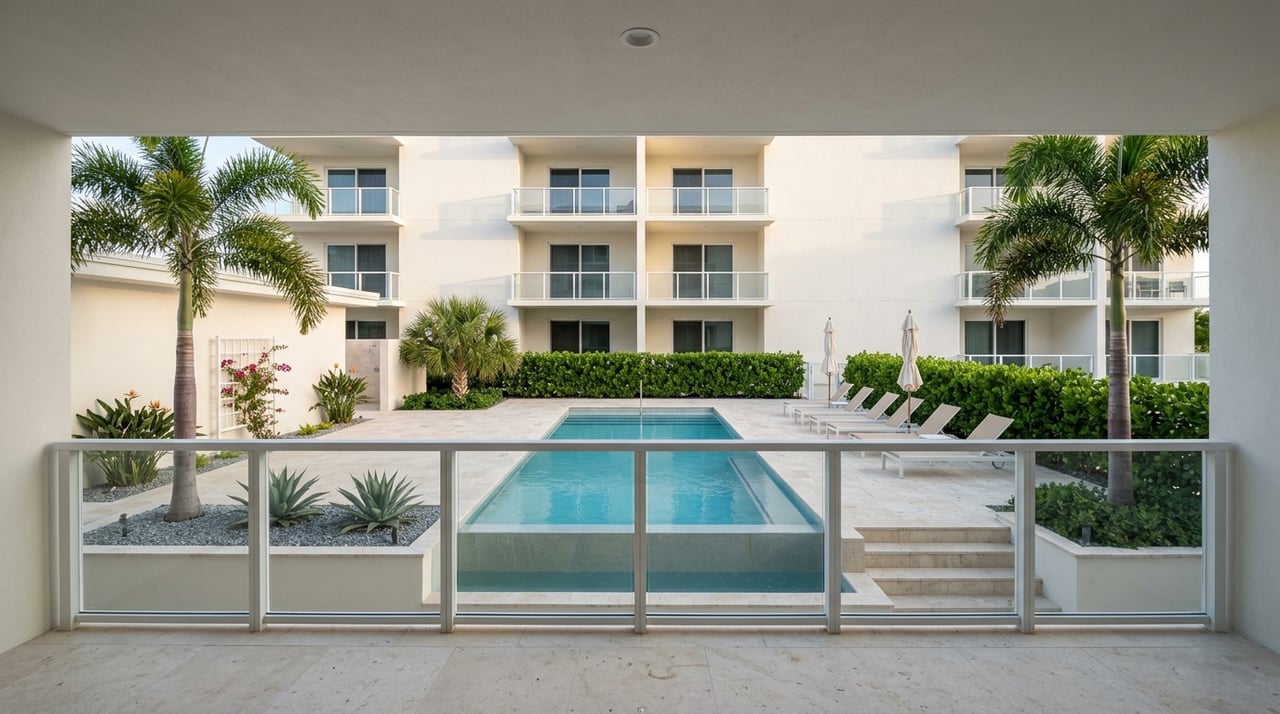
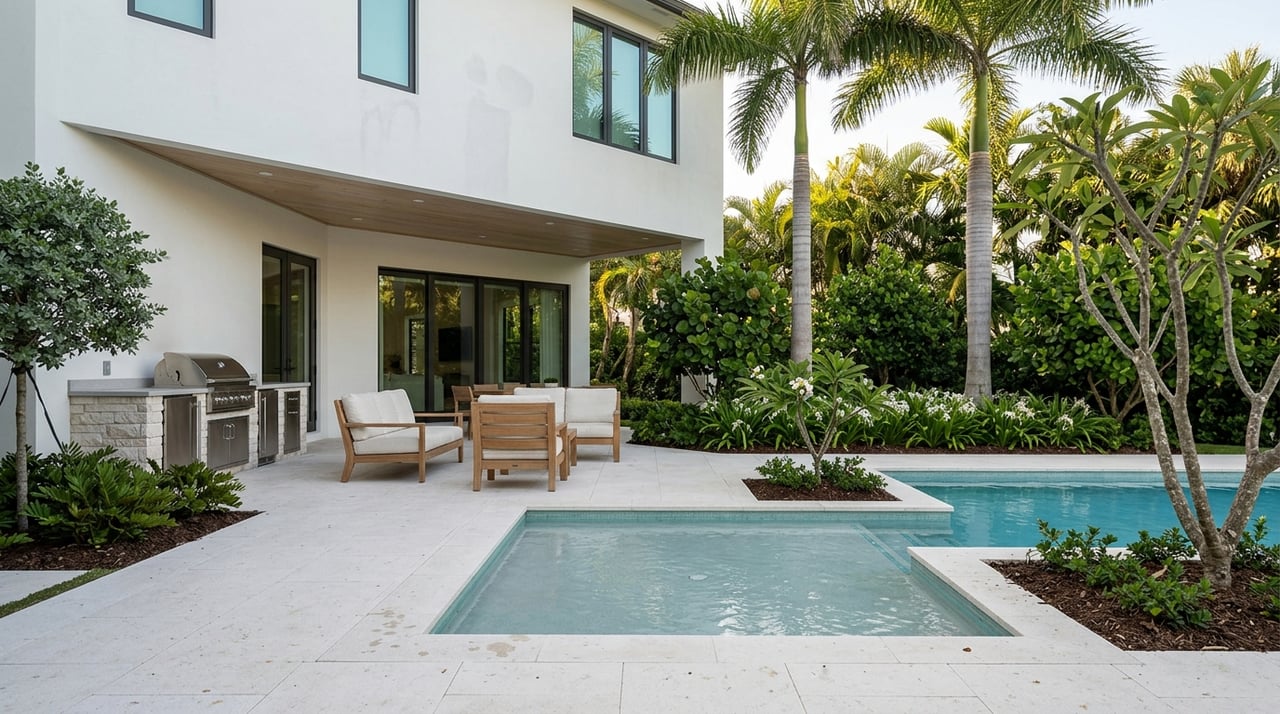
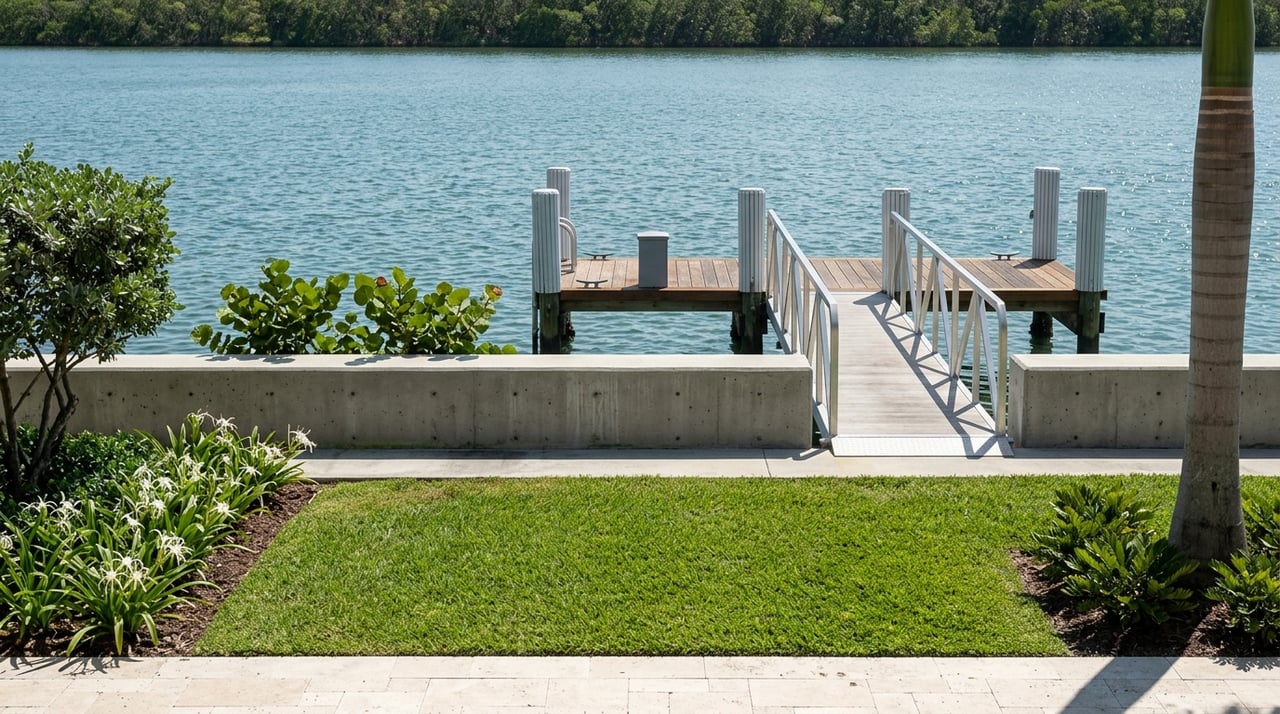
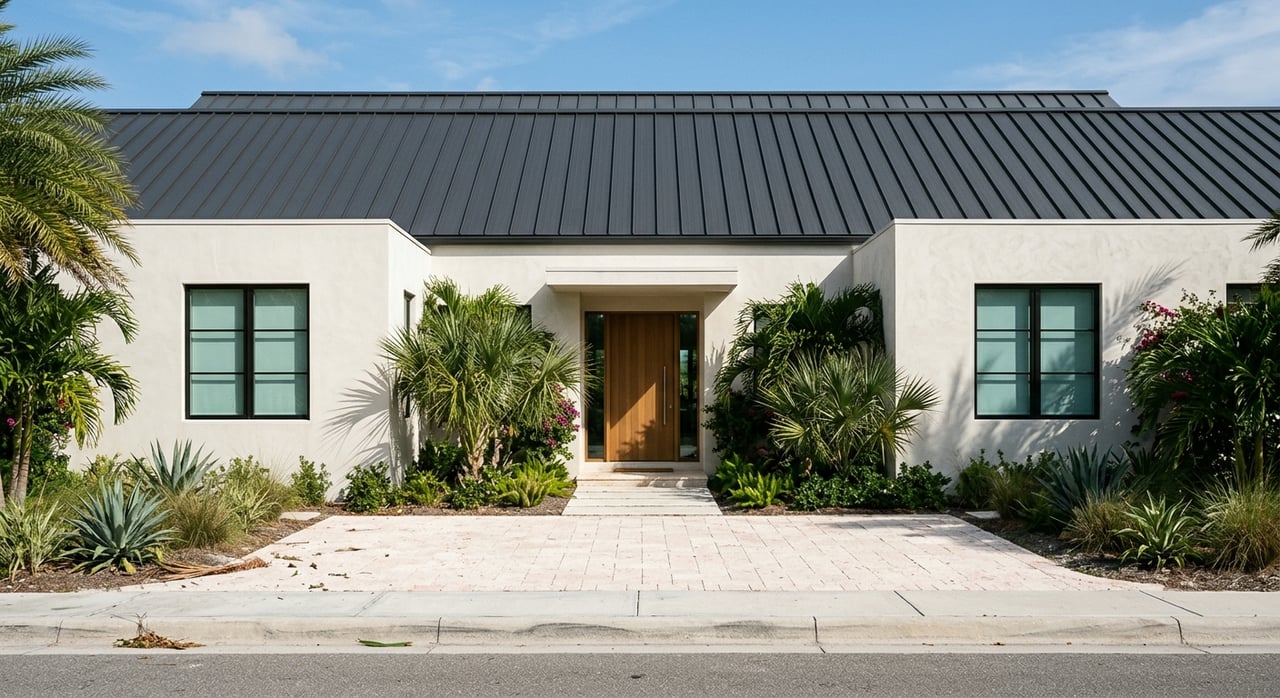
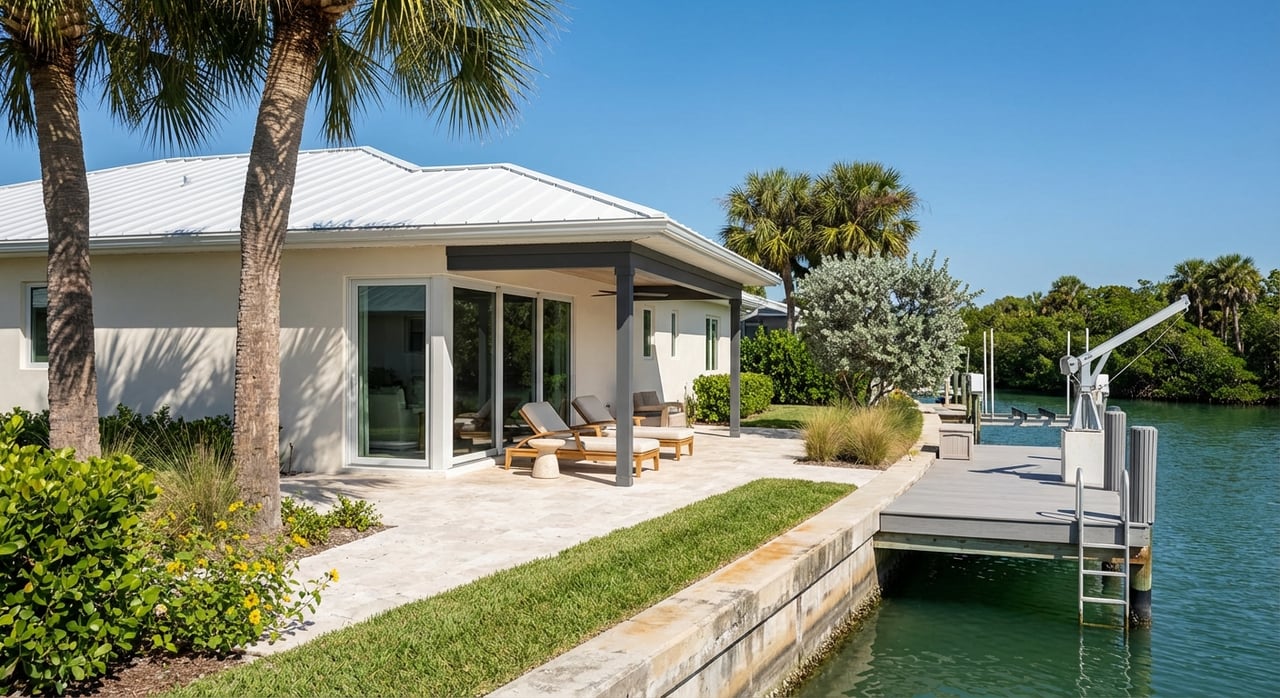
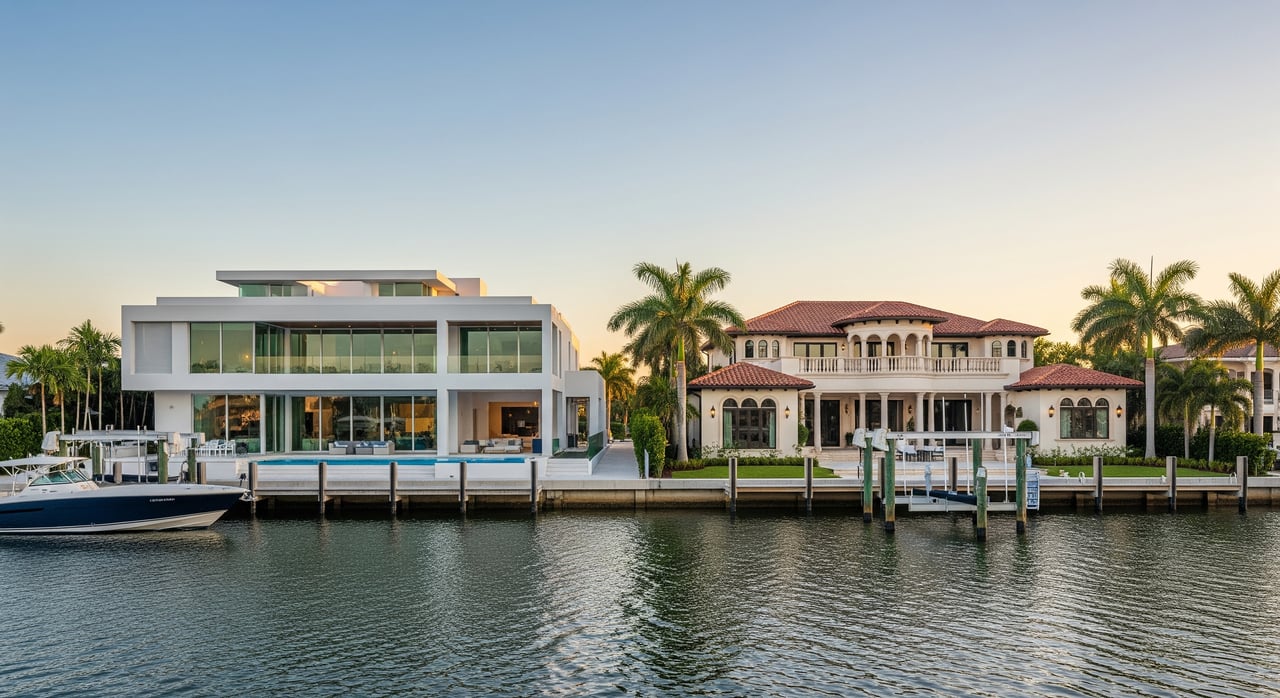
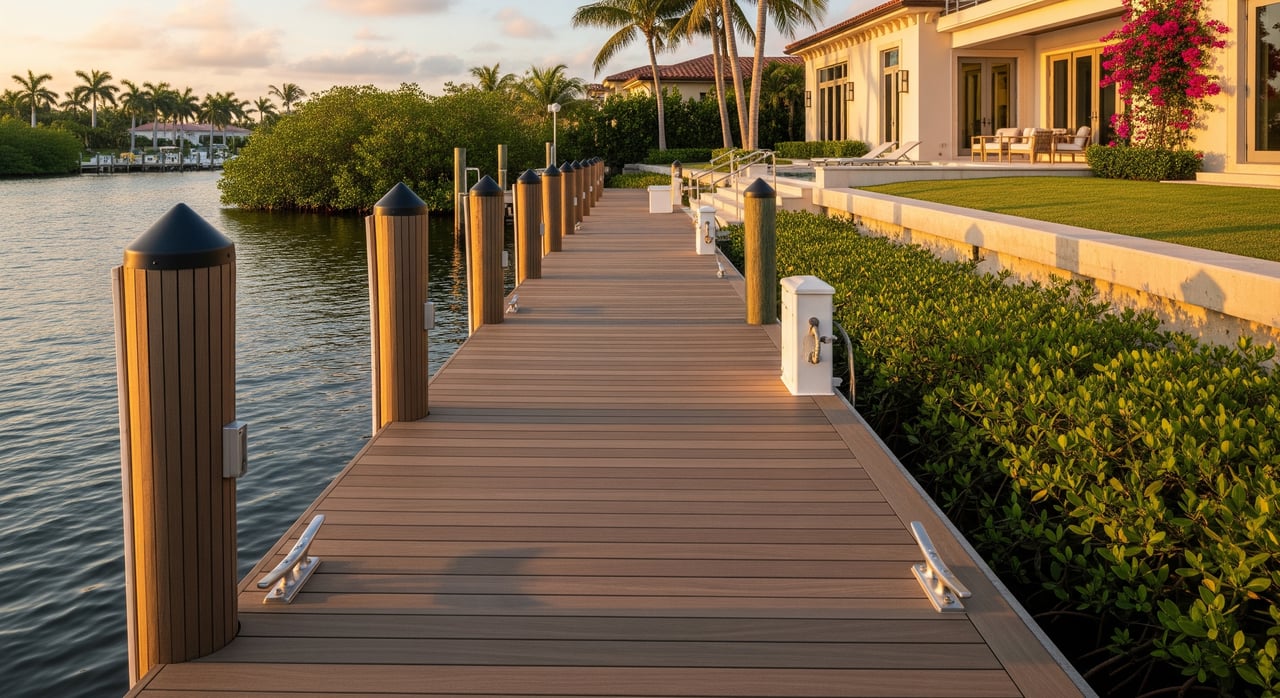
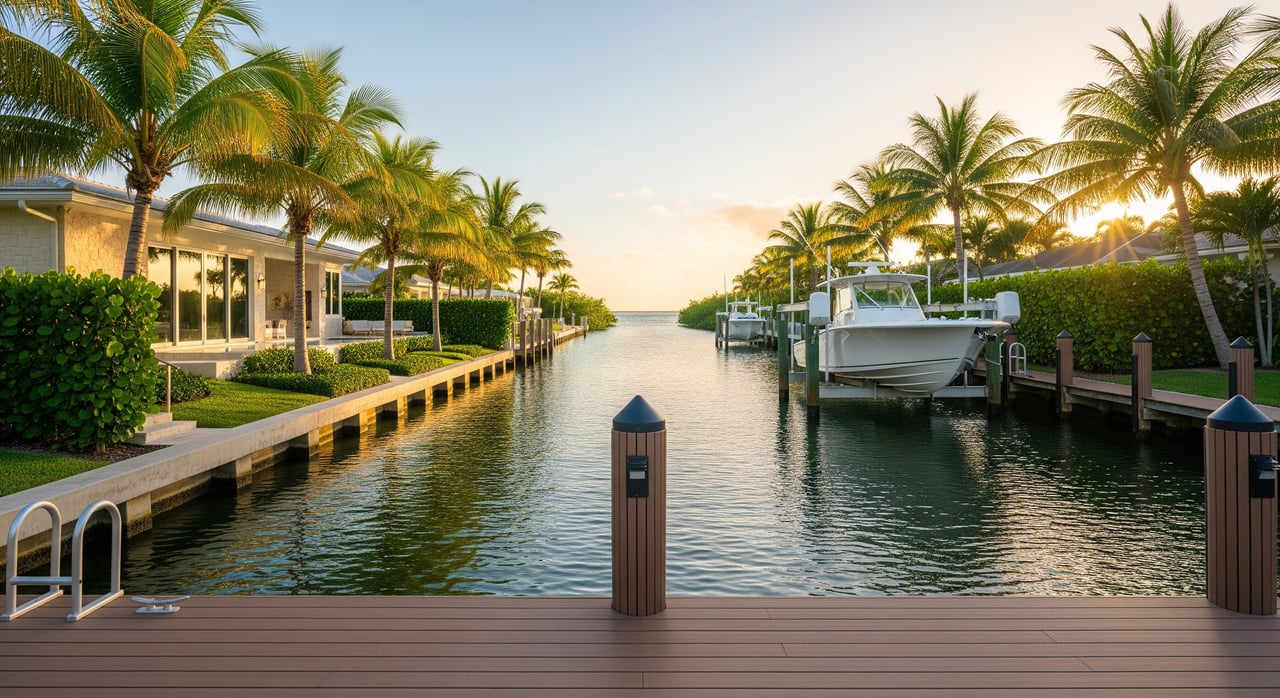
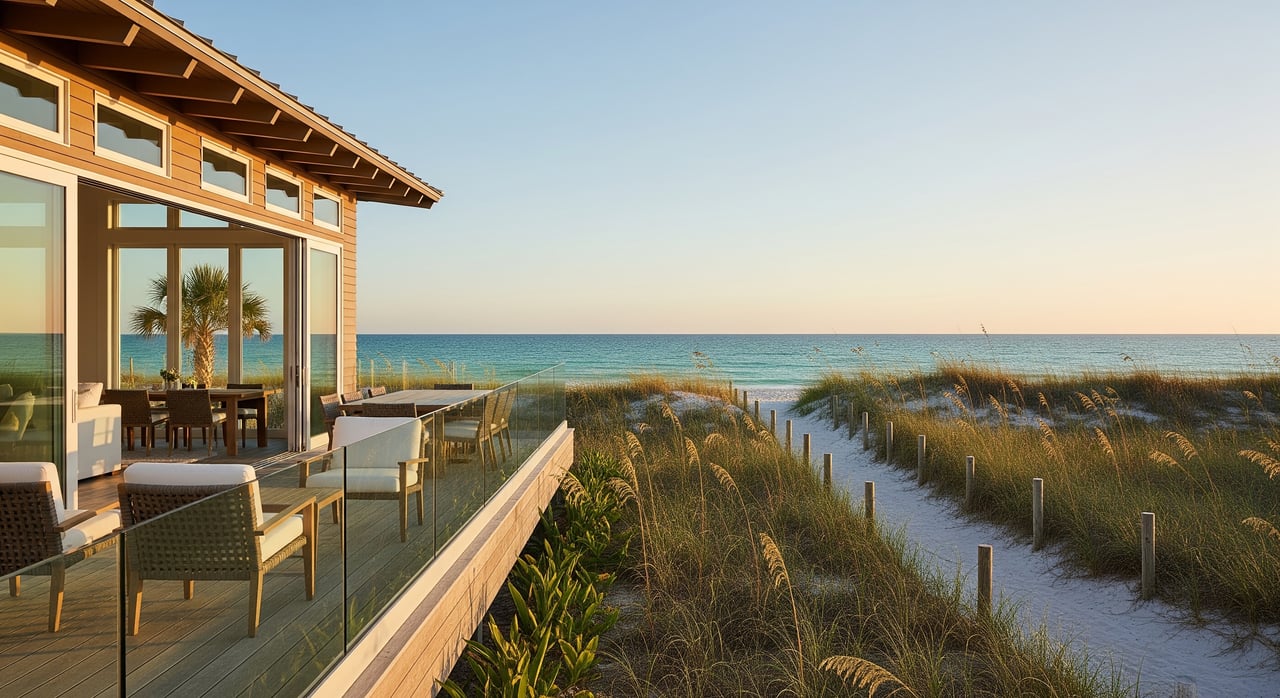
You will see a mix of high‑value Gulf‑front homes, bay‑side and interior single‑family properties, and condominiums with shared amenities. Gulf‑front estates command premium prices and offer dune access and sweeping views. Bay‑side and canal‑area homes often prioritize dockage and boating access.
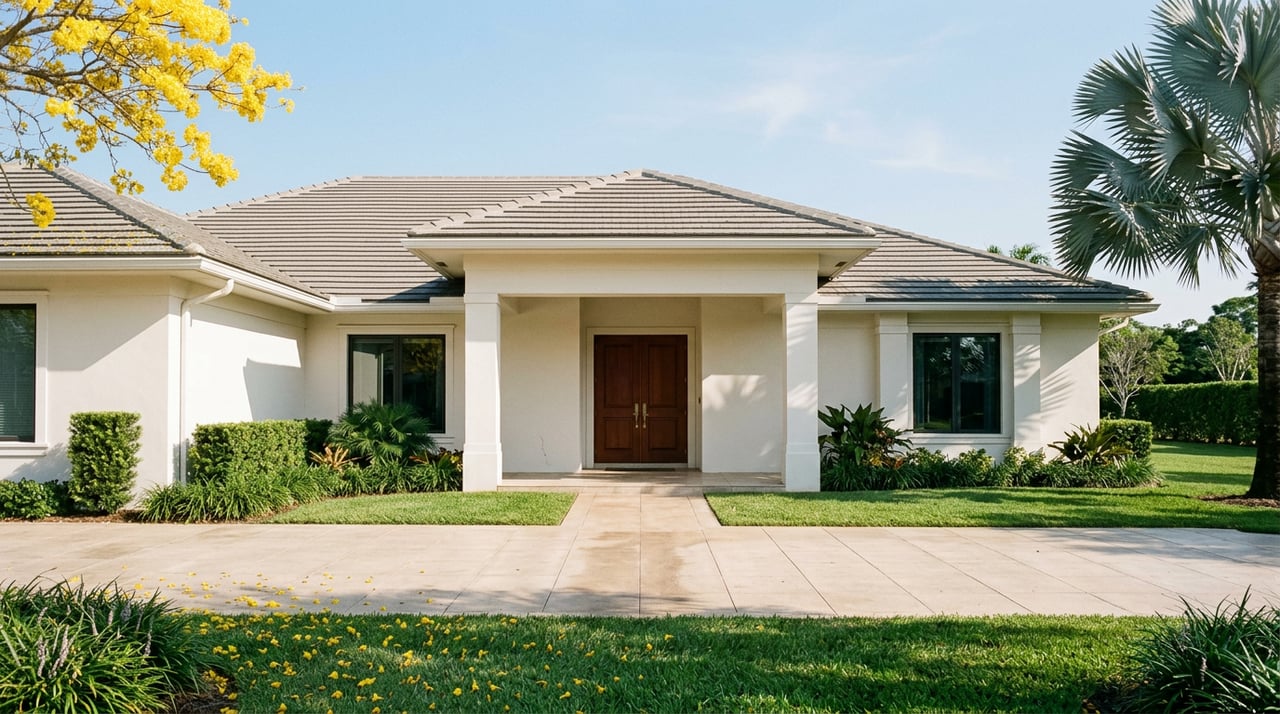
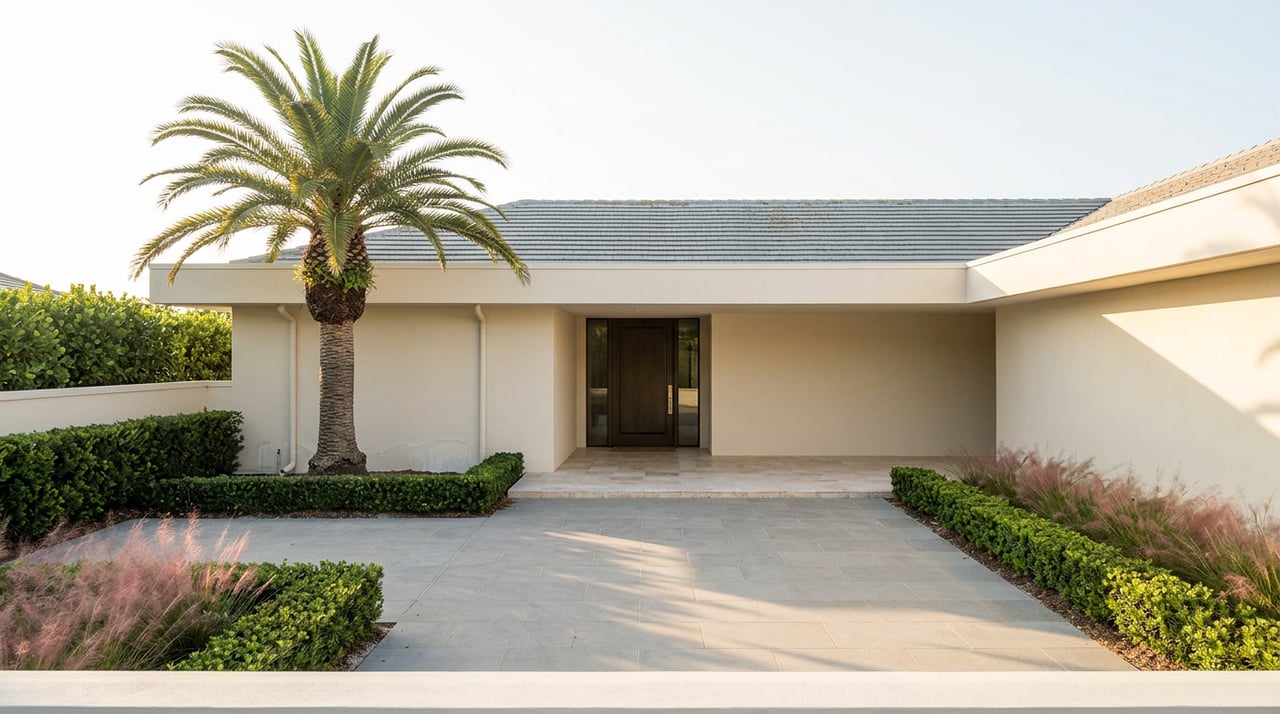
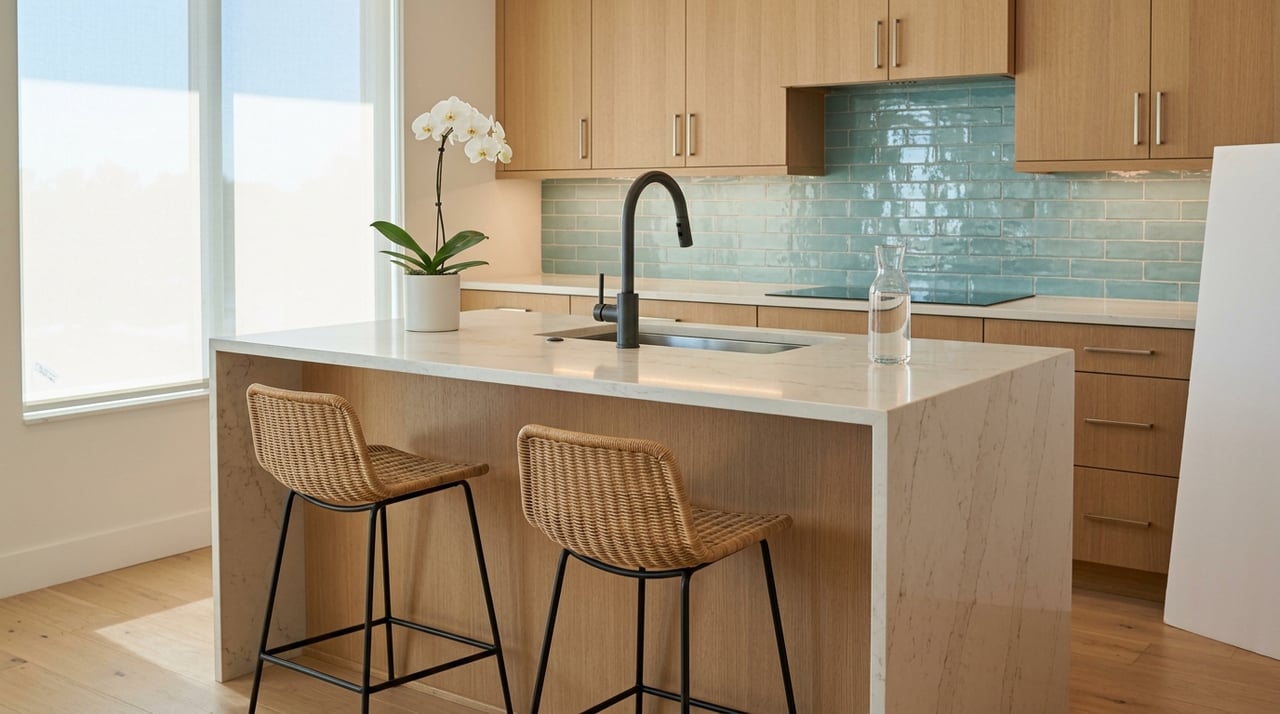
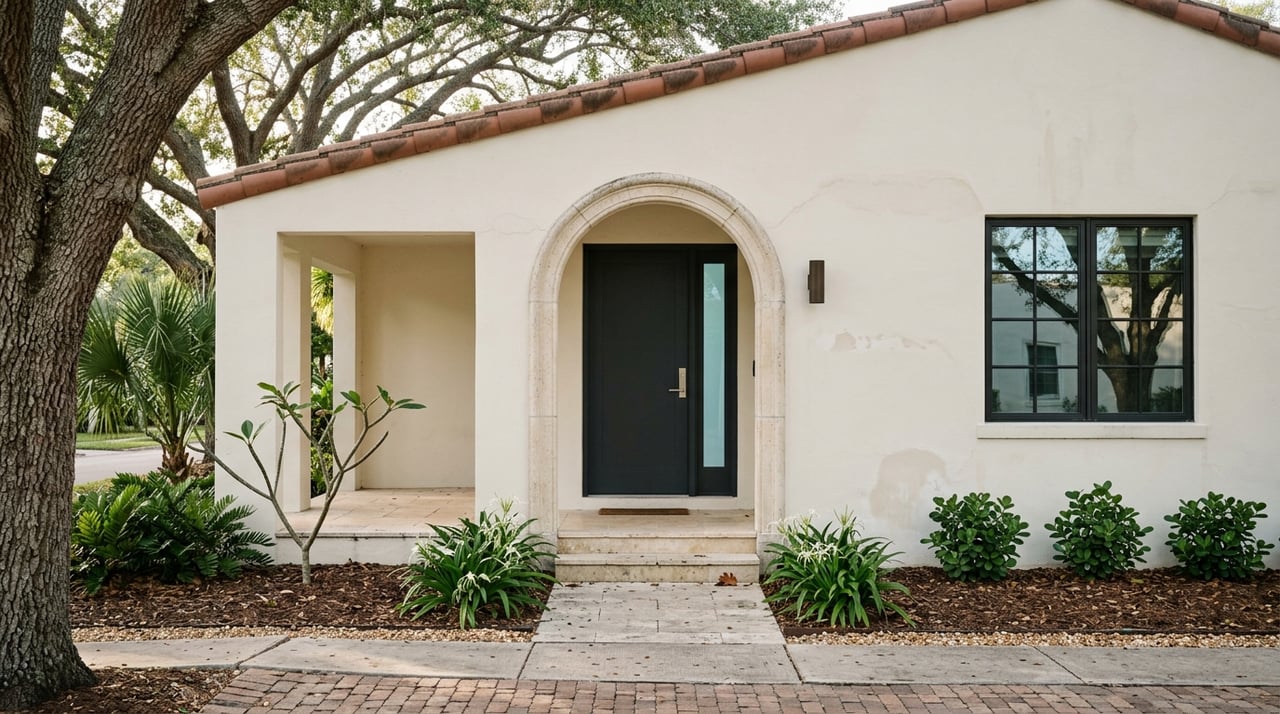
Condos and resort residences deliver more turnkey ownership with HOA structures and shared maintenance. Historic cottages and renovated properties add character, and many homes have been rebuilt or upgraded after major storms. Captiva sits in one of Lee County’s higher‑priced submarkets, with many listings in the luxury tier and gulf‑front homes often reaching multi‑million price points.
Ownership costs to plan for
Owning on a barrier island brings special budgeting considerations. Expect a different cost profile than mainland neighborhoods.
- Property taxes: Collected by Lee County. Homestead exemptions apply only to primary residences. Second homes typically pay non‑homestead rates.
- Insurance: Plan for windstorm or hurricane coverage and flood insurance if in a FEMA flood zone, especially if you have a mortgage. Premiums and deductibles can rise after large storms.
- Utilities and systems: Electric and internet availability varies by address. Some areas have central sewer while others use septic. Budget for septic upkeep if applicable.
- HOA or condo fees: Common for condos and resort‑style communities. Fees may be higher to fund reserves, shared insurance, and coastal maintenance.
- Maintenance: Salt air and sun accelerate wear. Roofs, exterior paint, metal fixtures, HVAC, seawalls, dune walkovers, and drainage may need more frequent attention.
Bottom line: island ownership is rewarding, but it requires a realistic plan for insurance, reserves, and routine upkeep.
Access and everyday logistics
You will reach Captiva by driving the Sanibel Causeway from the mainland to Sanibel, then crossing the small bridge at Blind Pass to Captiva. During peak season or after storms, plan extra time for traffic. There is no island airport. The nearest commercial flights are through Southwest Florida International Airport in Fort Myers.
Internet and cable options differ by parcel, so confirm provider coverage during due diligence. Trash and mail run on island schedules, and bulk pick‑ups may follow specific rules. Full hospitals and many medical specialists are on the mainland, and emergency medical transport typically uses the causeway when needed. Captiva is within the Lee County School District; families generally travel to Sanibel or the mainland for K–12 schools.
Environment and rules you need to know
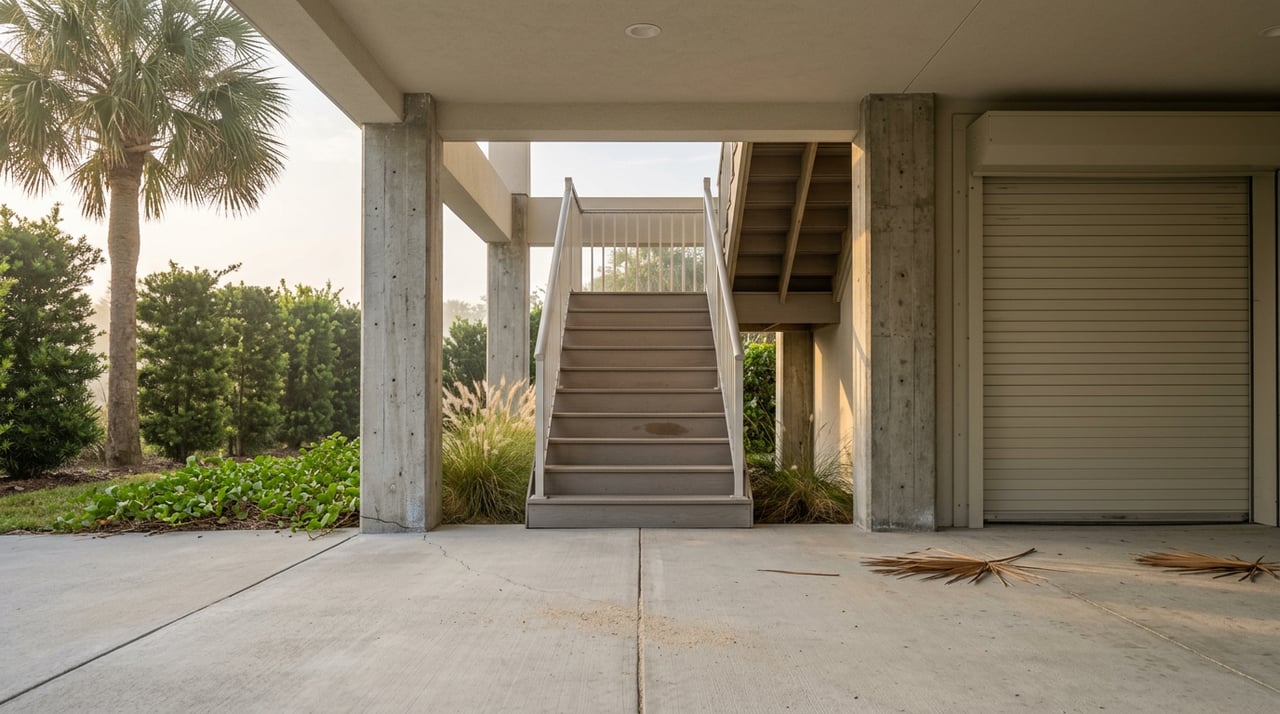
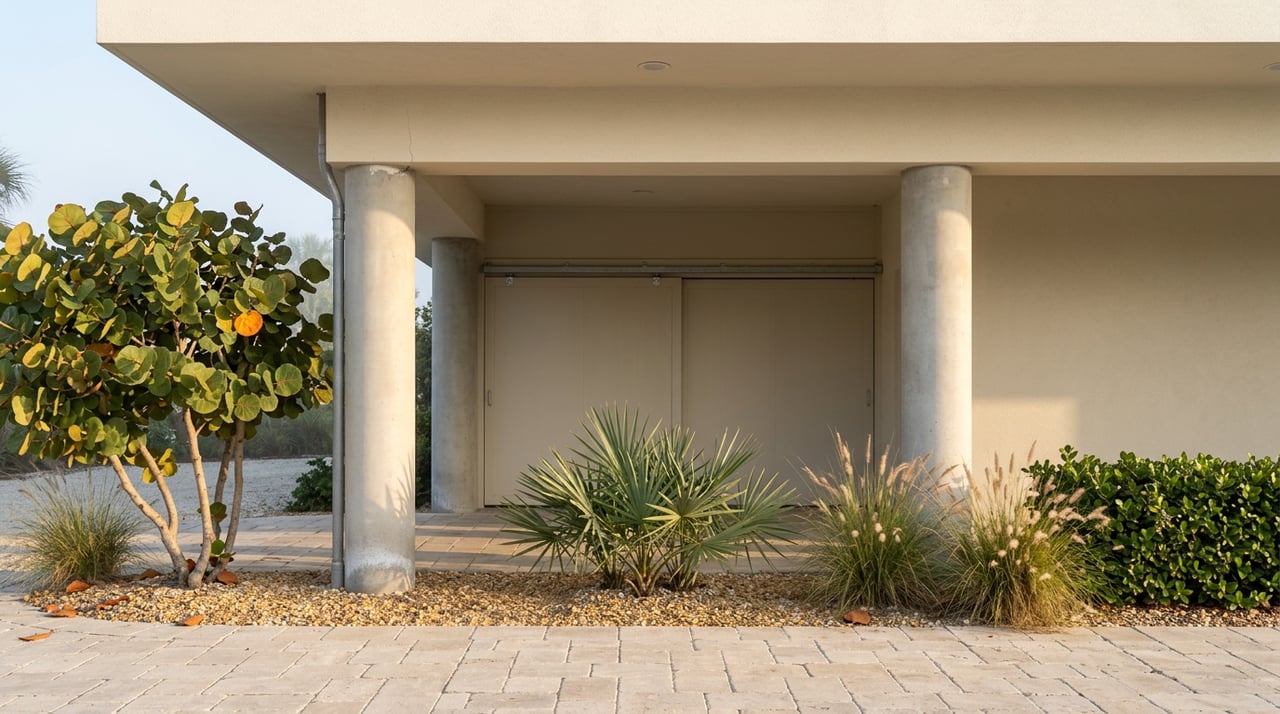
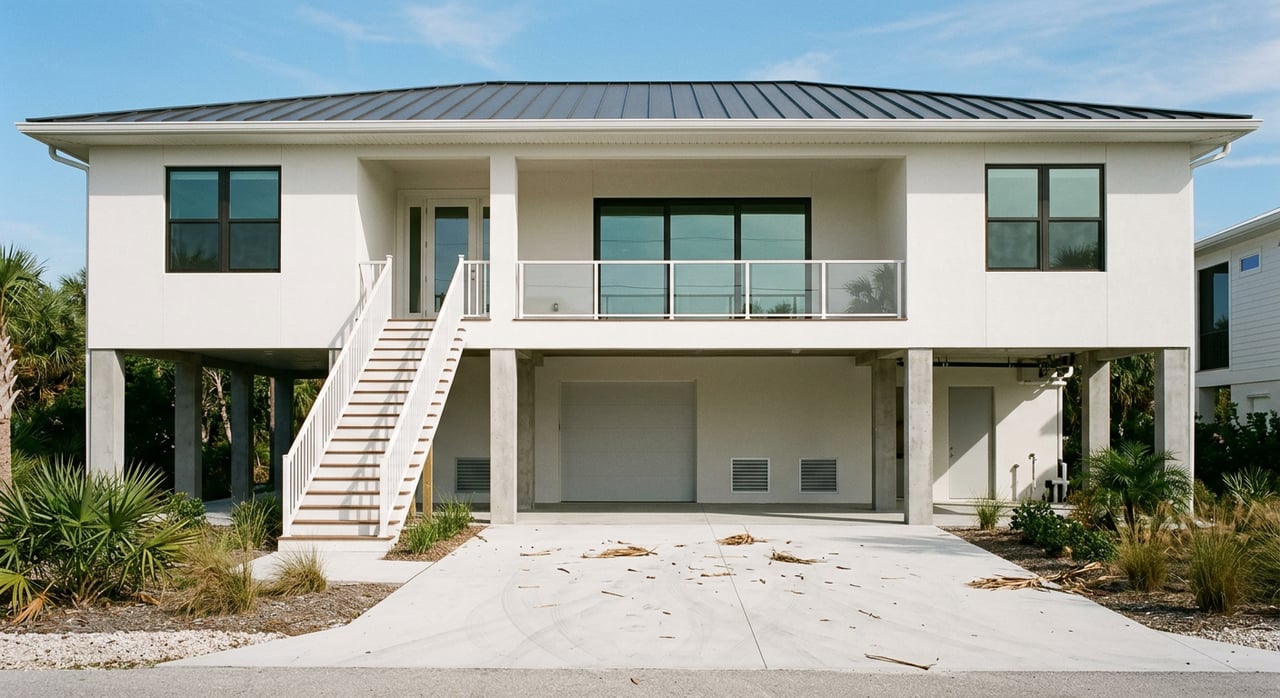
Captiva is exposed to tropical storms, hurricane winds, and storm surge. Hurricane Ian in September 2022 caused significant regional damage, influencing insurance markets, rebuilding timelines, and infrastructure planning. Evaluate the elevation and mitigation features of any home you consider, including foundation type, flood vents, and wind‑resistant construction.
Many parcels lie in moderate to high flood risk zones on FEMA maps. Flood insurance costs depend on zone and elevation. Beach renourishment and dune restoration occur periodically, and shoreline work is regulated. Coastal construction near the beach is subject to the Florida Coastal Construction Control Line program and county permitting.
Wildlife protections matter day to day. Sea turtle nesting season, commonly May through October, brings lighting and beach‑use rules that affect exterior fixtures and evening activities. Mangroves and sensitive habitats are also protected. During major storms, barrier islands observe evacuation procedures, and timing your departure ahead of surge and traffic is essential.
Is Captiva a fit for you?
Captiva tends to suit buyers who value nature, boating, and a quiet, outdoor lifestyle more than urban convenience. Second‑home owners and investors often appreciate the seasonal rhythm and vacation‑friendly setting, subject to local rental rules and HOA policies. Retirees and relocation buyers who want a slower pace and are comfortable with coastal maintenance usually find a strong match.
If you prefer walkable access to big‑box retail, major medical centers, or a wide range of schools, the island’s limited services may feel restrictive. The right fit comes down to your priorities and your comfort with hurricane planning, insurance, and coastal upkeep.
Buyer due‑diligence checklist
Use this list to focus your search and avoid surprises.
- Access and timing: Test drive the causeway route during peak and off‑peak times to gauge travel and evacuation considerations.
- Utilities: Confirm water and sewer type, schedule septic inspections if applicable, and verify electric capacity and internet options at the specific address.
- Flood risk: Check FEMA flood zone designation and obtain sample flood insurance quotes from NFIP and private providers. Ask for the elevation certificate if available.
- Storm history: Review permits and documentation for any post‑storm repairs or upgrades. Request contractor warranties and dates of work.
- Shoreline and site: Ask about seawall or dune condition, erosion history, and any beach renourishment in the area. Order a current survey.
- HOA or condo docs: Review rental rules, insurance requirements, reserve studies, and any current or planned assessments.
- Taxes: Confirm estimates with the Lee County Property Appraiser, and understand that exemptions apply only to primary residences.
- Rentals and taxes: Verify county transient rental rules and tourist development tax obligations if you plan to rent.
- Schools and medical: If you plan year‑round living, map out school assignments and travel times to preferred healthcare providers.
- Market context: Request recent comparable sales and days on market specific to Captiva’s micromarket.
Next steps
Captiva Island offers a rare blend of serenity, shorelines, and boating access. The tradeoff is practical: higher insurance and maintenance, seasonal rhythms, and careful attention to flood and coastal rules. With the right preparation, you can enjoy the island’s beauty while protecting your investment.
If you want curated options, from gulf‑front estates to turnkey condos, and guidance on insurance, renovation potential, and off‑market access, connect with Jodi Hanson. You will get boutique, design‑minded representation backed by a global platform and investor‑level insight.
FAQs
Is Captiva Island a year‑round community for homeowners?
- Yes. A small resident base lives year‑round, and the population grows in winter, so services and crowd levels vary by season.
How risky are hurricanes and flooding on Captiva Island?
- Captiva is exposed to hurricane winds and storm surge. Flood risk is real, so plan for mitigation features and proper wind and flood insurance.
Can you rent out a Captiva Island home short term?
- Many owners do, but county rules, HOA or condo policies, and tax obligations apply. Verify all requirements before you purchase.
What schools and hospitals serve Captiva Island residents?
- There are few or no K–12 schools on Captiva. Families and patients typically travel to Sanibel or the Fort Myers mainland for schools and hospital care.
What ownership costs are higher on Captiva Island?
- Insurance, exterior maintenance, and some HOA or condo fees can be higher due to coastal exposure and shared reserves.
How do you reach Captiva Island and the airport?
- You drive the Sanibel Causeway to Sanibel, then cross to Captiva at Blind Pass. The nearest commercial airport is in Fort Myers.