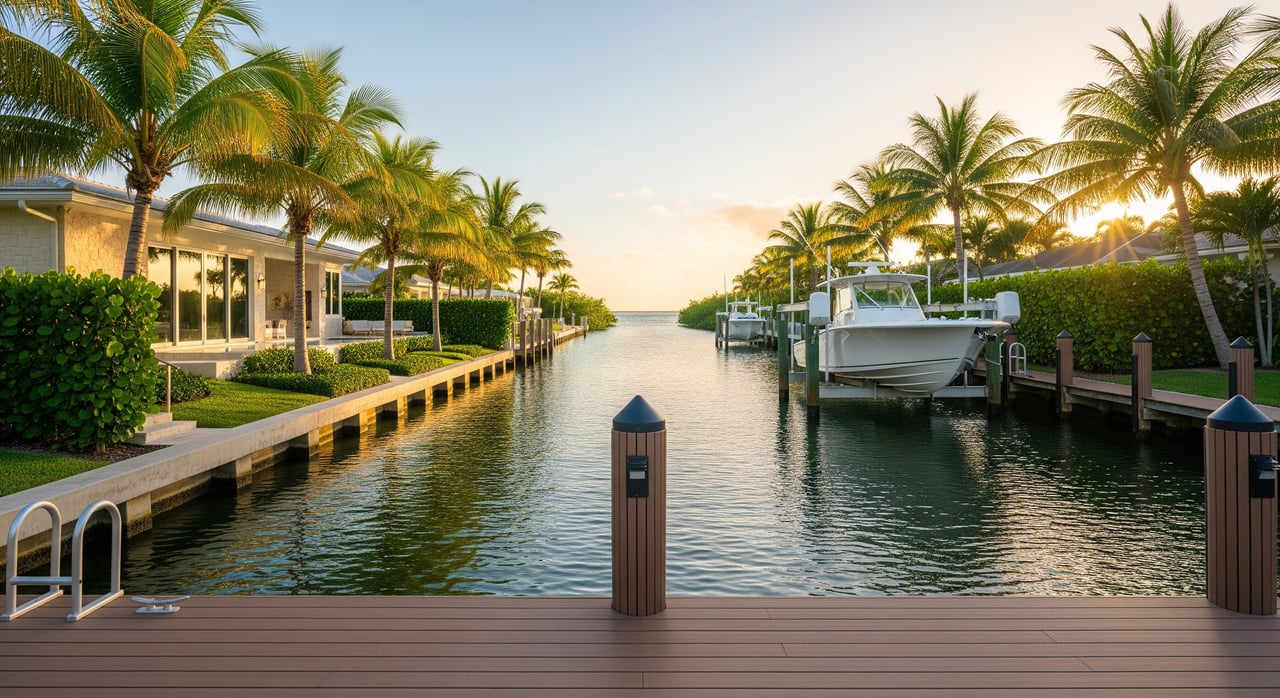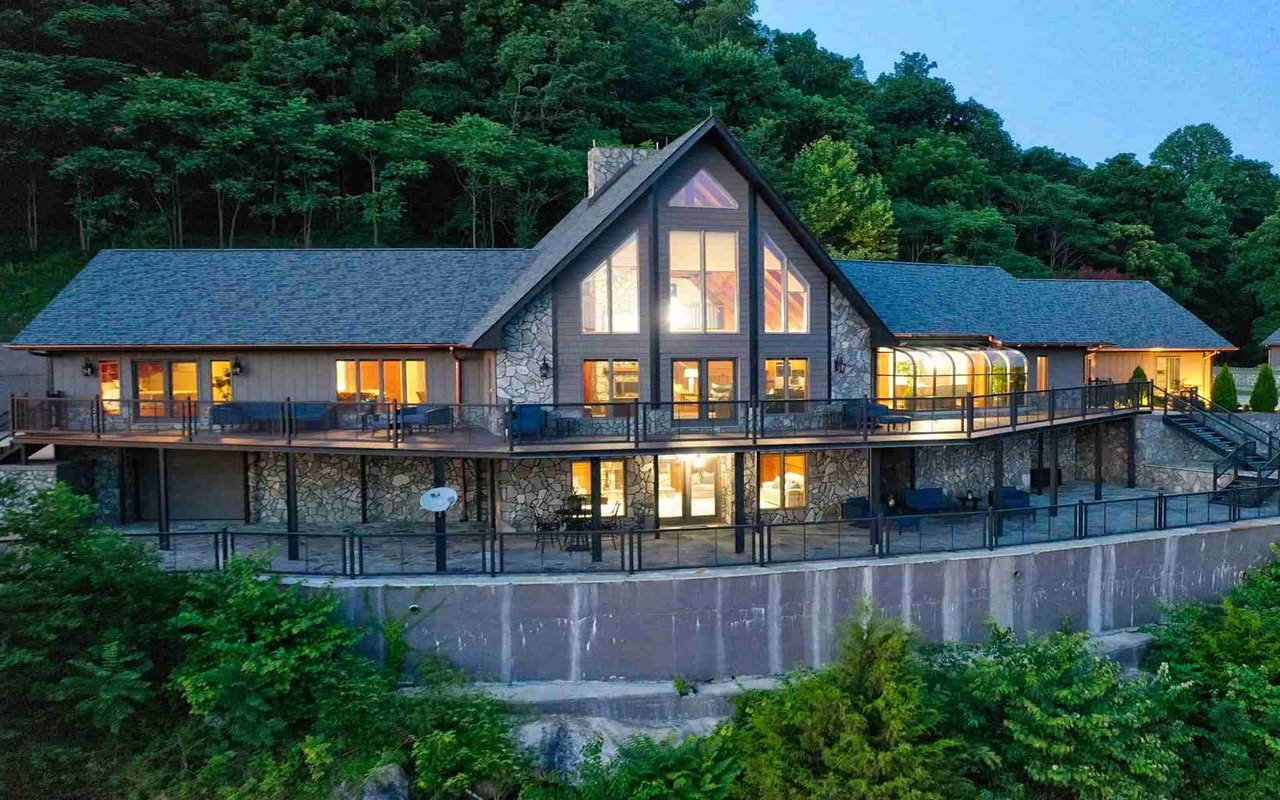
Torn between Sanibel’s East End convenience and West End quiet? You are not alone. Choosing the right side of the island shapes everything from your daily errands to your beach time and long-term maintenance plan. In this guide, you will compare lifestyle fit, housing patterns, traffic, and practical due diligence steps so you can move forward with confidence. Let’s dive in.
Quick island orientation
Sanibel is a barrier island connected to the mainland by the Sanibel Causeway. The causeway leads to Periwinkle Way and the island’s central village corridor, where you find most shops and services. Areas close to the causeway are the East End. Neighborhoods toward the western beaches and conservation lands are the West End.
If you want to explore business and visitor patterns, the Sanibel & Captiva Chamber of Commerce is a useful resource. For local rules and permitting, start with the City of Sanibel.
East End at a glance
Daily convenience and access
The East End places you closest to the causeway and the village corridor along Periwinkle Way. You can reach groceries, restaurants, banking, and everyday services with shorter drive times. If you or your guests come and go often, this side makes logistics easier.
Housing types and upkeep
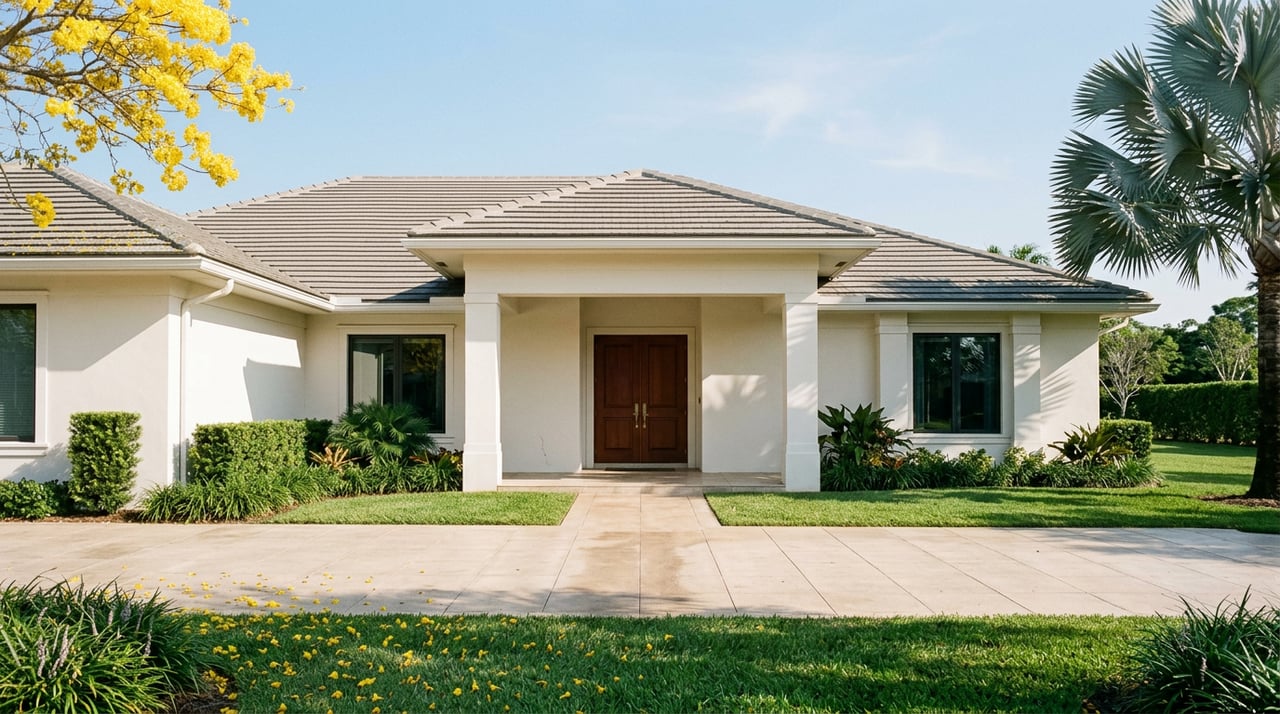
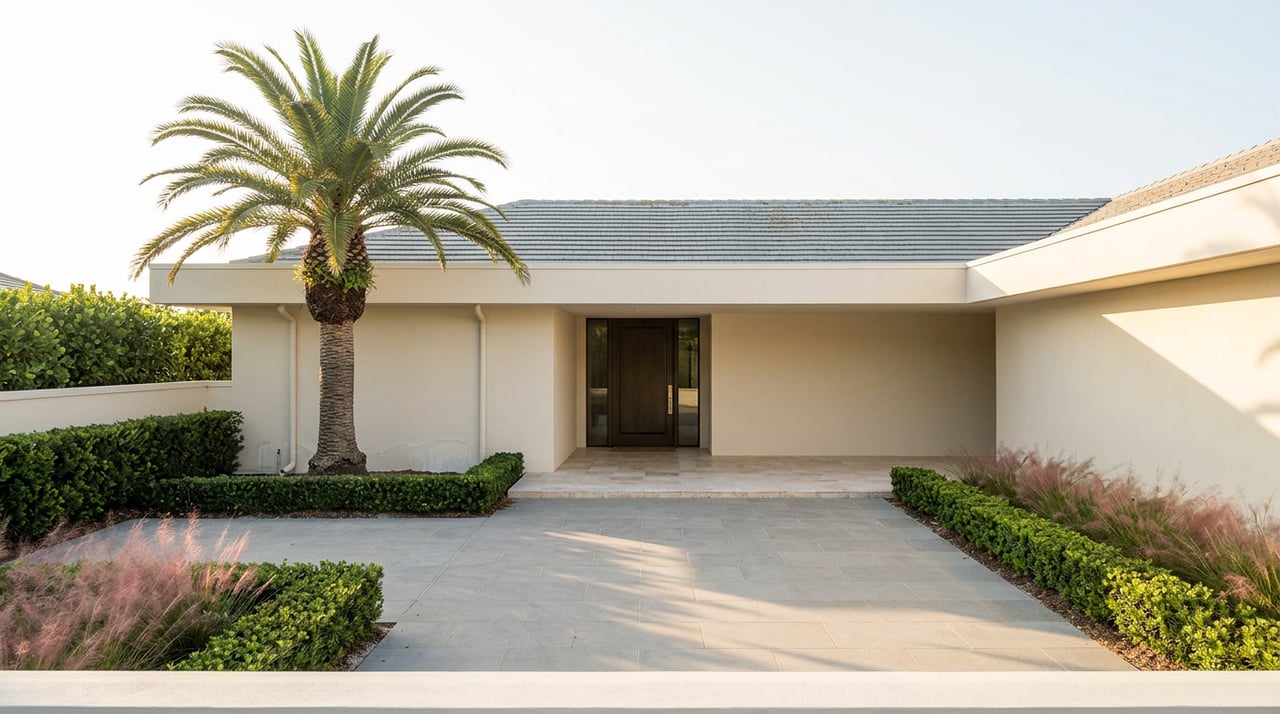
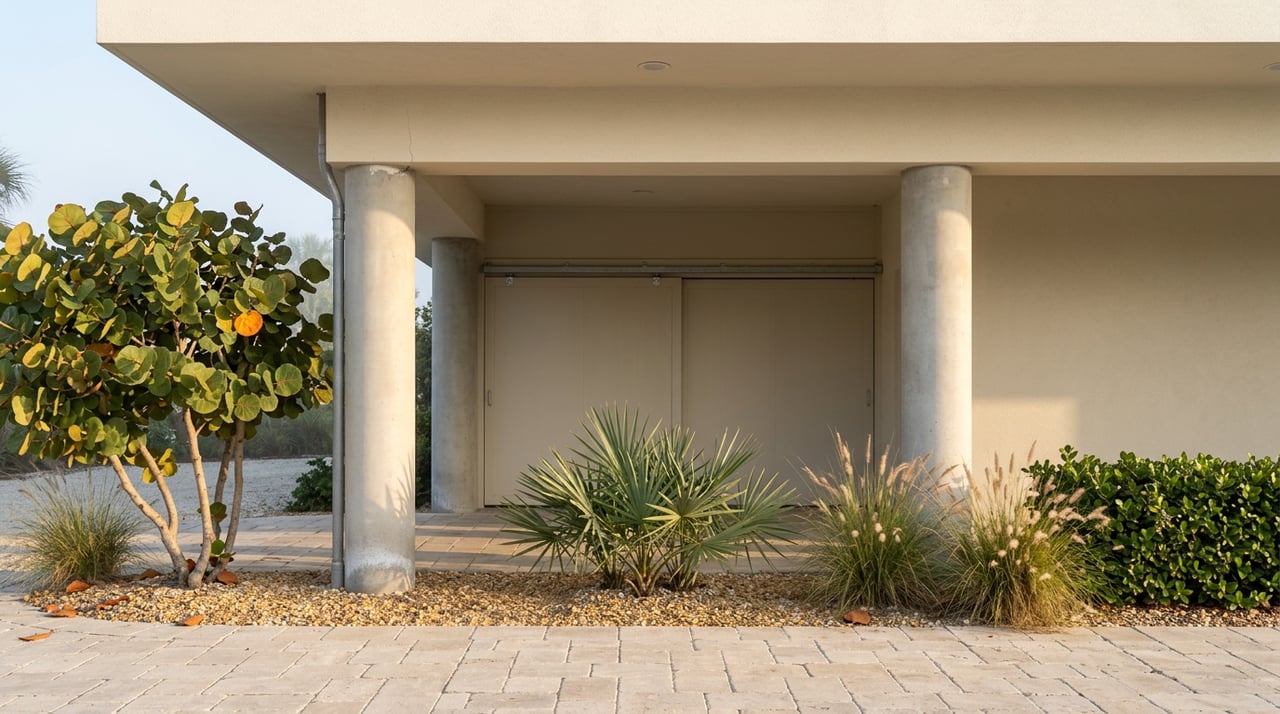
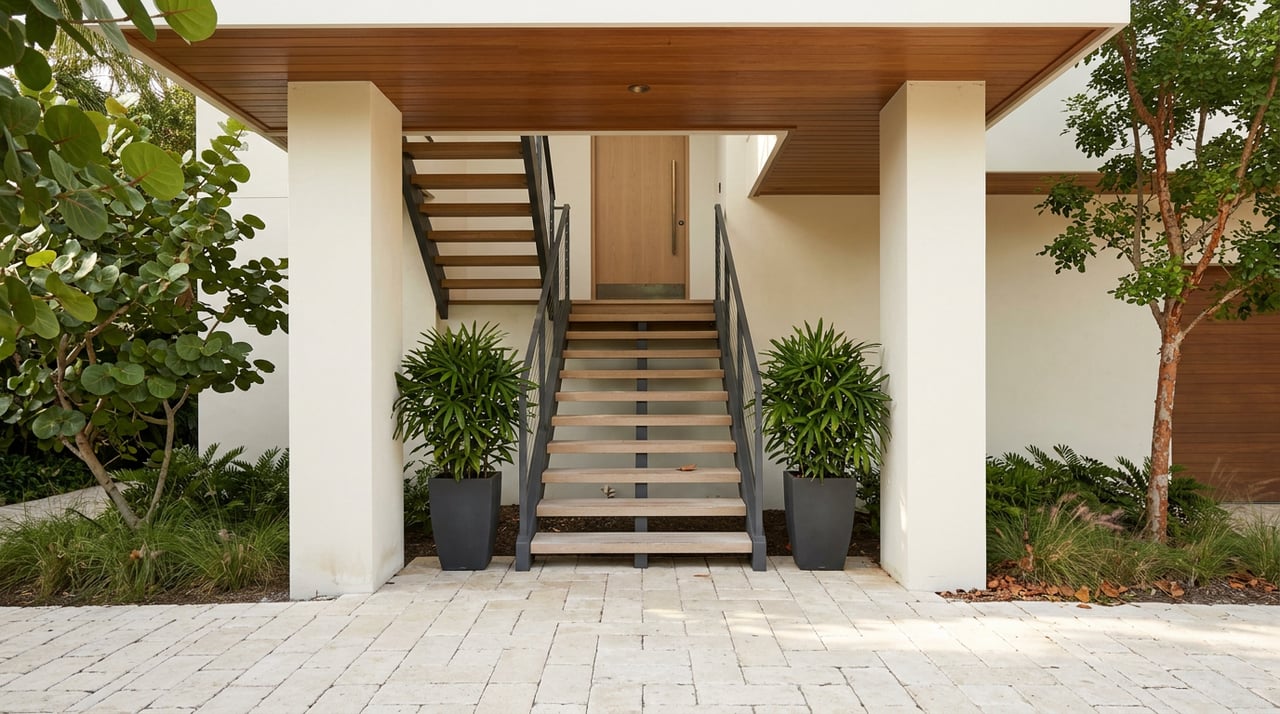
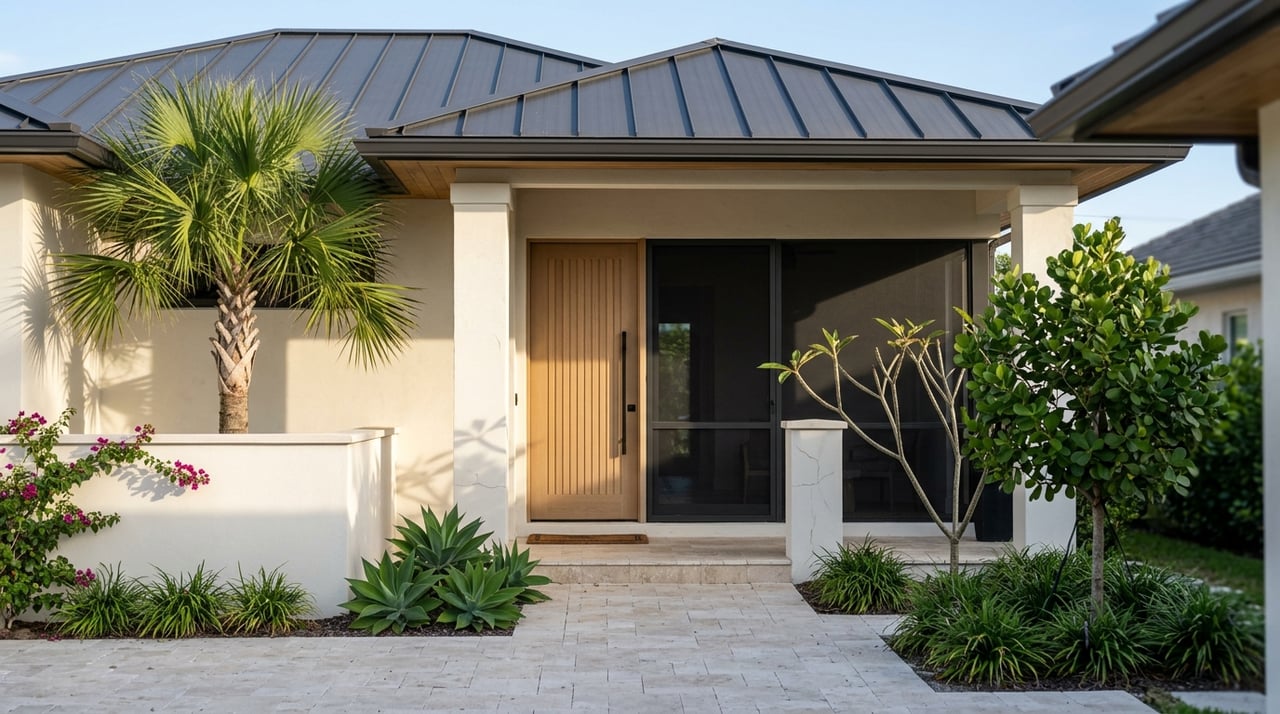
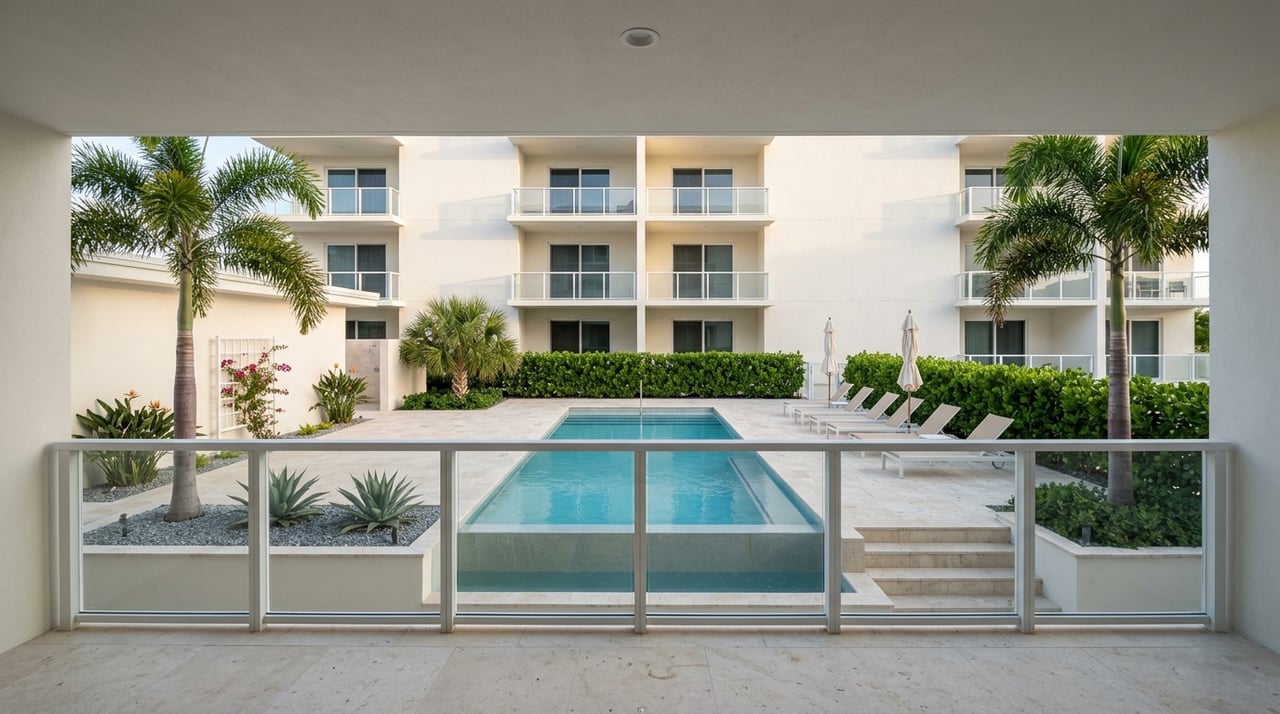
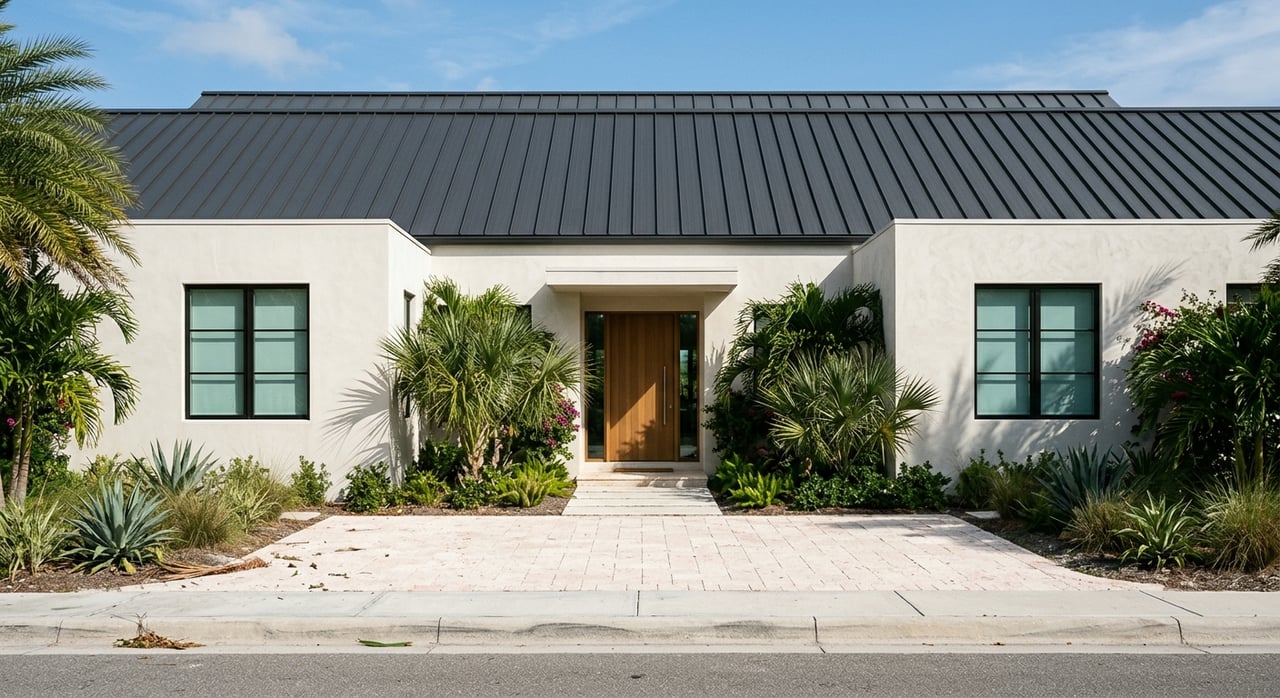
You will see a mix of small to mid-size condos, townhomes, and single-family homes on modest lots. Many older homes have been updated for modern coastal living. For part-time residents, proximity to services and property managers can simplify upkeep and vendor access.
Vibe and visitor traffic
Near the causeway and village, there is more island traffic, especially in peak season. That can mean more street activity and parking pressure at popular spots. If you prefer being in the action with quick dining options, this area fits well.
Resale and rental fit
Convenience is a demand driver. Proximity to services and shorter drive times to the mainland can support stronger year-round rental interest and broad buyer appeal. If you value easy resale positioning, the East End checks that box for many shoppers.
West End at a glance
Nature-forward lifestyle
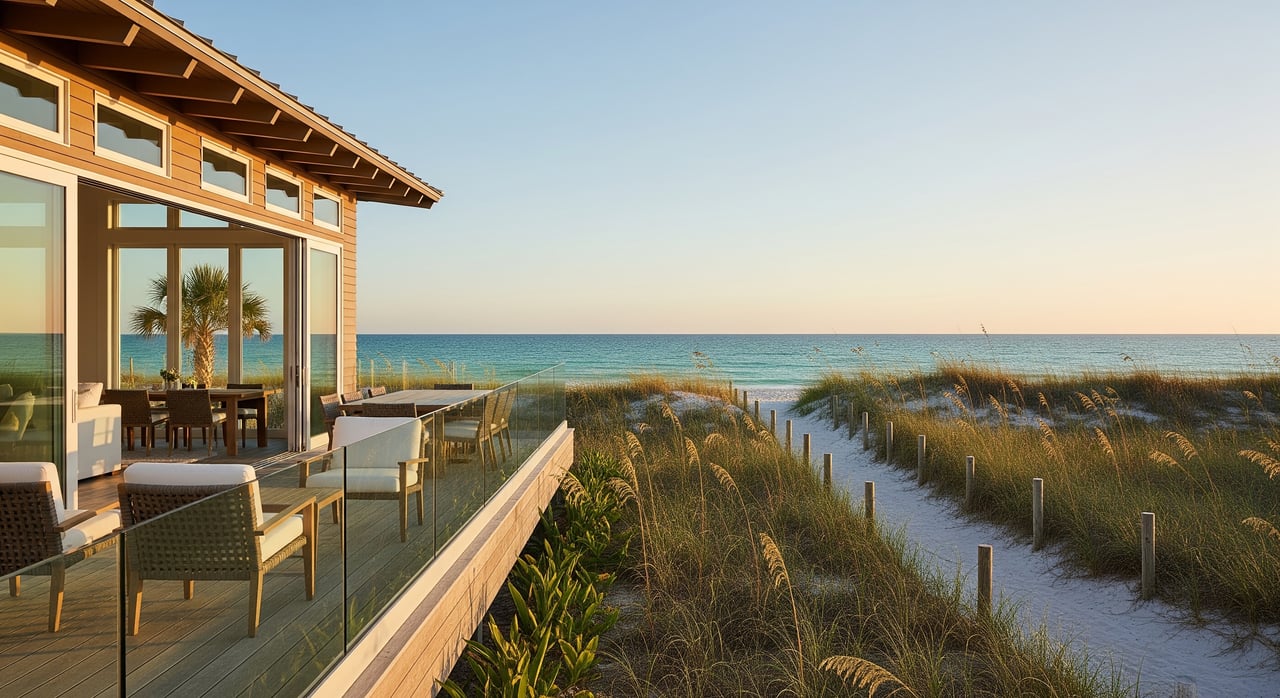
The West End brings you closer to long stretches of beach and conservation lands. You are within easy reach of the J.N. “Ding” Darling National Wildlife Refuge, managed by the U.S. Fish and Wildlife Service. This side suits buyers who want quiet streets, wildlife viewing, shelling, kayaking access, and longer, more private-feeling walks on the sand.
Property profile and maintenance
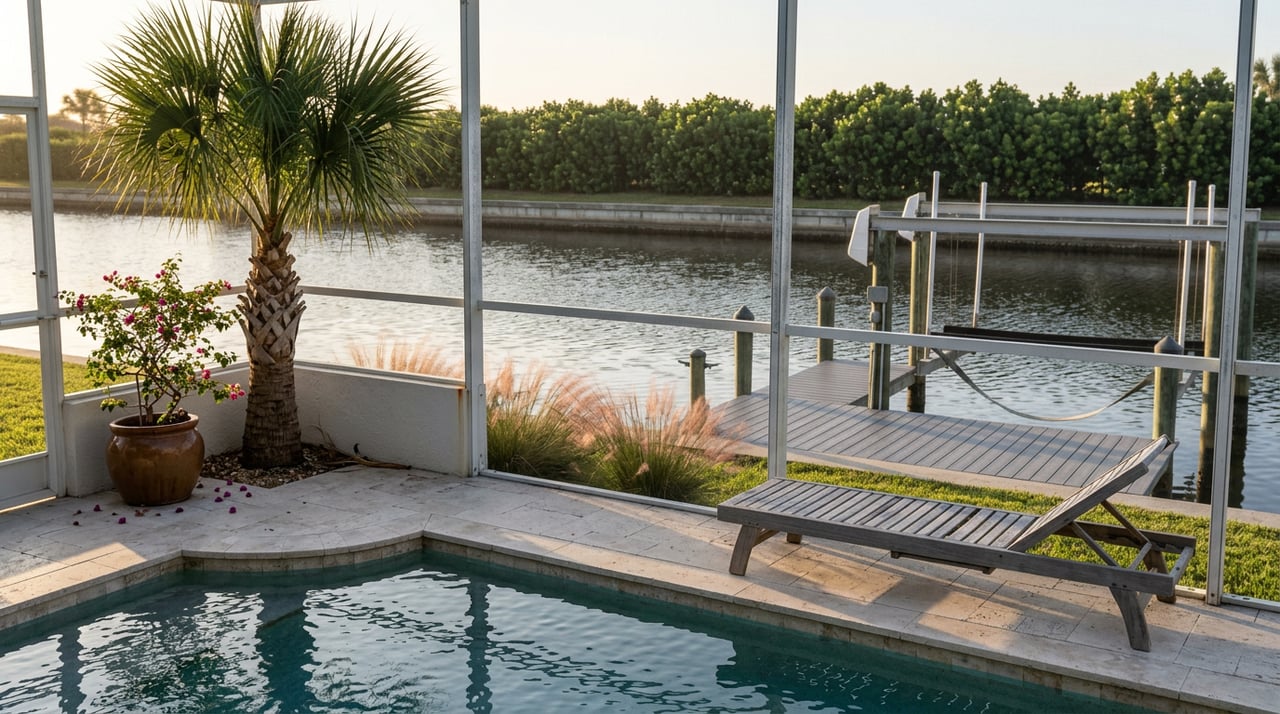
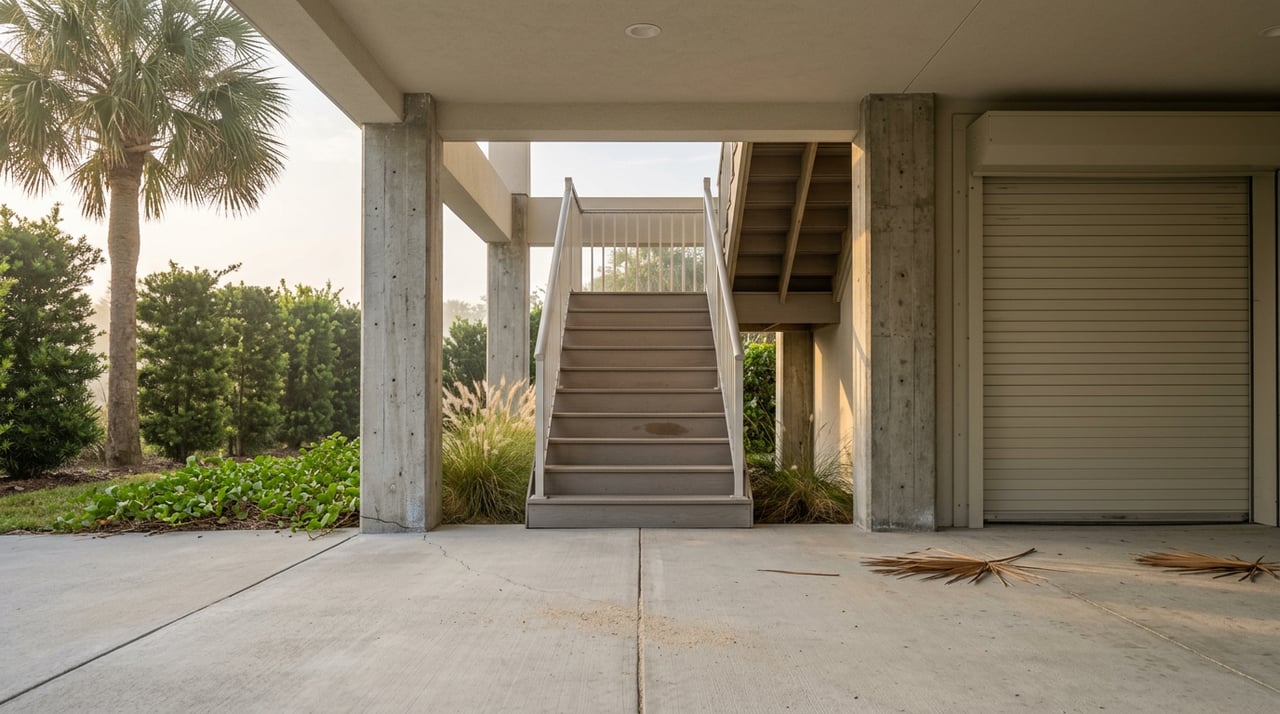
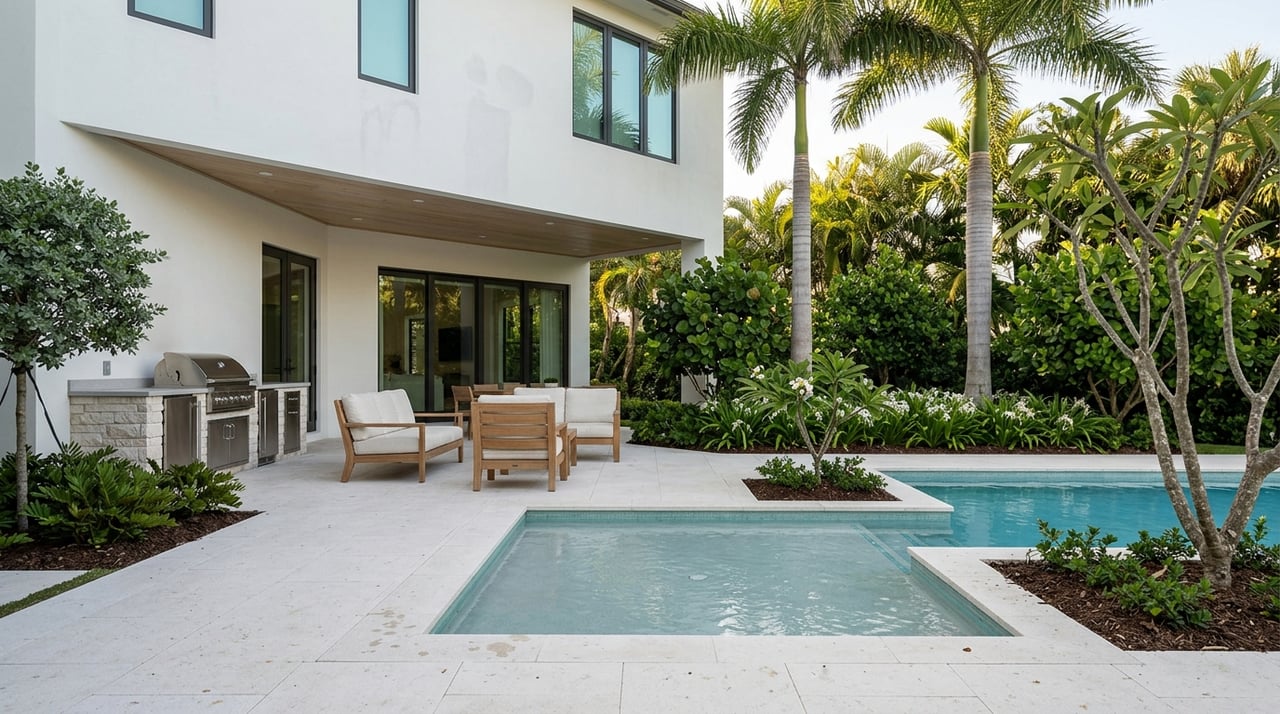
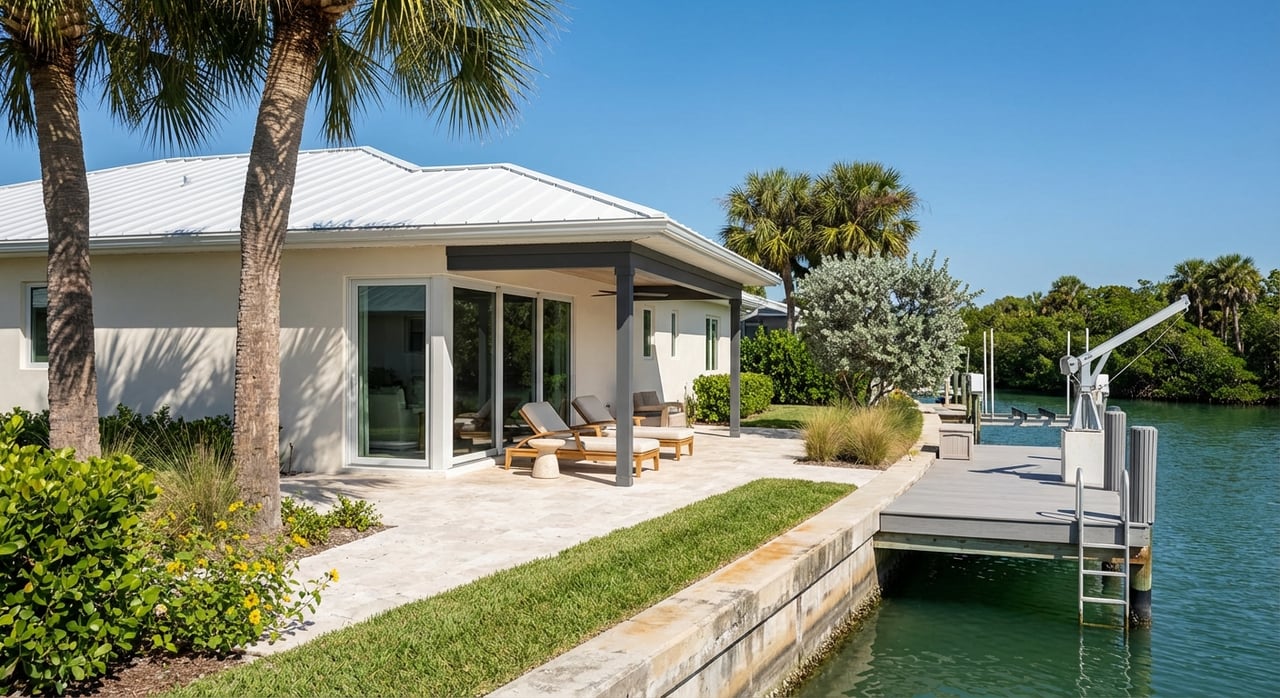
Larger lots and beachfront or near-beach homes are more common on the West End. Some properties sit in areas with stricter coastal setback rules and sensitive habitat buffers. Remodels or additions often require coordination with the City of Sanibel to comply with dune and vegetation protections, and buyers should expect thoughtful, habitat-friendly planning.
Errands and logistics
Life is quieter here, with fewer shops within walking distance. Grocery runs and contractor visits usually mean a longer drive toward the village or causeway. For many, the trade-off is worth it for the seclusion and direct nature access.
Conservation and coastal realities
Sea turtle and shorebird seasons shape lighting and beach-use practices island-wide. For context on wildlife and coastal stewardship, review guidance from the Sanibel-Captiva Conservation Foundation and the refuge. Expect a culture of conservation and compliance that protects night skies, dunes, and water quality.
Side-by-side comparison
- Access and errands: East End is fastest to the causeway, shops, and services. West End requires longer drives for essentials but offers immediate nature and beach access.
- Noise and visitor intensity: East End sees more traffic near the village corridor and causeway approaches. West End streets feel calmer overall, though popular beaches still draw visitors.
- Housing character: East End has smaller lots, mixed condos and townhomes, and renovated older homes near services. West End skews to larger lots, more single-family and beachfront properties, and lower built intensity.
- Nature and privacy: East End offers walkable convenience with pocket parks and pathways. West End puts you closer to refuge lands, trails, and broader beach fronts such as the Bowman’s Beach area.
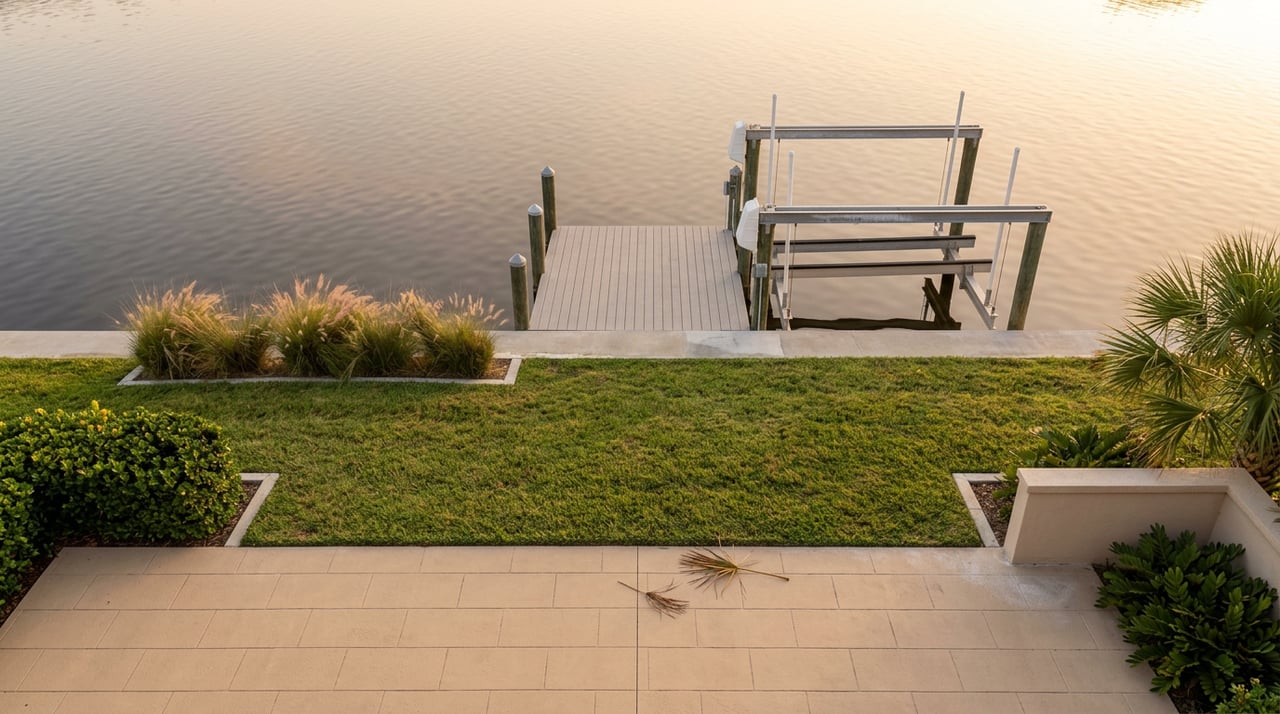
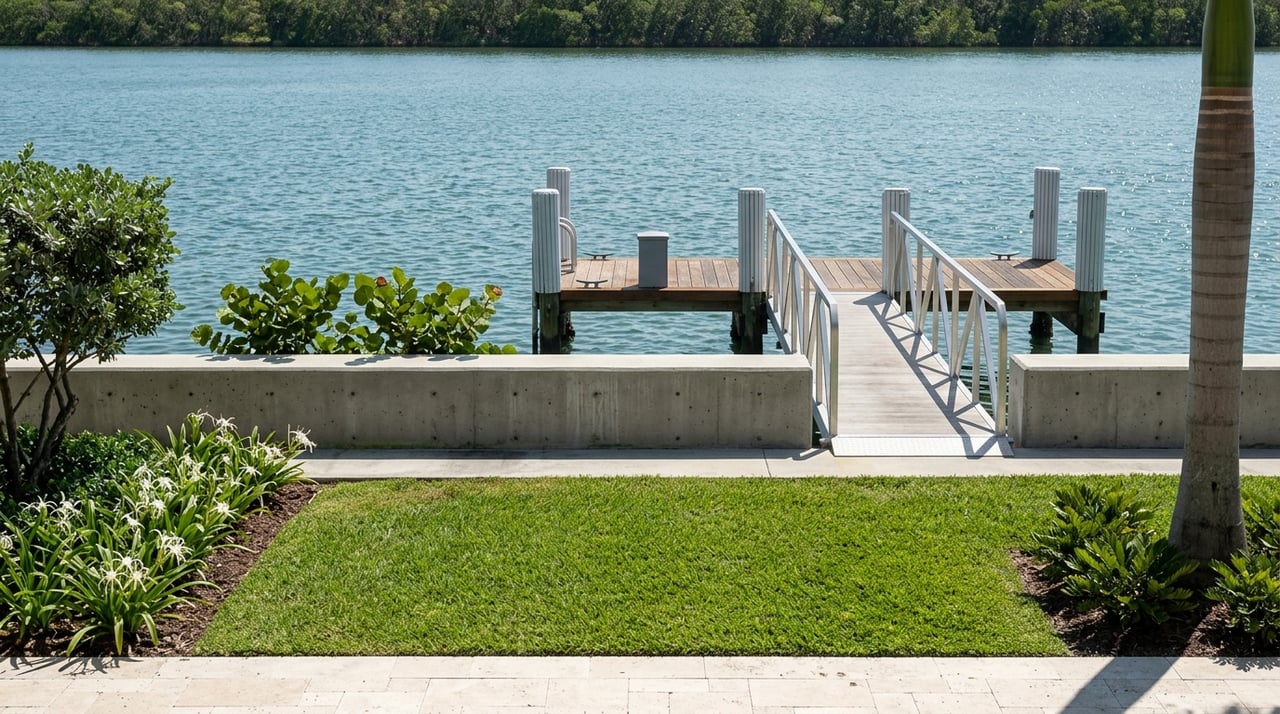
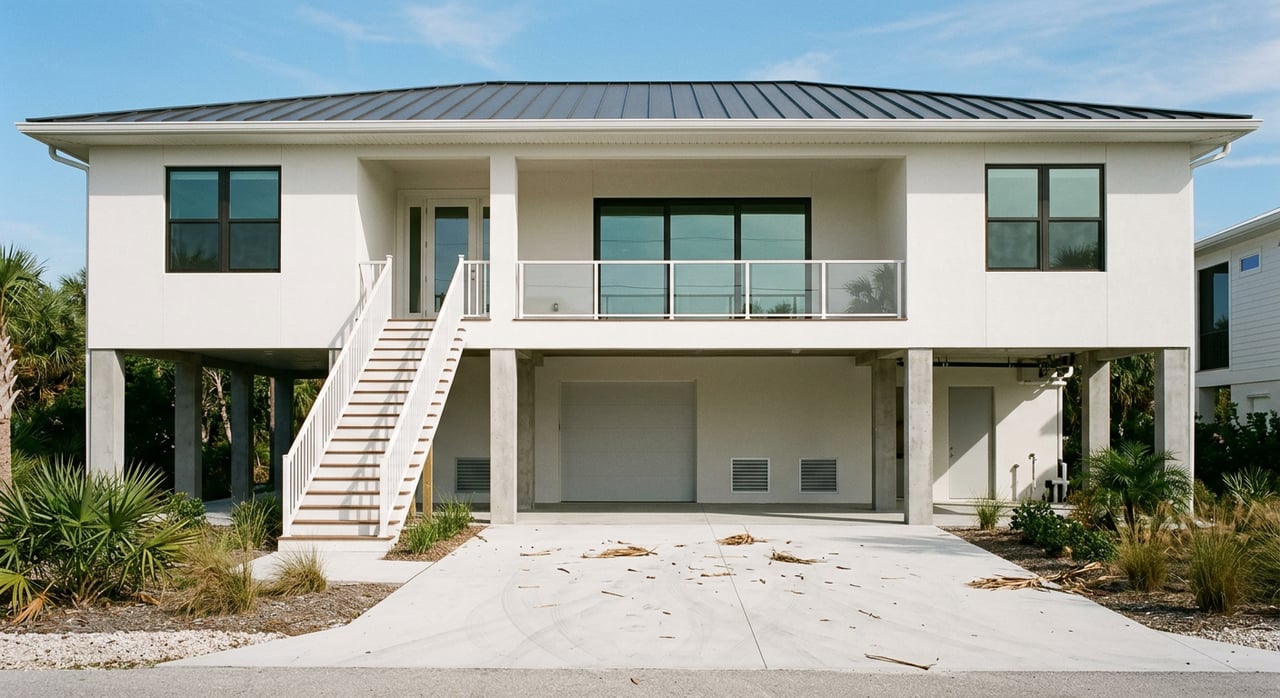
- Insurance and maintenance: All of Sanibel sits in coastal flood zones, so plan for flood and wind coverage. Properties facing open shoreline or with seawalls can carry higher maintenance needs over time.
For flood mapping and long-term coastal risk context, consult the FEMA Flood Map Service Center and NOAA’s sea level rise viewer during due diligence.
What to consider before you buy
Insurance and hazard checks
Flood insurance is commonly required by lenders on Sanibel. Windstorm coverage and hurricane deductibles can be significant, so request quotes early in your search. Use the FEMA Flood Map Service Center and NOAA resources to review zones, elevation, and exposure.
Access and evacuation logistics
The causeway is the island’s primary vehicle access. During storms and evacuations, traffic can be heavy. Review guidance from Lee County Emergency Management and plan how you will handle peak-season travel or storm preparations.
Utilities, permits, and rules
Sanibel enforces coastal setbacks, tree protection, and dune and vegetation rules. If you plan to remodel or build, confirm requirements with the City of Sanibel before you write an offer. Expect thoughtful coordination for lighting, landscaping, and wildlife protections.
Rentals, condos, and HOAs
Short-term rental rules vary by condominium and HOA, and local policies can change. If rental income matters, verify minimum-stay rules, licensing steps, and occupancy limits in writing. Confirm whether your property manager can support frequent turnarounds if allowed.
Taxes and carrying costs
Island ownership often means higher ongoing costs than comparable mainland homes due to insurance, maintenance, and storm hardening. For parcel data and tax history, check the Lee County Property Appraiser site.
Healthcare and schools
Year-round buyers often prioritize access to care and logistics for students. Explore network and facility options through Lee Health. For school assignment details, consult the School District of Lee County directly.
Your on-island due diligence checklist
Use this short list to evaluate each property with clarity:
- Access and daily routine
- Time your drive from the home to the causeway, groceries, pharmacy, and the beach during peak and off-peak hours.
- Condition and long-term maintenance
- Ask about elevation, any prior flood claims, seawall condition, and recent structural assessments or foundation reports.
- Insurance and financing
- Request current estimates for homeowner, wind, and flood coverage, and confirm mortgage options based on the home’s age, elevation, and condition.
- Regulatory and environmental
- Verify coastal setbacks, conservation buffers, and any permits or variances with the City of Sanibel. Confirm there are no outstanding code issues.
- Use and income
- If renting is part of your plan, confirm HOA or condo rules and local requirements, and review comps for occupancy and nightly rates.
- Neighborhood character and projects
- Ask about upcoming public works or private projects that may affect traffic, access, or views.
- Resale liquidity
- Review how often similar homes sell and how much competing inventory exists at your target price.
- Personal reconnaissance
- Visit favorite beaches at dawn and dusk to gauge activity and wildlife. Talk with local property managers about average maintenance timelines and contractor access.
Which Sanibel is right for you?
If you want streamlined errands, frequent guest visits, and walkable dining, the East End typically makes life easier. If your must-haves are quiet streets, bigger lots, and immediate nature access, the West End usually delivers. Year-round residents often value healthcare and service access, while seasonal owners may prioritize beach proximity and privacy. The best choice depends on how you live today and how you plan to use the property over time.
When you are ready to compare listings, renovation potential, and insurance scenarios side by side, reach out. With selective representation, private-placement reach, and design-forward guidance, Jodi Hanson can help you secure the right Sanibel fit without compromise.
FAQs
How does Sanibel’s single causeway access affect daily life?
- The causeway simplifies entry and exit but concentrates traffic during peak season and storm events, so test drive commute and errand times before you buy.
What insurance should Sanibel buyers plan for?
- Expect homeowner, windstorm, and flood coverage; use the FEMA flood maps to confirm zones and get quotes early to understand deductibles and coverage options.
Are short-term rentals allowed on Sanibel properties?
- It depends on local policy and your HOA or condo rules; verify minimum stays, licensing, and occupancy limits in writing before making an offer.
How does beach access differ between East End and West End?
- The West End has broader stretches of beach and quick access to nature areas like the refuge, while the East End trades some seclusion for closer services and shorter drives.
How do conservation rules affect remodeling on Sanibel?
- Projects often involve coastal setbacks, dune and vegetation protections, and lighting considerations; coordinate early with the City of Sanibel to align design and permits.