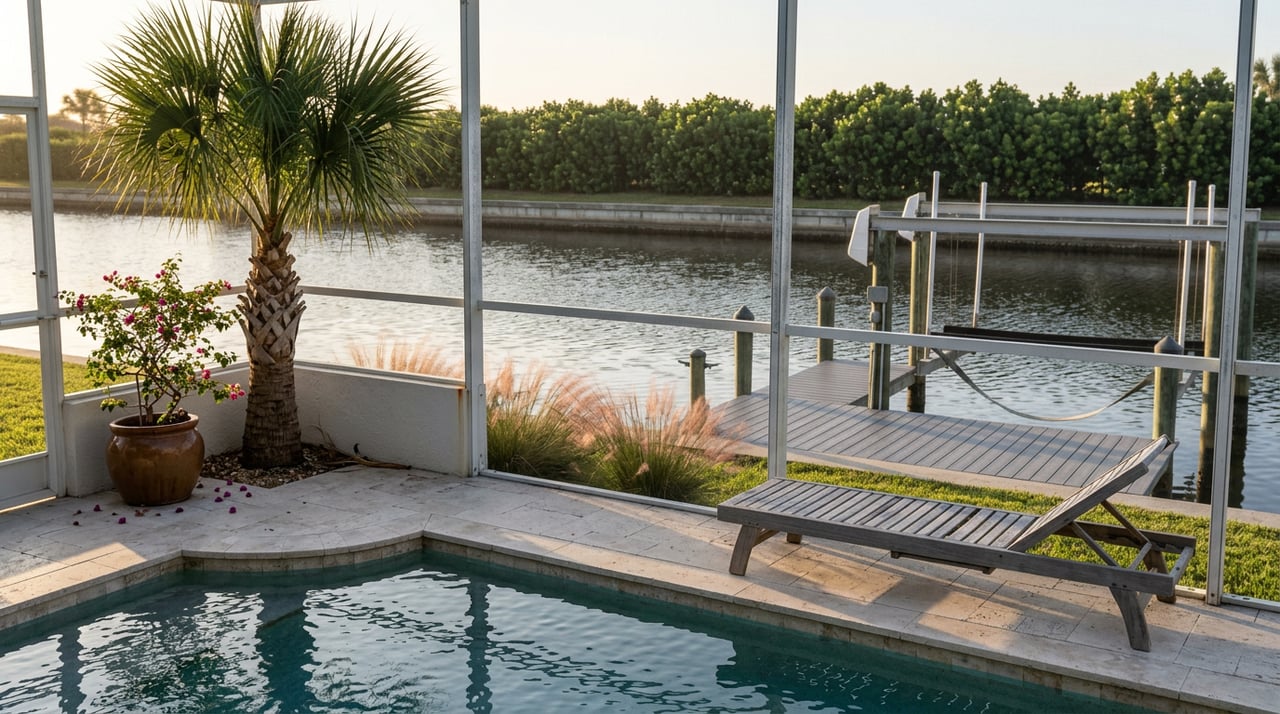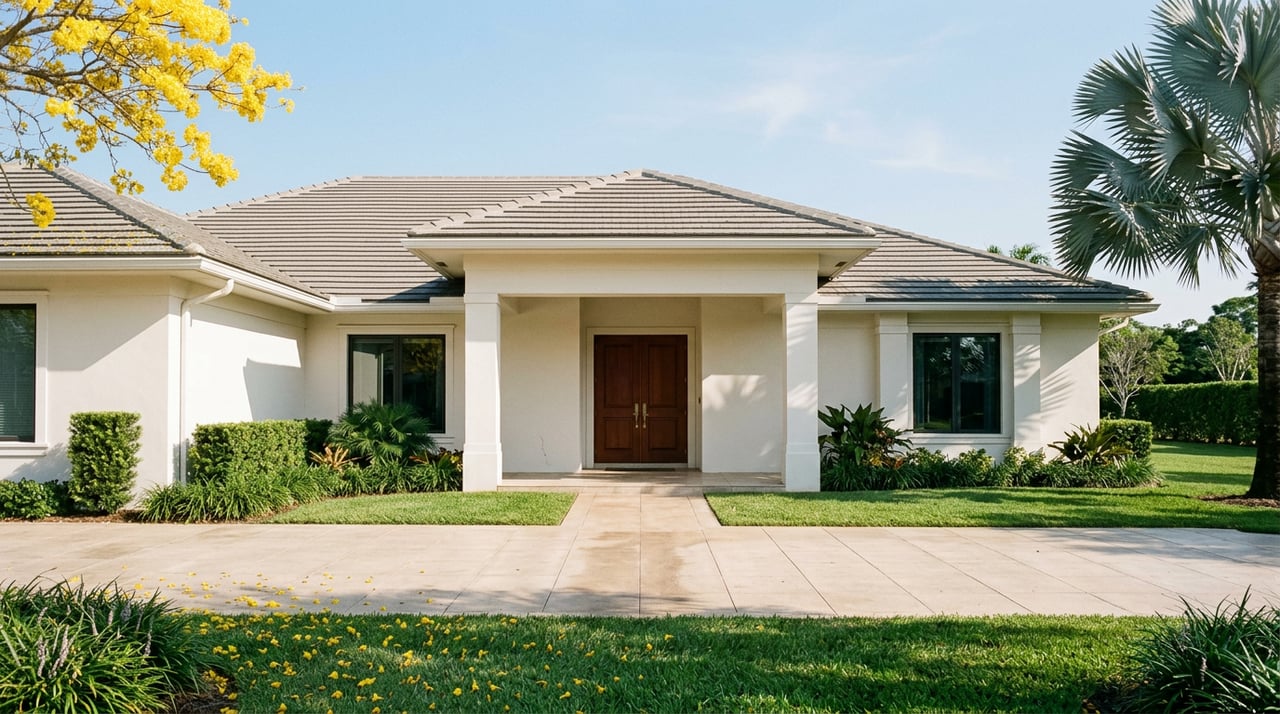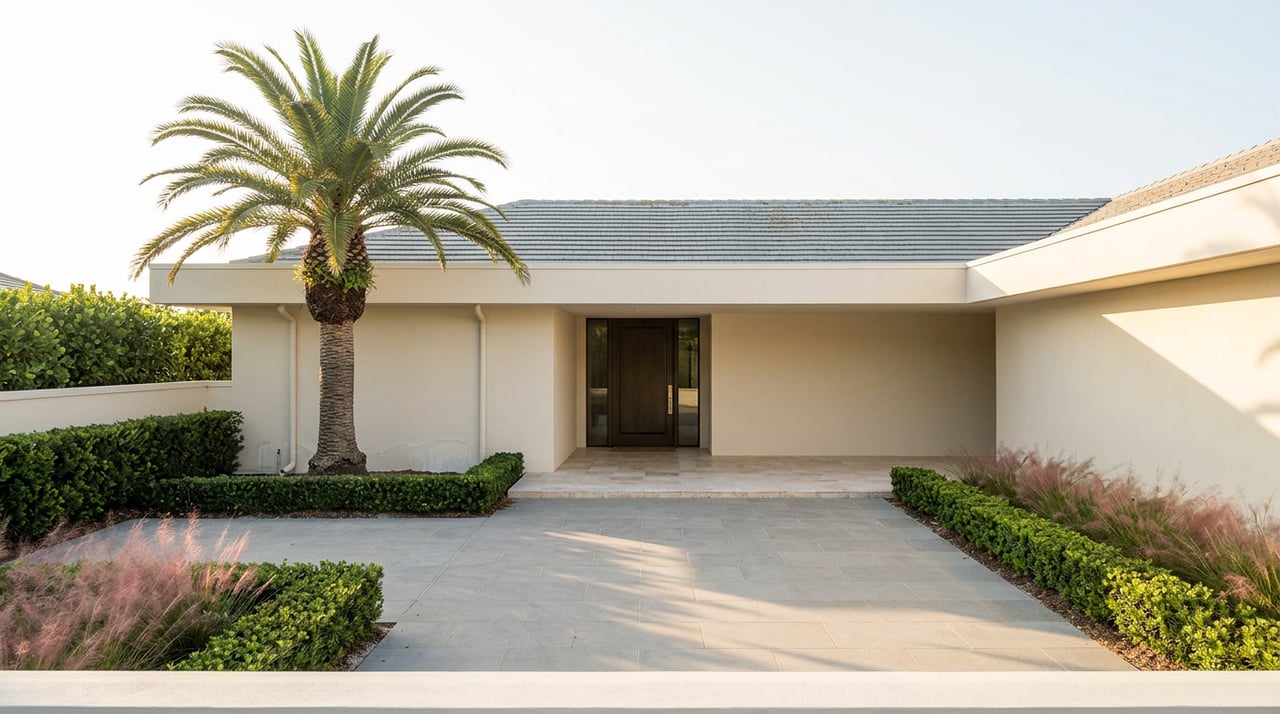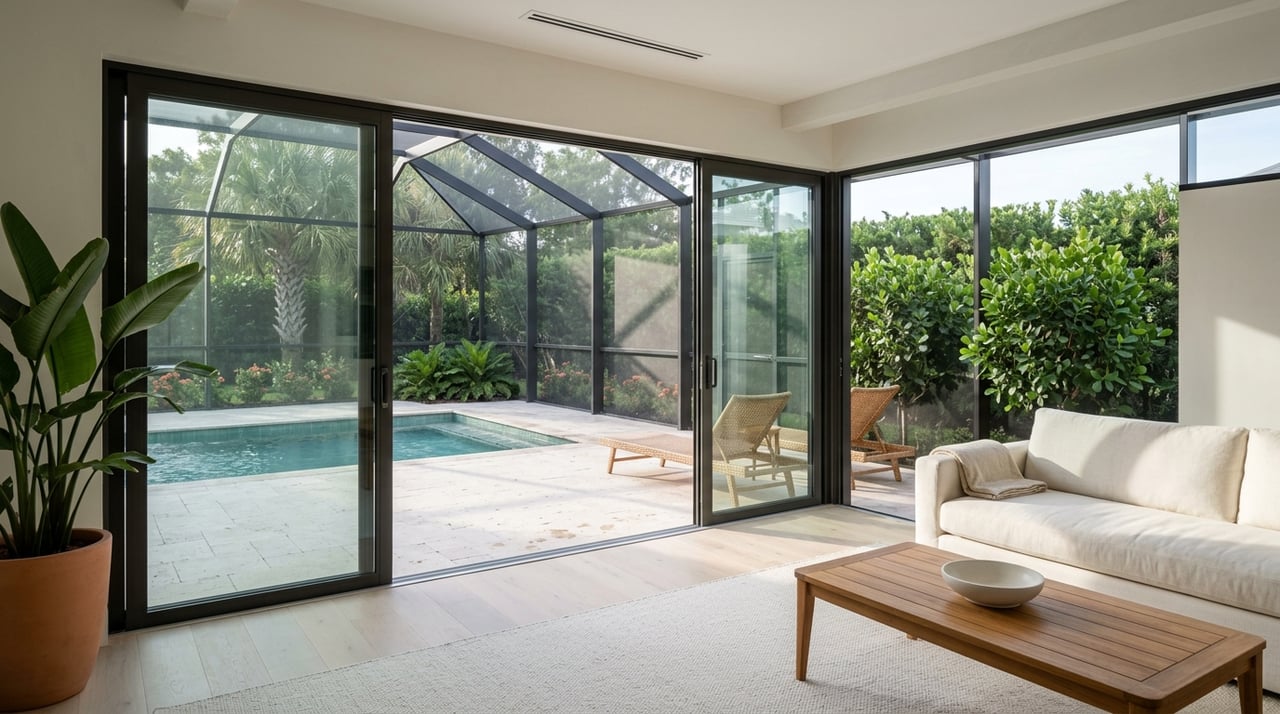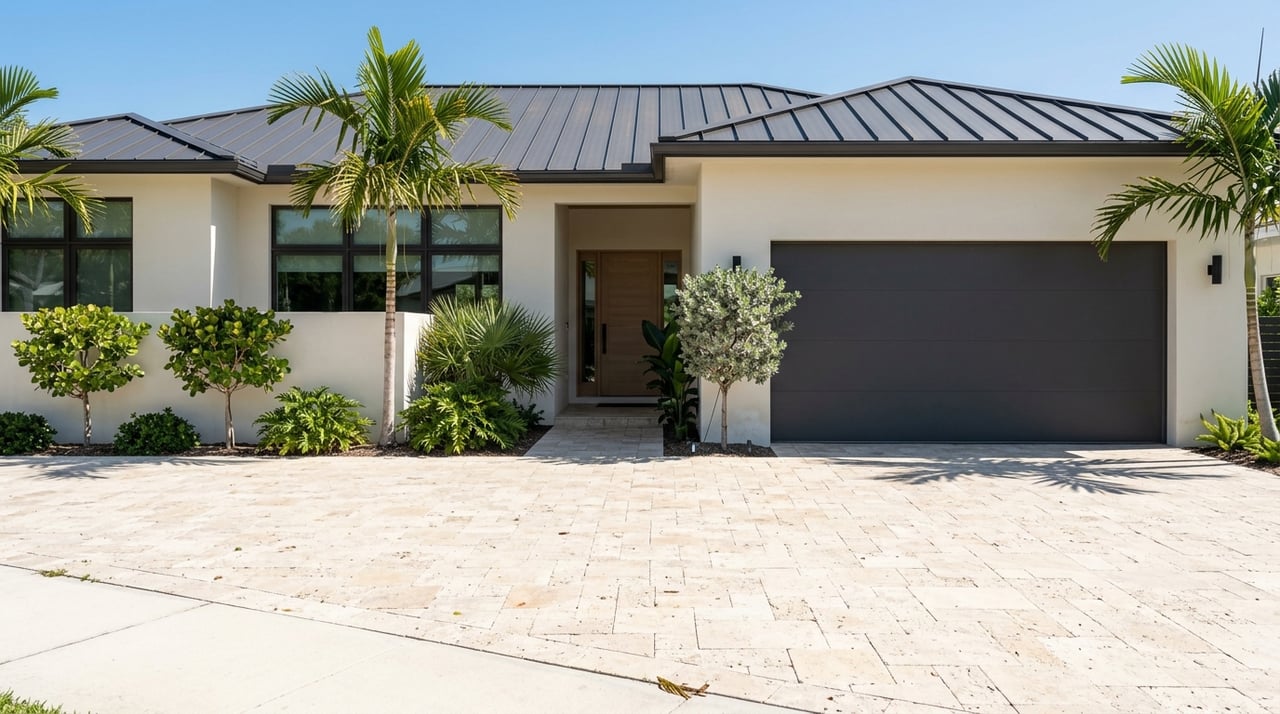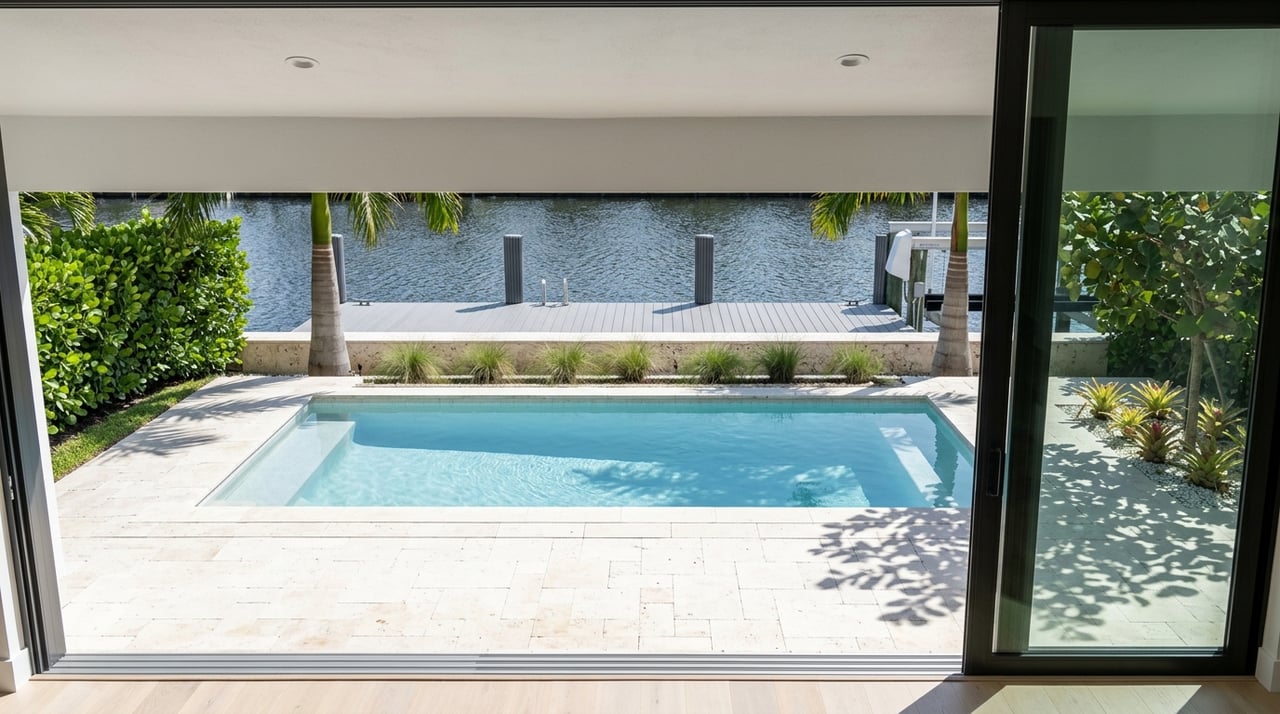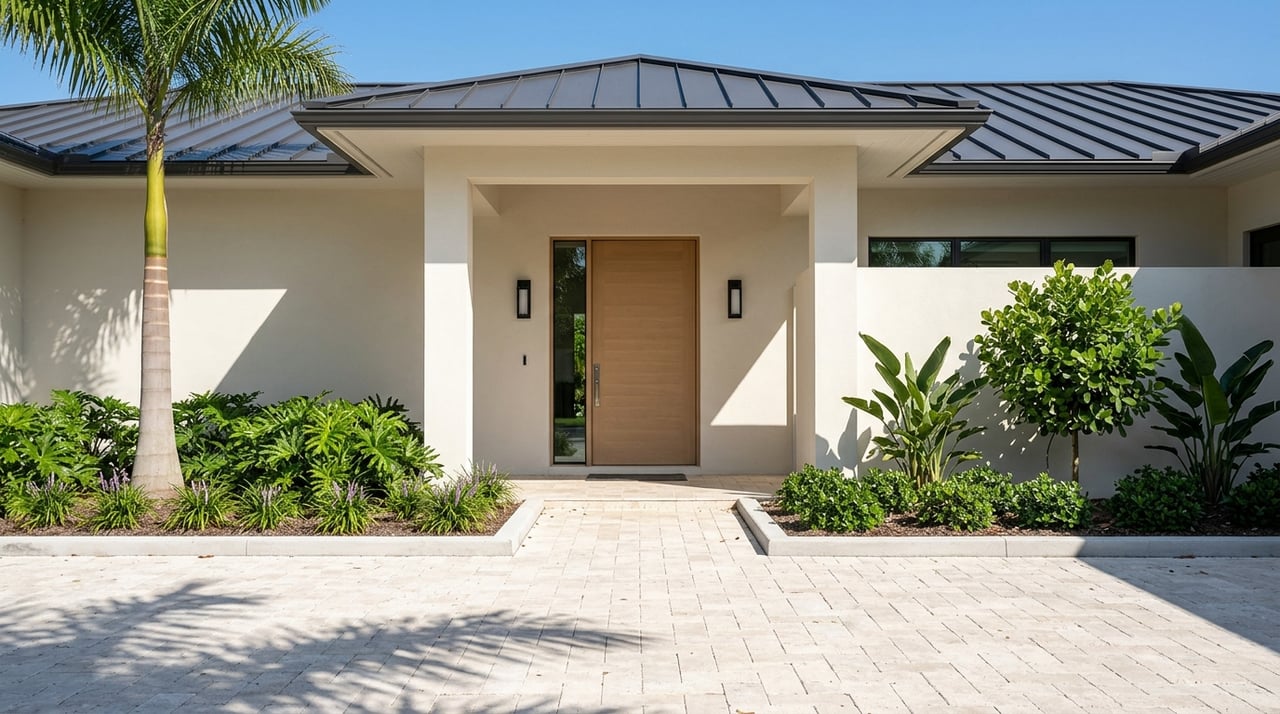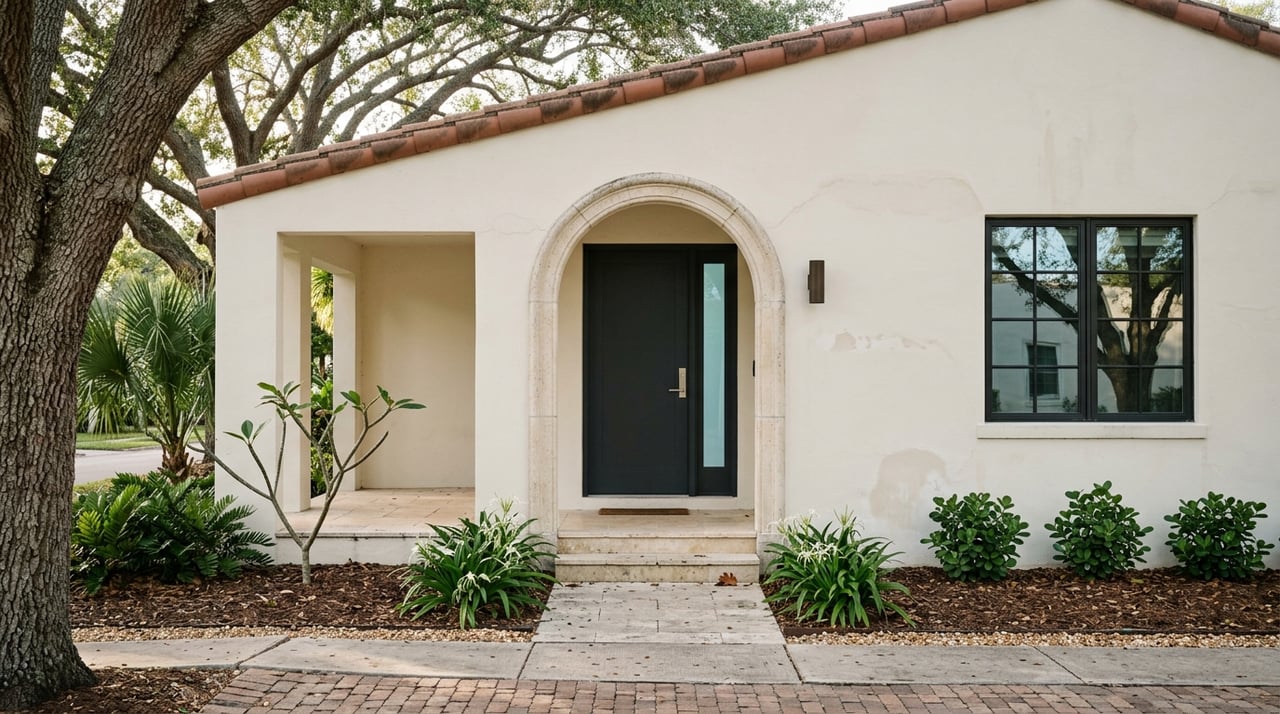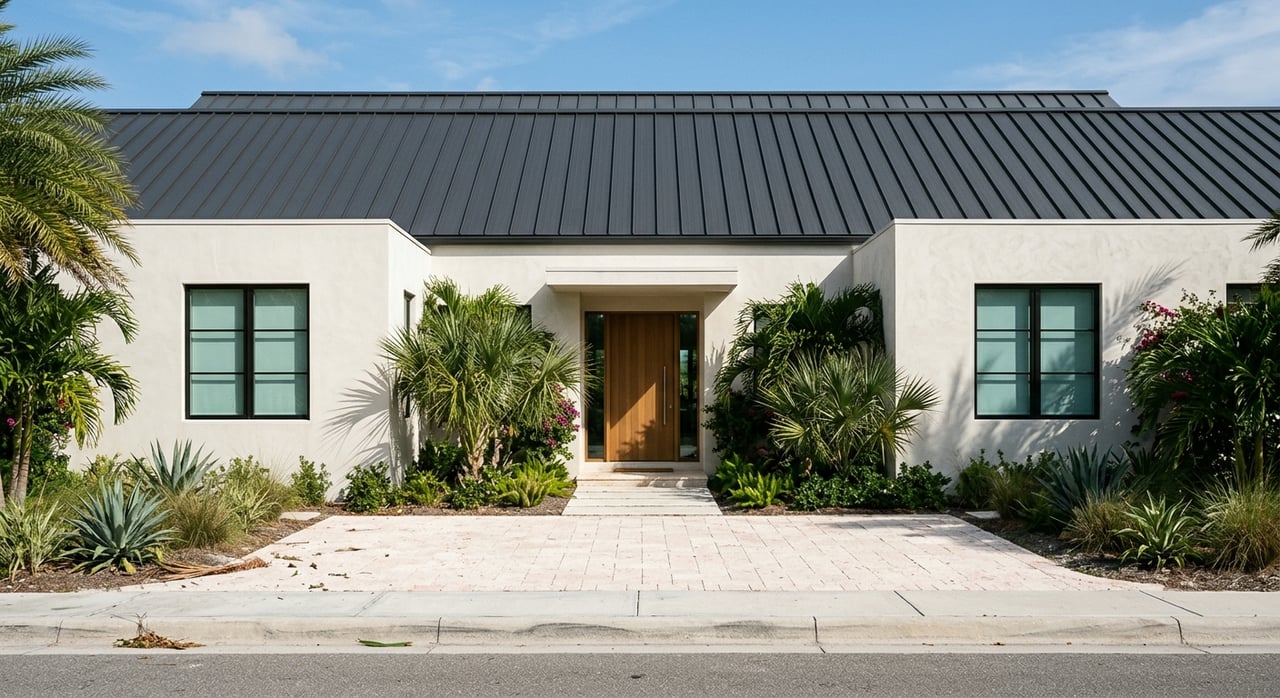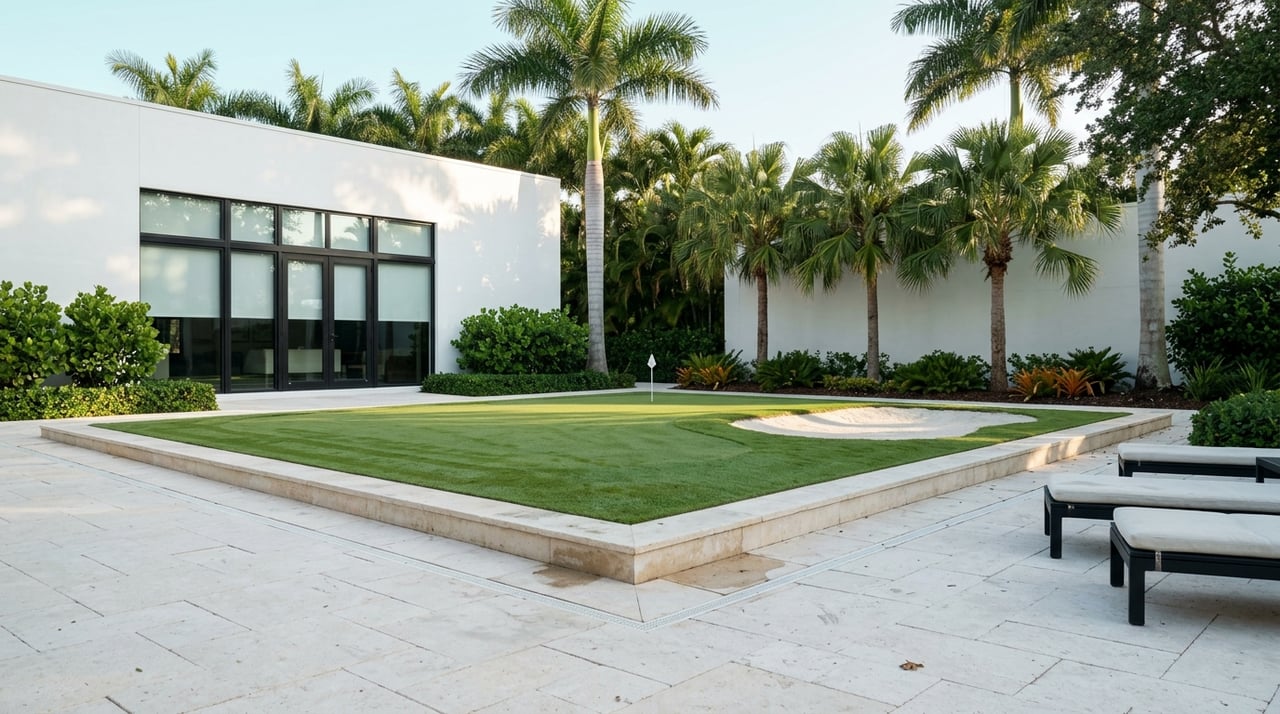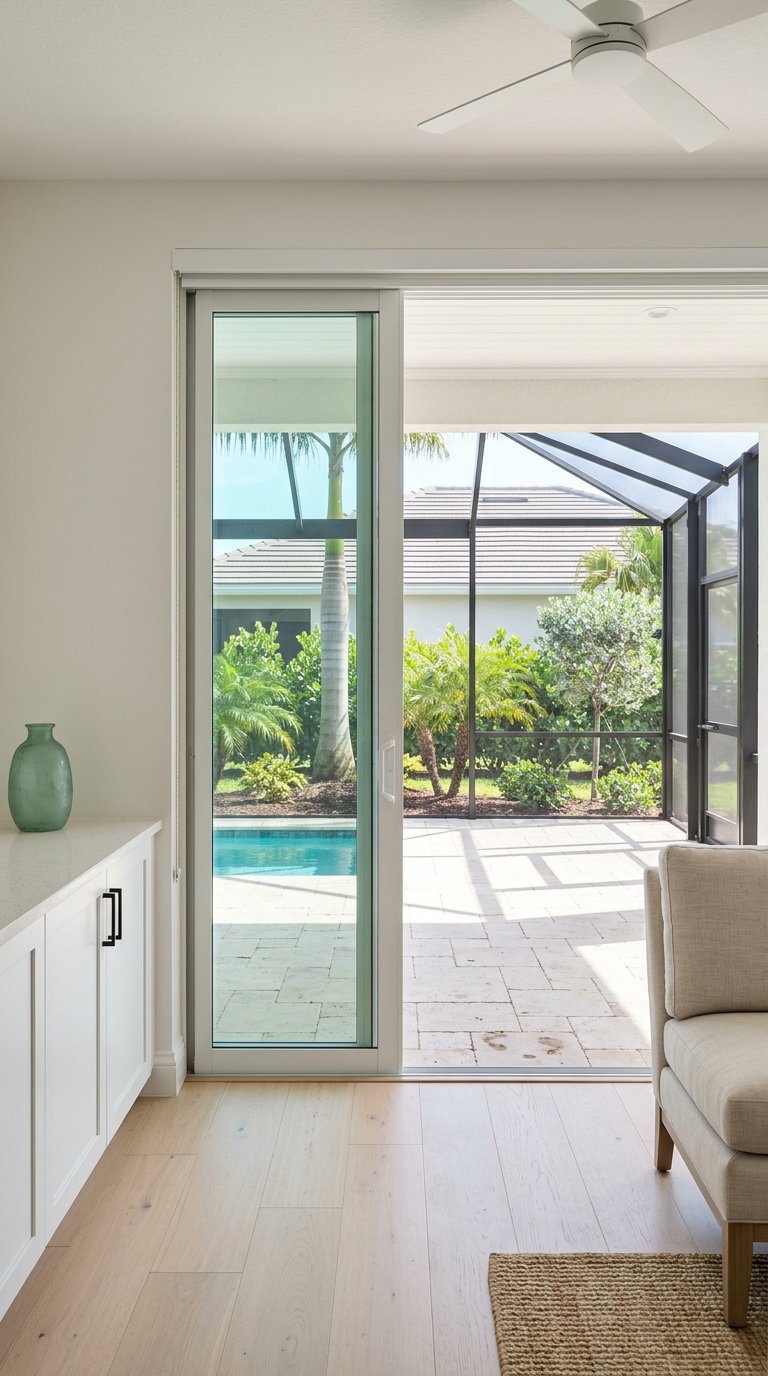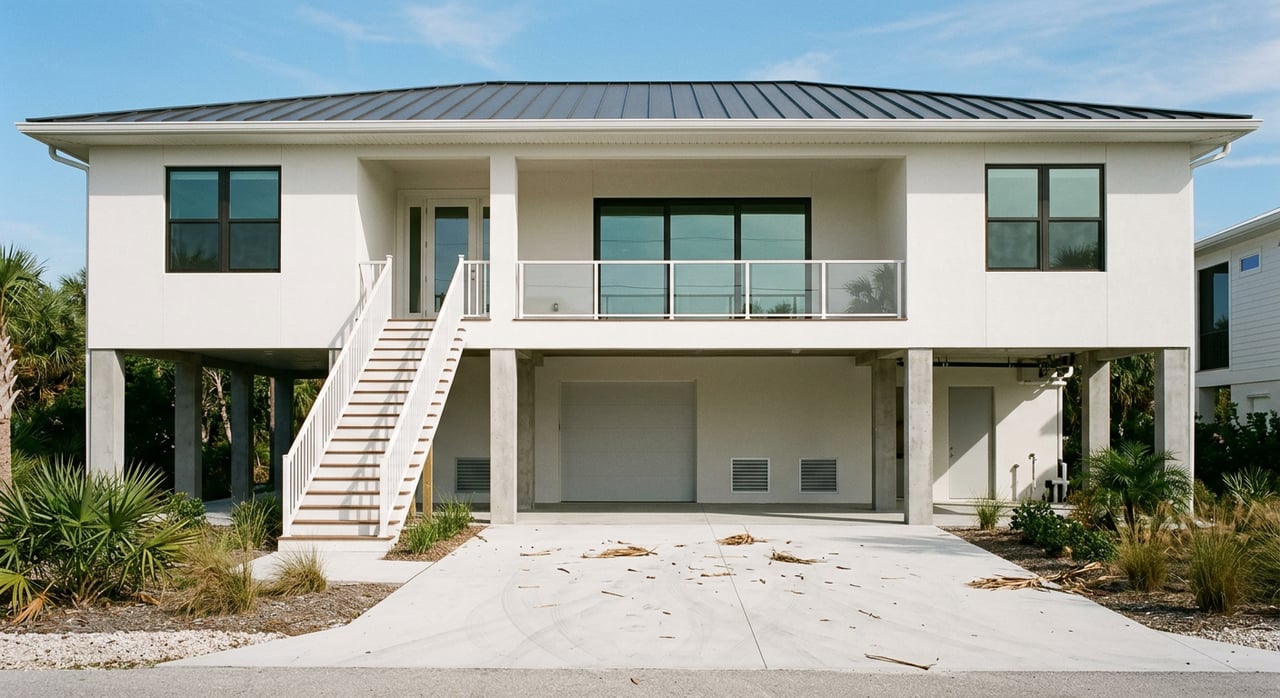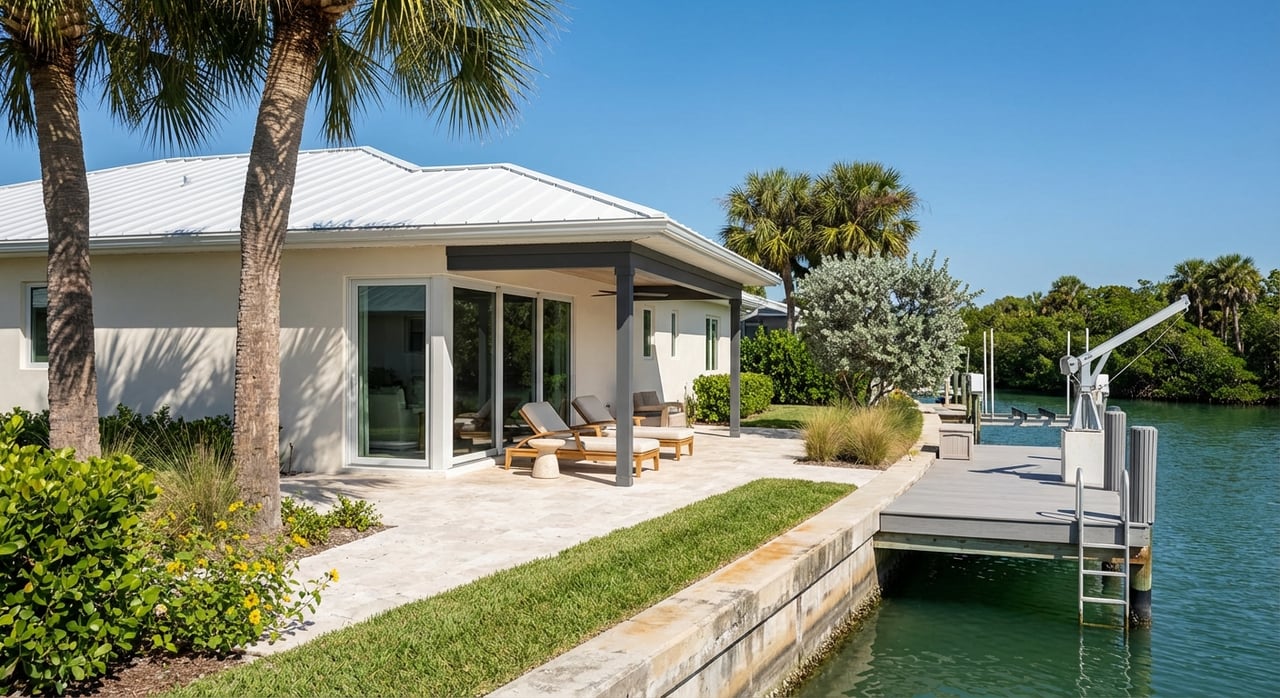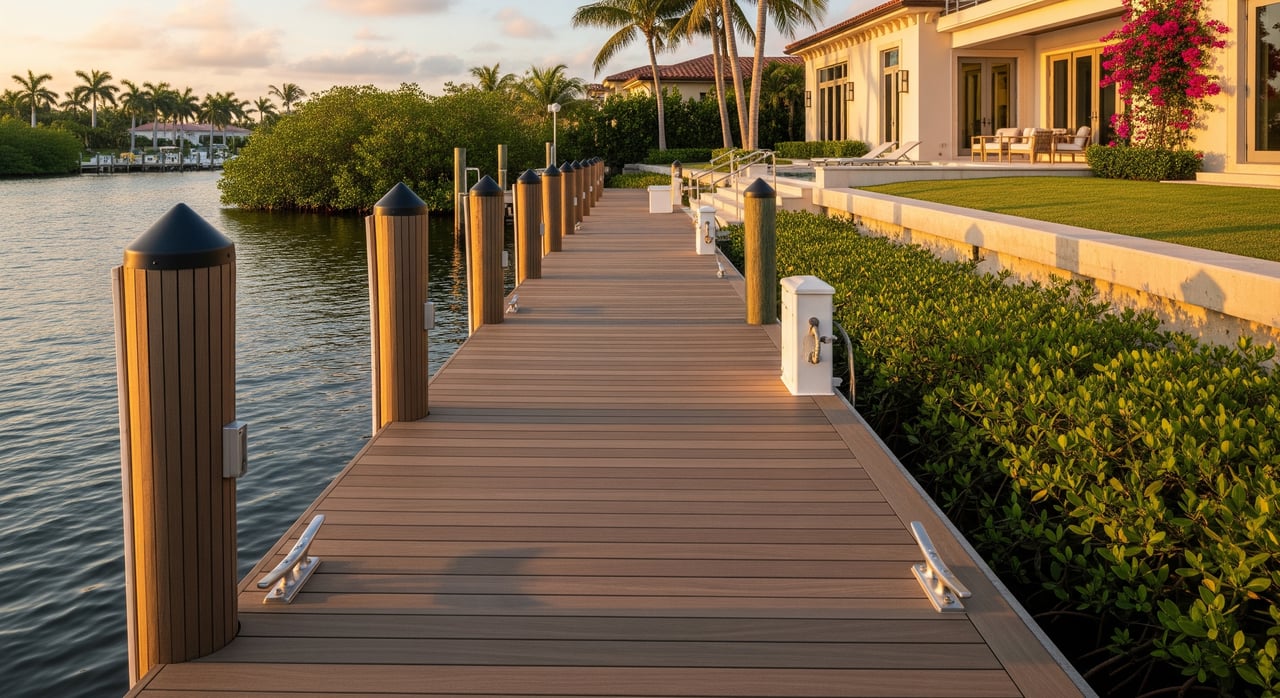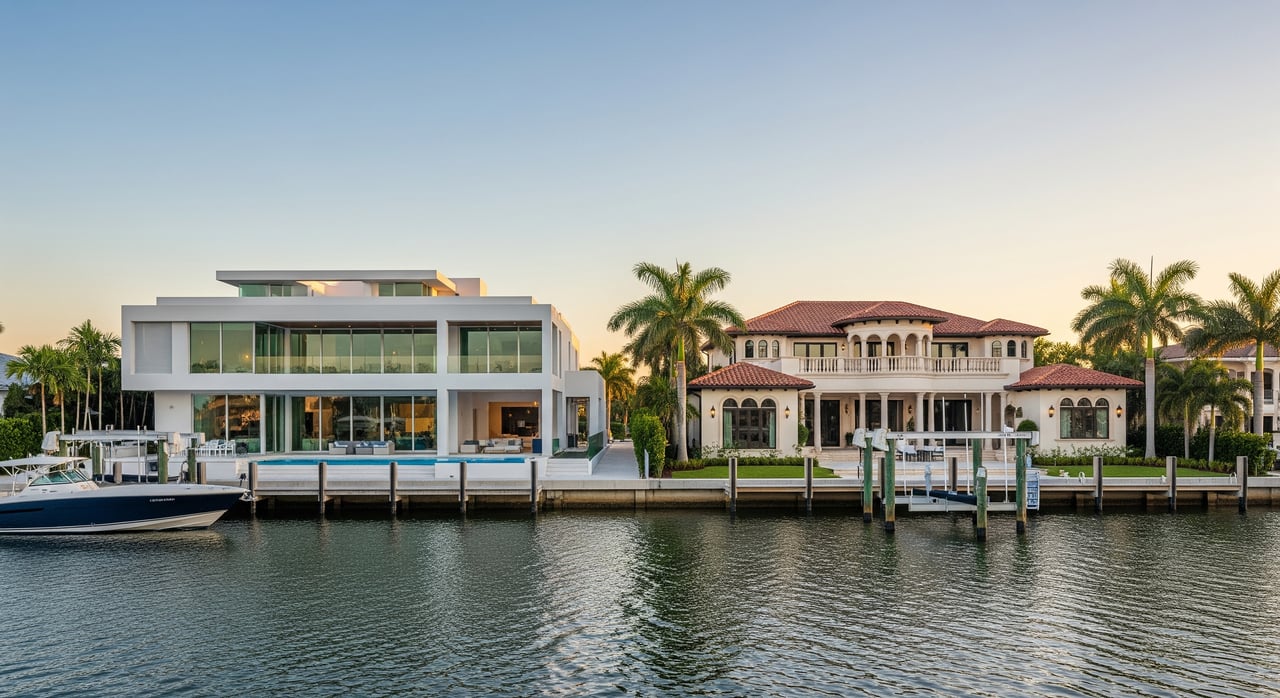
Is a brand-new waterfront home in Naples worth the wait, or does an established resale fit your lifestyle better right now? When you want Gulf access, a boat lift, and sunsets on the lanai, the decision can feel high stakes. You want the right look, smart resilience, and a clear financial path. This guide compares new construction and resale on the water in Naples so you can weigh timing, permitting, insurance, warranties, HOA dynamics, and long-term resale with confidence. Let’s dive in.
Quick snapshot: new vs resale
New construction
- Pros: modern floorplans, current Florida Building Code compliance, energy-efficient systems, 1–10 year builder warranties, and the option to integrate docks or lifts with permits.
- Cons: longer delivery time, higher land and build premiums, new-community feel without mature landscaping, and possible HOA or phased development uncertainty.
Resale
- Pros: immediate occupancy, established landscaping and neighborhood character, existing dock and access in many cases, and a track record for storms and maintenance.
- Cons: older systems, potential retrofits to meet current wind and flood standards, and hidden deferred maintenance on roofs, seawalls, or docks.
Timing and delivery
If you prioritize immediate waterfront living, resale often wins. A typical financed resale can close in 30 to 60 days after contract, plus a standard inspection period. Dock and shoreline due diligence usually fits within that window unless major repairs are found.
New construction takes longer, especially on the water. A custom waterfront build often requires 3 to 9 or more months for design and entitlements, another 3 to 9 months for permitting, and 9 to 18 or more months for construction. From lot purchase to move-in, expect 12 to 30 or more months. High-end condos and townhomes vary by project scale, often 12 to 36 months to delivery, with phased occupancy.
Seasonal weather, specialty materials, and marine work can add time. Coastal approvals for docks, lifts, and seawalls are common critical path items.
Coastal permitting basics
Waterfront properties in Collier County operate under layered rules. New builds must follow the current Florida Building Code for wind, structural, and energy requirements. Flood zones and elevation requirements flow from FEMA Flood Insurance Rate Maps and Base Flood Elevations.
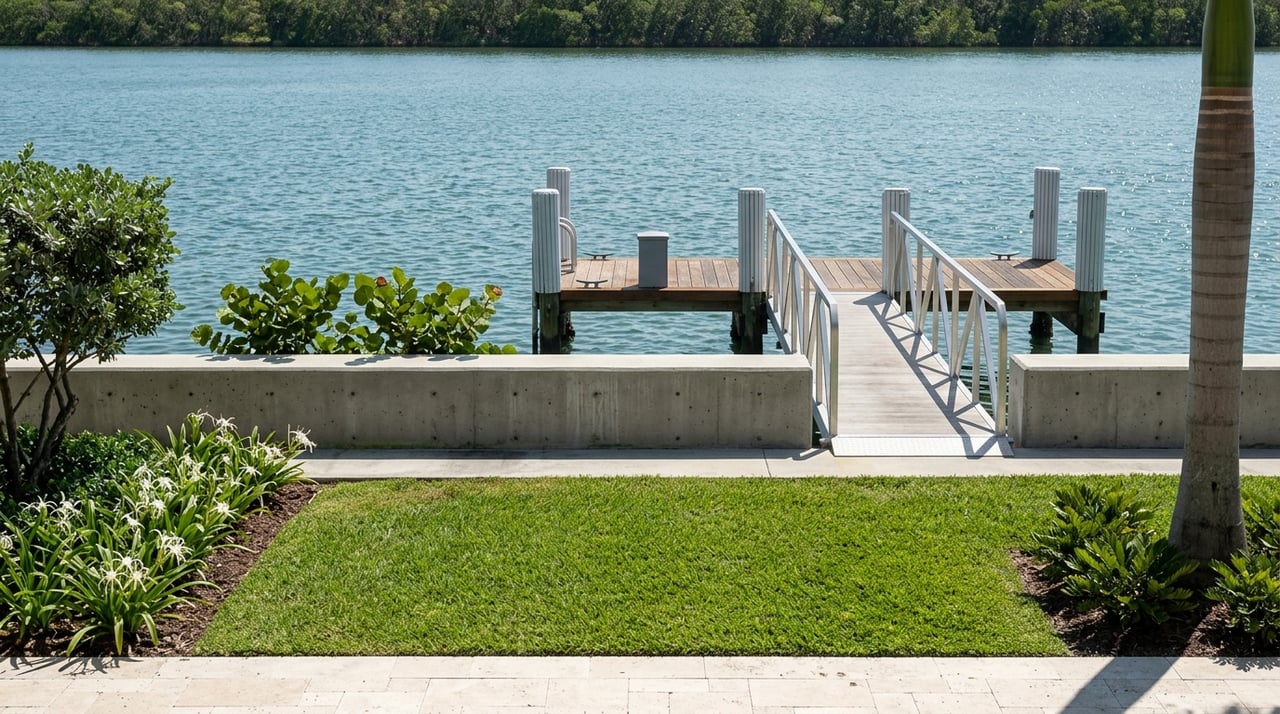
Water work can trigger multiple approvals. Seawall repairs, dock additions, dredging, or shoreline stabilization may involve the county, the Florida Department of Environmental Protection, and sometimes the U.S. Army Corps of Engineers. Environmental protections can apply to mangroves and wetlands.
- See the Florida Building Code overview at the Florida Building Commission.
- Check flood zones and BFEs through the FEMA Flood Map Service Center.
- Learn more about coastal and dock permitting at the Florida Department of Environmental Protection.
- For federal waters or wetlands work, review the U.S. Army Corps of Engineers.
Practical implications: new-build budgets should plan for engineered seawalls, site fills, special pilings, or rip-rap where required. Resale buyers should verify permits and maintenance history for seawalls and docks and confirm whether the parcel is in a VE zone with wave action requirements.
Insurance and financing
Waterfront insurance and loans come with added layers. If a property lies in a FEMA Special Flood Hazard Area, lenders usually require flood insurance. Wind or hurricane coverage often carries percentage deductibles. Buyers can sometimes reduce premiums through wind mitigation credits for impact windows, roof attachments, and elevated structures.
- For regulatory context and market conditions, see the Florida Office of Insurance Regulation.
Financing differences matter too:
- New construction: construction-to-permanent loans use staged draws and inspections. Some builders may offer incentives on spec homes.
- Condos: lenders look at project certification, investor ratios, insurance coverage, and delinquency rates. Newly delivered projects sometimes have limited eligibility for certain loan programs.
- Waterfront specifics: lenders may request seawall or erosion assessments and higher reserves due to risk.
Start insurance quotes and lender conversations early, especially for older seawalls or properties requiring flood coverage.
Warranties and inspections
New construction typically includes a 1-year limited warranty for workmanship and materials, a 2-year systems warranty for mechanical, electrical, and plumbing, and a structural warranty that can extend up to 10 years. Always request the written warranty and confirm whether a third party backs structural coverage. You can review common practices through NAHB guidance on builder warranties.
For new builds, consider third-party phase inspections alongside municipal inspections. Key stages include pre-drywall, framing, and mechanical rough-in. Confirm the Certificate of Occupancy and document punch-list items and warranty walk-throughs in writing.
For resales, order a full home inspection and marine-specific evaluations. That may include a seawall and dock assessment by a marine contractor or structural engineer, roof and HVAC inspections, a wind mitigation report, and an elevation certificate if you are in a flood zone.
HOA and condo dynamics
Waterfront HOAs and condos can look similar on the surface but differ on coverage and costs.
Insurance
- Condos usually carry a master policy for the building shell and common areas. Owners typically need an HO-6 policy for interiors and contents, plus flood coverage as required.
- Single-family homes in HOAs usually require the owner to insure the dwelling, including flood, while the HOA covers only common elements.
Reserves and assessments
- Newer associations sometimes start with lower reserves. Over time, waterfront communities face higher costs for seawall work, dredging, and marina upkeep. Review reserve studies, budgets, and assessment history.
Use and access
- Slip assignments, lift capacities, guest policies, and maintenance responsibilities should be clear in the CCRs and marina agreements. If you plan to expand a dock or add a lift, confirm whether rules and permits allow it.
Resale value in Naples
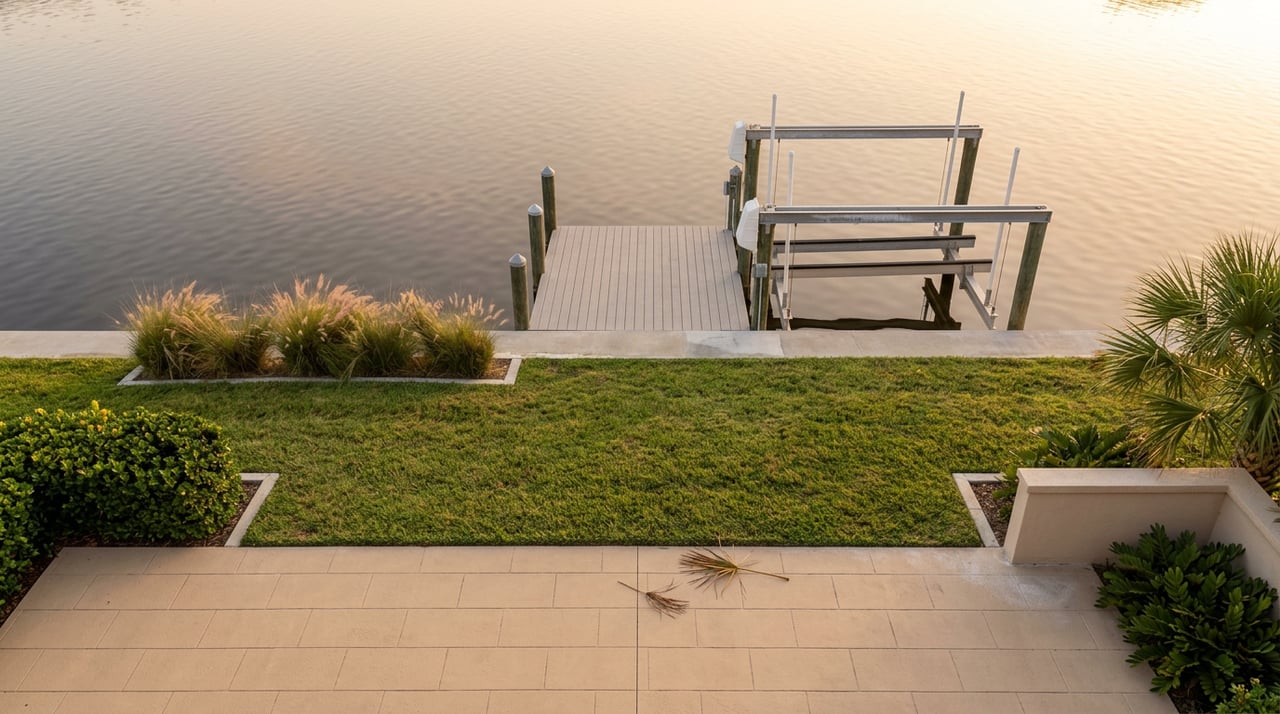
On the water, value tracks closely to access and infrastructure. Direct Gulf access without fixed bridges, depth for your boat draft, and protected slips tend to command premiums. Dock size and condition, seawall age, and whether docks or lifts are deeded or community assets also matter.
Neighborhood prestige and proximity to dining and culture influence pricing and liquidity. Areas like Port Royal, Aqualane Shores, and Old Naples are established names. New builds can shine when they deliver modern floorplans, impact-rated windows, updated mechanicals, and thoughtfully integrated marine features. Resales can compete strongly when they show documented storm performance, updated resiliency, and mature landscape appeal.
Two considerations to watch:
- Over-customization on a new build can narrow your eventual buyer pool.
- Resales with deferred marine maintenance can face price pressure once inspections reveal true costs.
Due diligence checklist
Use this list to streamline your evaluation:
Flood and site
- Confirm flood zone and Base Flood Elevation through FEMA. Request an elevation certificate.
- Determine whether the parcel sits in a VE zone and what that implies for construction and insurance.
Seawall and dock
- For resales: request permits, age, maintenance logs, and any repair invoices.
- For new builds: confirm dock and seawall permits, engineer of record, and approved designs.
Inspections and reports
- Full home inspection and specialized marine inspection.
- Wind mitigation report for insurance credits.
- Title review for riparian rights, littoral access, and easements affecting shoreline use.
Contracts and protections
- Permitting contingency for new construction.
- Inspection contingency for seawall and dock with a repair or credit path.
- Warranty documentation and any escrow for punch-list work.
- Insurance contingency to verify acceptable flood and wind coverage and costs.
Timeline and logistics
- Align your move-in timing with hurricane season realities and builder schedules.
- Confirm material lead times for impact windows, doors, and specialty finishes.
Choose your path
Choose resale if you want immediate waterfront living, an established neighborhood character, and known performance through prior storm cycles. Resale also helps you evaluate real-world water access, from bridge clearance to dredging patterns.
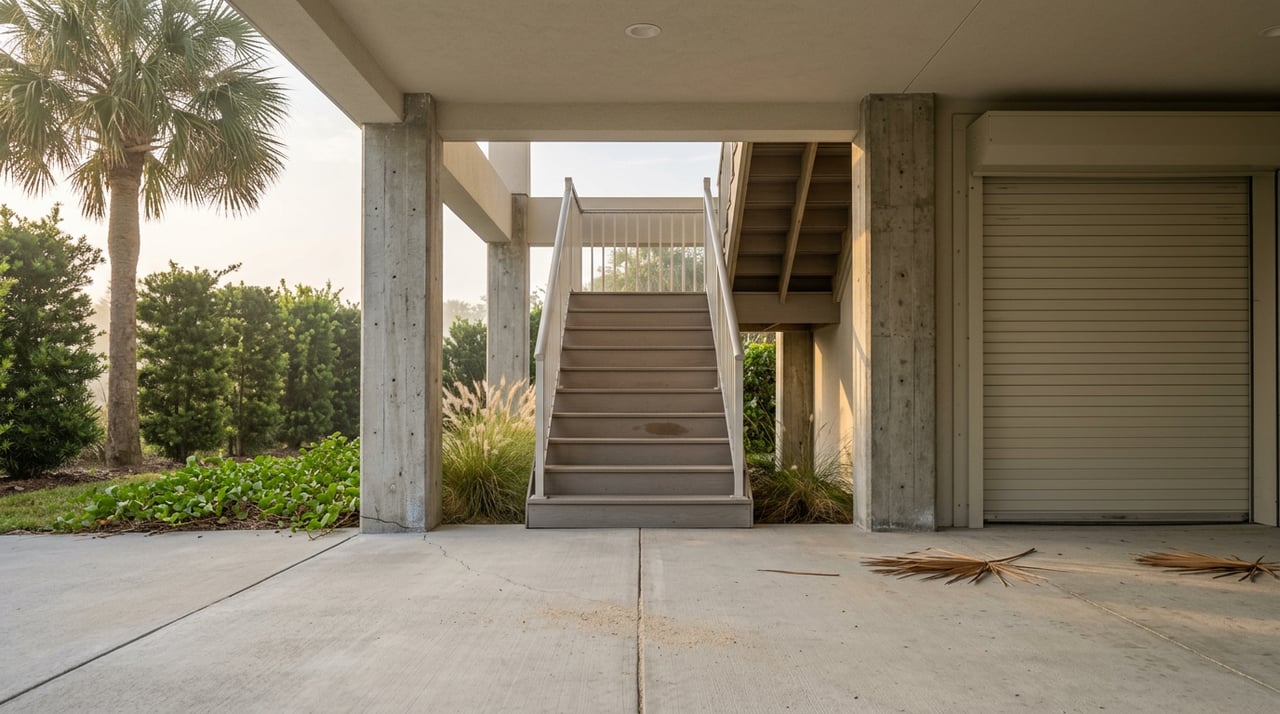
Choose new construction if you value modern layouts, design control, energy efficiency, and current wind and flood standards. New builds can integrate large docks, rebuilt seawalls, and elevated finished floors at the outset. Just plan for a longer runway and a disciplined permitting process.
Next steps
You do not need to pick a lane today. You can compare a curated mix of resales, premium spec builds, and build-ready lots to see what aligns with your lifestyle and timing. If privacy is a priority, off-market options can create breathing room while you evaluate the right move.
If you want a clear plan tailored to Naples waterfront, connect with Jodi Hanson for design-savvy buyer representation, new-construction advisory, and access to private listings.
FAQs
How long does a Naples waterfront new build usually take?
- Most buyers should plan for 12 to 30 or more months from lot purchase to move-in, including design, permitting, and construction.
What permits do I need for a new dock or lift in Collier County?
- Dock and lift work typically require county permits and may involve the Florida DEP and the U.S. Army Corps of Engineers depending on scope and location.
Are flood and wind policies required for Naples waterfront homes?
- Lenders usually require flood insurance in FEMA Special Flood Hazard Areas, and wind or hurricane coverage is standard for financed purchases in Florida.
What warranties come with a new waterfront home?
- Many builders offer a 1-year workmanship warranty, a 2-year systems warranty, and a structural warranty up to 10 years, with terms detailed in the written warranty.
How do HOAs and condos handle seawalls and marinas?
- It varies by community. Review the CCRs and budgets to see who maintains seawalls, dredging, and marina operations, and what reserves or assessments are planned.
Will a resale let me expand an existing dock later?
- Possibly. Expansions depend on local rules, setbacks, environmental protections, and approvals from permitting agencies, so verify feasibility early in due diligence.