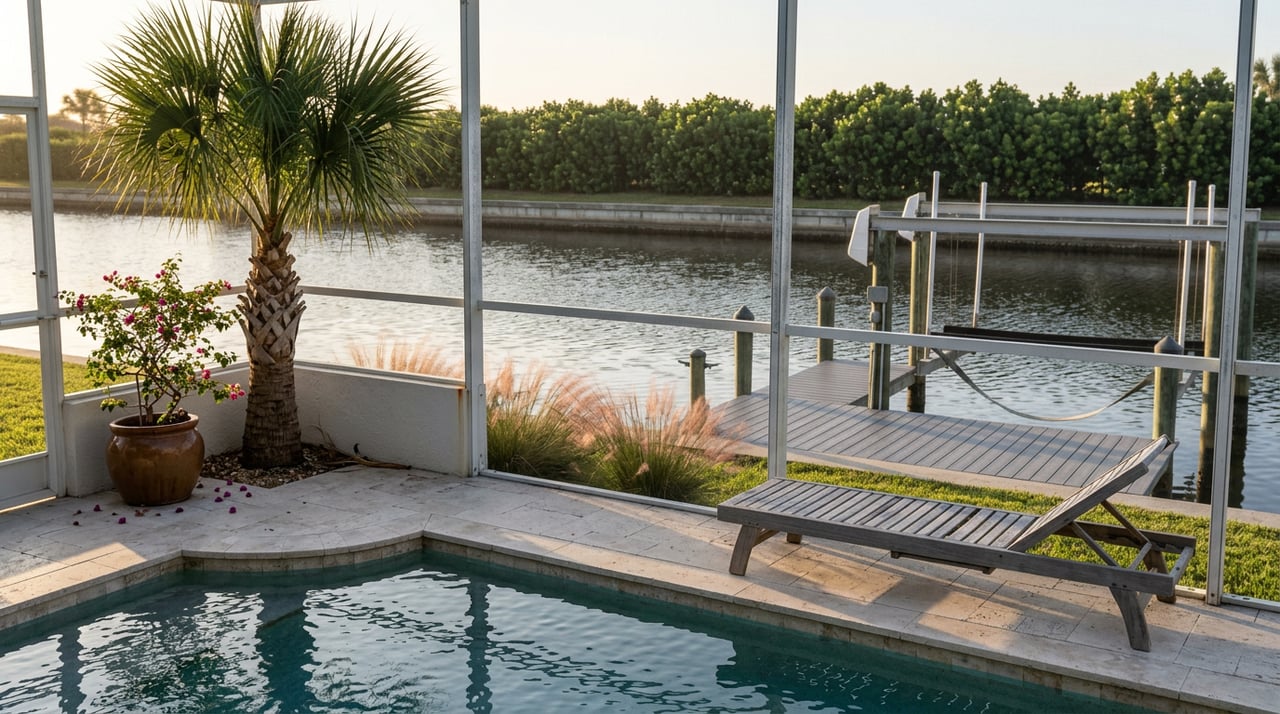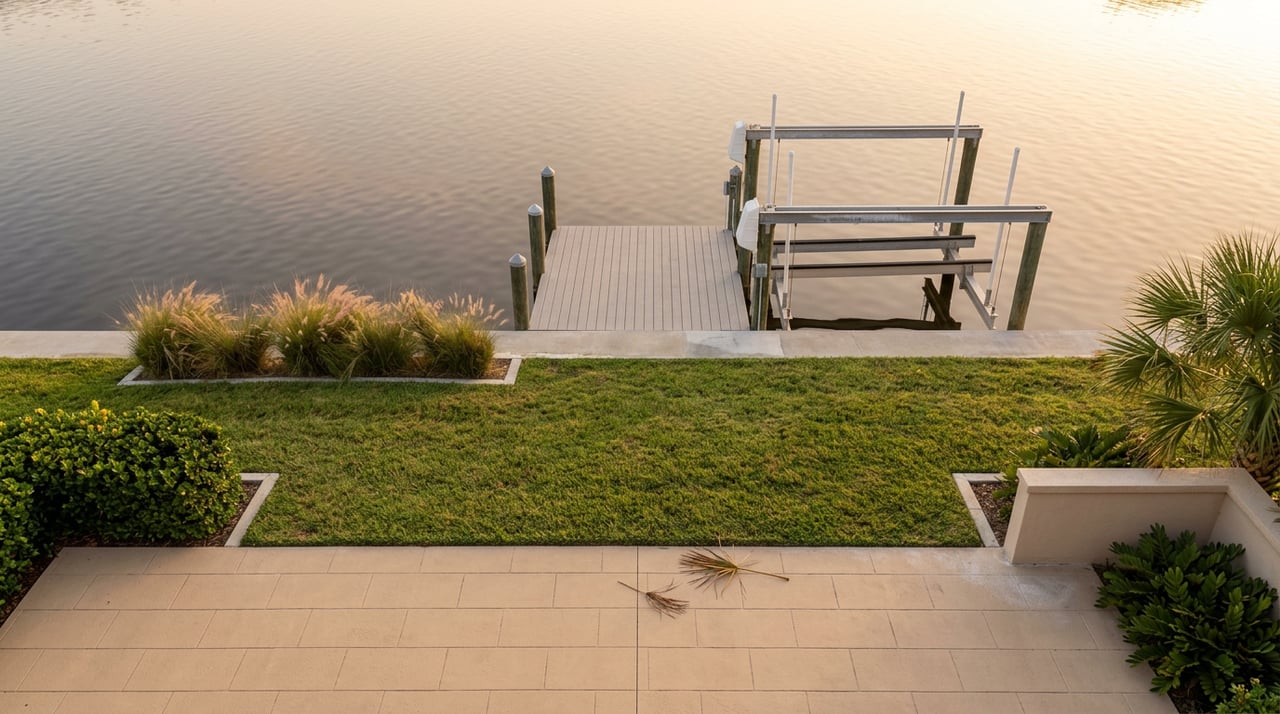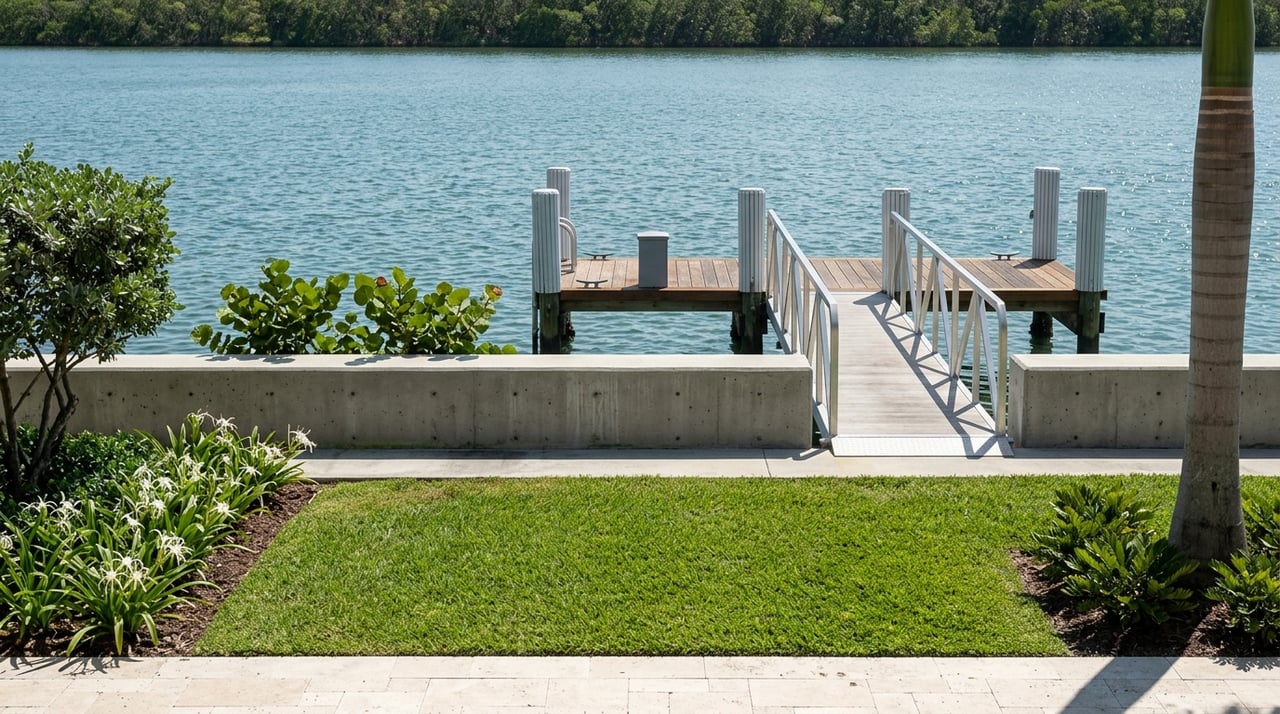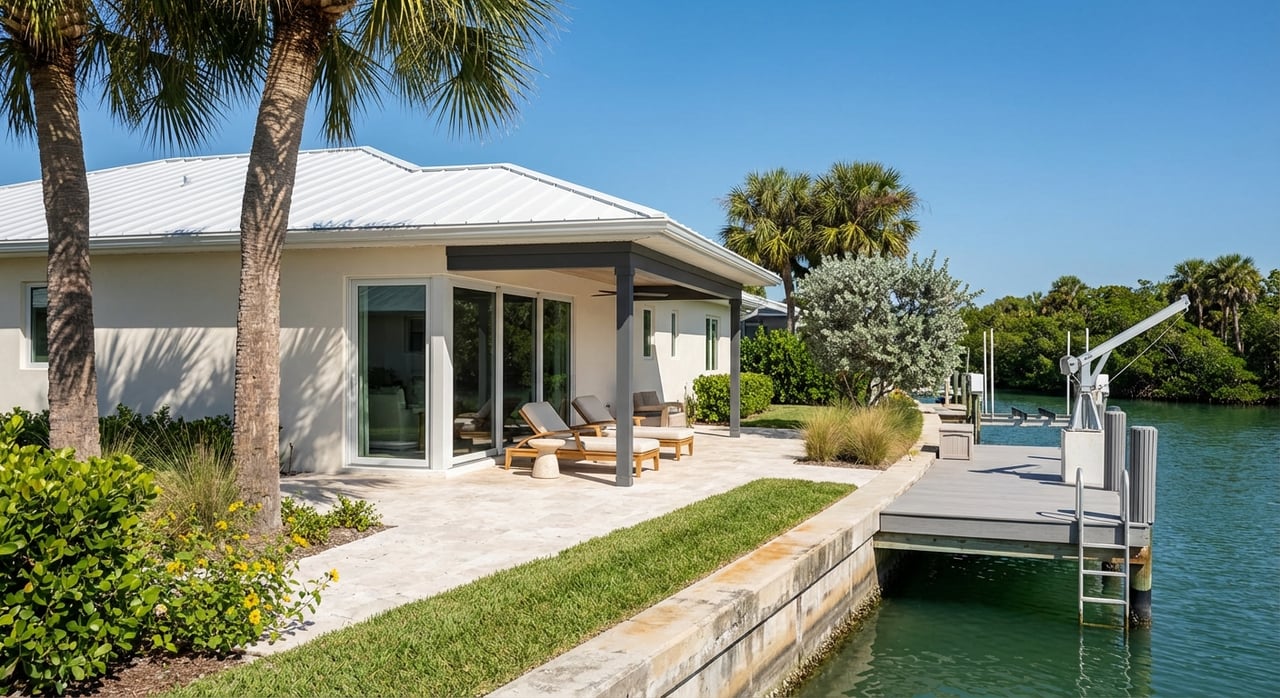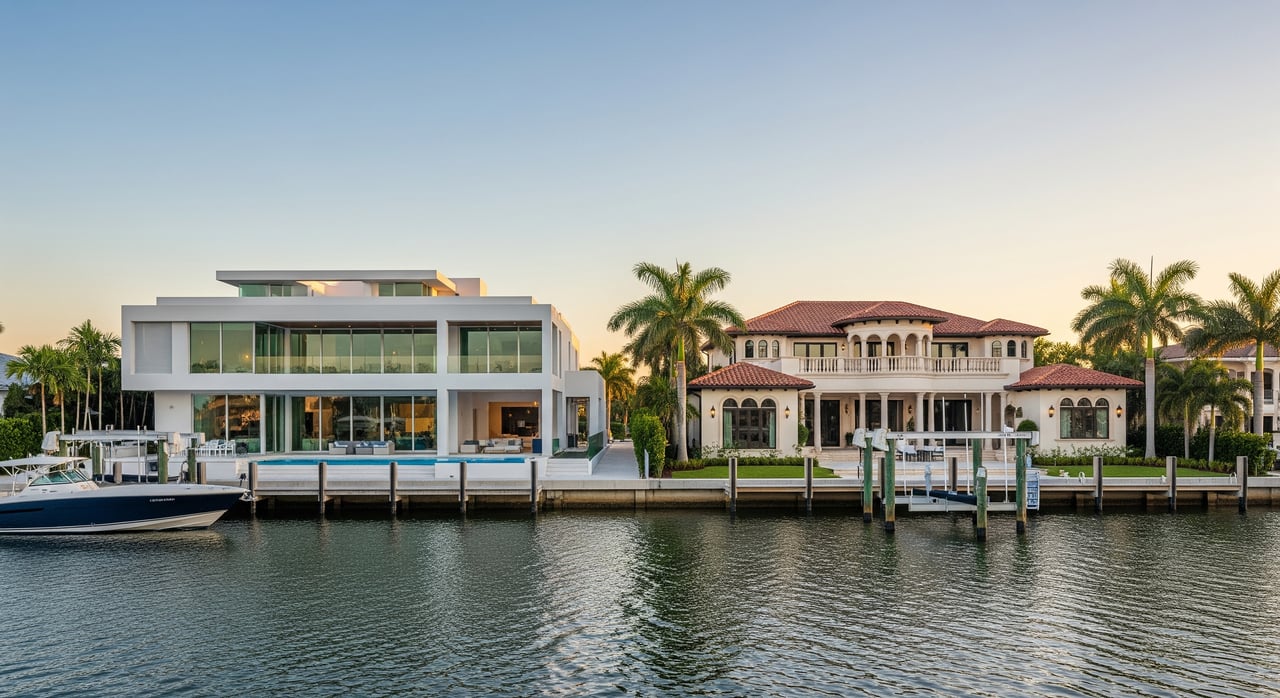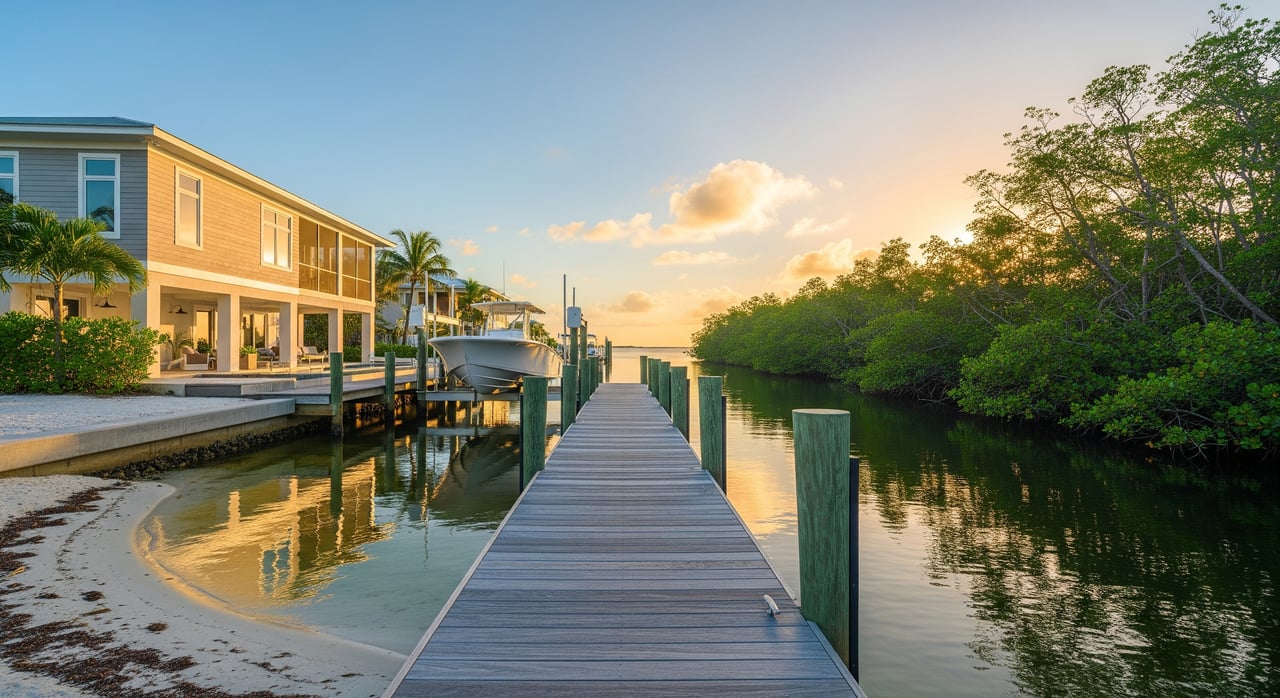
Planning a dock in Bonita Springs can feel simple until you hit permits, setbacks, and environmental rules. If you own or are buying on the water, you want a smooth process that protects your investment and the bay you love. In this guide, you’ll learn who regulates docks, what permits you may need, how setbacks work, and smart steps to keep your timeline on track. Let’s dive in.
Who regulates docks in Bonita Springs
Start local. If your property is inside city limits, the City of Bonita Springs issues building permits for docks, boat lifts, piers, and seawalls. You can confirm requirements and start a pre-application conversation with the City of Bonita Springs.
If your site is in unincorporated areas, permitting runs through Lee County. The county’s Community Development and Natural Resources teams handle local reviews and shoreline standards. Begin with Lee County Government to identify the right contacts.
At the state level, the Florida Department of Environmental Protection (FDEP) oversees structures over state-owned submerged lands and resources like seagrass and mangroves. Many coastal docks need FDEP authorization in addition to local permits. Learn more at the Florida Department of Environmental Protection.
Federally, the U.S. Army Corps of Engineers (USACE), Jacksonville District issues approvals for work in navigable waters under Sections 10 and 404. If any dredging or fill is proposed, you will likely interact with the Corps. See the USACE Jacksonville District.
Wildlife considerations are part of most waterfront projects. The Florida Fish and Wildlife Conservation Commission (FWC) provides rules and guidance for manatees, mangrove protection, and seasonal restrictions. Explore current guidance at the Florida Fish and Wildlife Conservation Commission.
Other resources sometimes involved include the Southwest Florida Water Management District for freshwater and hydrologic impacts and NOAA charts for navigation channels that affect allowable dock length. Check the Southwest Florida Water Management District and NOAA for planning context.
Permits you may need
Most Bonita Springs dock projects require some combination of these approvals:
- Local building permit from the City or Lee County for structural work and any electrical or mechanical components.
- FDEP authorization for sovereign submerged lands or Environmental Resource Permit components when seagrass, wetlands, or mangroves may be affected.
- USACE authorization under Section 10 and possibly Section 404 for work in navigable waters and any dredge or fill activities.
- Mangrove trimming or removal approvals, with avoidance or mitigation requirements.
- Local shoreline or environmental resource permits for seawalls, stabilization, or dredging.
- Electrical and mechanical permits for boat lifts, lighting, or utilities.
A short pre-application with your local office helps confirm exactly which state and federal reviews will be needed.
What your application includes
Your permit package will typically include:
- Proof of ownership with a legal description and recent survey showing the mean high-water line
- A scaled site plan with property lines, existing seawall, proposed dock footprint, distances to adjacent docks, and to marked channels
- Construction drawings detailing dimensions, materials, piles, floats, utilities, and anchoring
- Environmental surveys that identify seagrass, mangroves, and any listed species habitat
- Engineering details if modifying a seawall or affecting shoreline stability
- Contractor license and insurance documentation
Complete, accurate submittals reduce re-reviews and keep your timeline moving.
Timelines and sequencing
Review times vary based on scope and environmental sensitivity:
- Local building permit: weeks to a few months, depending on completeness and complexity.
- FDEP review: often a few months. Projects affecting seagrass or mangroves can take longer or require mitigation.
- USACE review: commonly 60 to 120 days for standard reviews, longer if broader environmental review is needed.
State and federal coordination can extend the calendar, and seasonal protections for species may limit when in-water work can occur. A pre-application meeting and a complete package are the best ways to reduce delays.
Setbacks and environmental basics
There is no single statewide setback number. Setbacks and allowed dock size depend on the specific waterbody, adjacent property conditions, and local code. To confirm what applies to your parcel, contact the City of Bonita Springs or Lee County, then review the state and federal context through FDEP and the USACE Jacksonville District.
Here are the key factors that often shape dock placement in Bonita Springs:
- Seagrass and sovereign submerged lands: Much of the bay bottom is state-owned and may host protected seagrass. Designs that minimize shading and bottom disturbance, such as elevated open-pile docks or appropriate floating elements, are often preferred.
- Mangroves and shoreline vegetation: Mangroves are protected and require permits to trim or remove. Setbacks from mangrove buffers may apply and mitigation could be required.
- Riparian rights and lateral boundaries: Your right to access water is balanced with neighbors’ rights and navigation safety. The lateral footprint and seaward extension can be limited by adjacent docks and channel rules.
- Distances to channels and clearances: Placement must preserve safe navigation. Review local channel markers and federal project boundaries using NOAA charts.
- Protected species and timing: Manatees, sea turtles, and shorebirds can trigger seasonal timing windows or protective measures. The FWC provides current guidance.
Because every shoreline is different, get a current survey and discuss setbacks with local staff early.
Hiring the right marine contractor
The contractor you choose can make or break your timeline. Focus on:
- Licensing and insurance: Verify an active Florida license through the Florida Department of Business & Professional Regulation. Request proof of General Liability and Workers’ Compensation.
- Relevant experience: Look for documented Bonita Springs or Lee County projects in the past three to five years and ask for photos and references.
- Permitting capability: Prefer teams that prepare full permit packages and coordinate with FDEP, USACE, and local reviewers.
Before you sign, confirm:
- A survey will be used to fix boundaries and the mean high-water line
- The scope clearly states who pulls each permit and who handles mitigation if it is required
- Environmental conditions will be followed, including turbidity control and mangrove protection
- A realistic schedule that accounts for review times and seasonal windows
Red flags include contractors who refuse to share license or insurance, suggest skipping permits, or give vague answers about who manages approvals.
A simple plan for your property
- Confirm jurisdiction: City of Bonita Springs or unincorporated Lee County.
- Order a recent boundary and mean high-water survey.
- Request a pre-application review with your local permitting office.
- Commission a seagrass and mangrove assessment if your dock extends over submerged lands.
- Interview two to three experienced marine contractors and compare timelines and permitting approach.
- Build a budget and schedule that accounts for reviews, mitigation, and seasonal restrictions.
When you want a waterfront that complements your lifestyle and protects resale value, thoughtful planning is the best investment. If you would like help aligning your dock plans with your property search or sale strategy, connect with Jodi Hanson for curated local guidance.
FAQs
How far a dock can extend in Bonita Springs
- It depends on local code, environmental resources like seagrass and mangroves, and proximity to navigation channels; start with a local pre-application and a current survey.
Whether state approval is needed if the city approves
- Often yes. Many coastal docks extend over state-owned submerged lands and require FDEP authorization in addition to local permits.
If a floating dock avoids permit requirements
- No. Floating docks in tidal waters usually still need permits because they can affect seagrass and navigation.
Typical permitting timelines for docks
- Local permits can take weeks to a few months, while state and federal reviews often run several months; complex projects can take longer.
Ways to reduce dock permitting time
- Submit a complete package, use an experienced marine contractor or permit expediter, and plan in-water work outside restricted seasons when possible.