If you are eyeing a Fort Myers riverfront home as an investment, the biggest mistake is treating it like any other house with a water view. Riverfront value here is shaped by a specific mix of site details, public regulations, downtown access, and boating utility that can change the investment story from one parcel to the next. If you want to buy with more confidence, this guide will help you think through what really matters before you make a move. Let’s dive in.
Why Fort Myers Riverfront Stands Apart
Fort Myers and Lee County offer a useful starting point for market context, but they are not enough on their own to value true riverfront property. In March 2026, the median sale price was $362,000 in Fort Myers and $359,999 in Lee County, with average market times of about 80 and 78 days. Those numbers show the broader market baseline, not the pricing logic for a Caloosahatchee riverfront home.
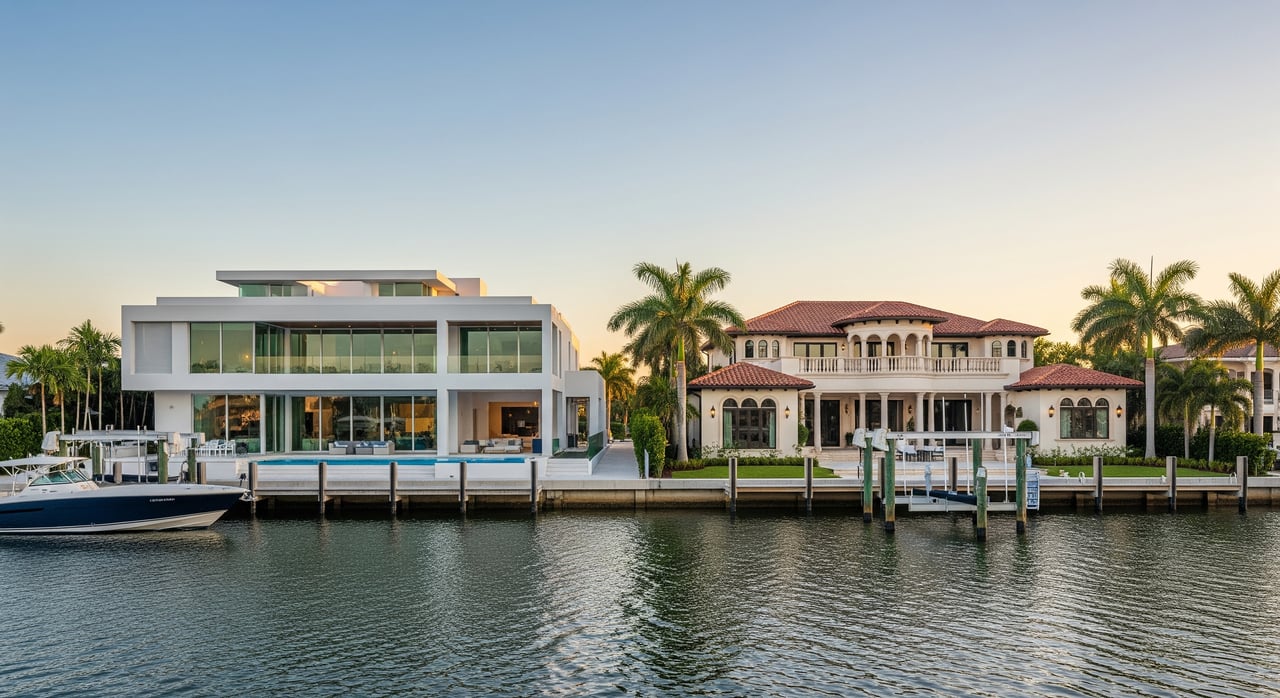
For an investment-minded buyer, riverfront homes should be compared against other waterfront properties and parcel-level public records. A broad city median can help you understand the market floor, but it does not capture view corridors, dock potential, shoreline condition, or downtown access. In other words, the riverfront premium is highly property specific.
What Drives Investment Value
River views and downtown access
Part of Fort Myers riverfront appeal comes from how closely the waterfront connects to the city’s urban core. Centennial Park sits on the Caloosahatchee and includes boat docks, a fishing pier, and a launching ramp. The River District also hosts recurring events like Art Walk and Music Walk, while the city’s five-year capital plan includes River District Gateway work, Edison Innovation Walk, underpass improvements, and Caloosahatchee Bridge lighting.
For you as a buyer, that means lifestyle value is not just about being on the water. A parcel with a cleaner view corridor and easier access to downtown riverfront amenities may offer a stronger long-term appeal than an inland home at a similar price point. That does not guarantee future performance, but it does help explain why some riverfront homes command stronger buyer interest.
Boating access matters, but so do the rules
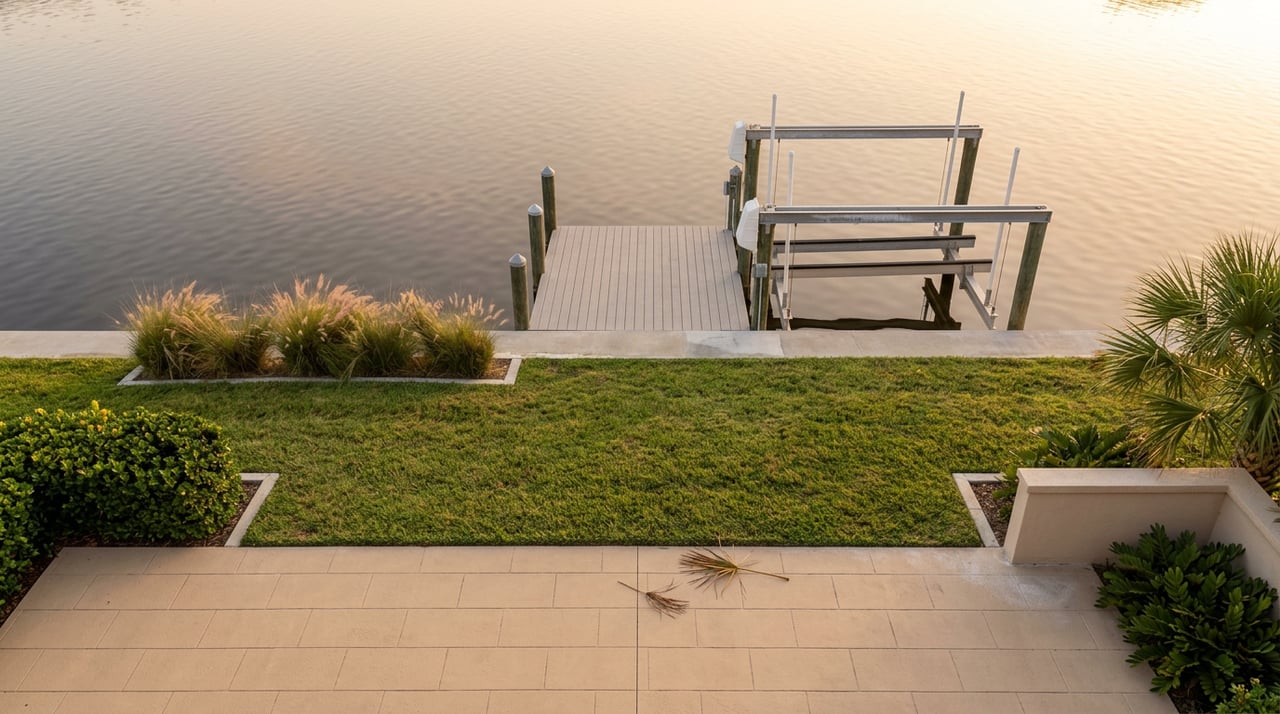
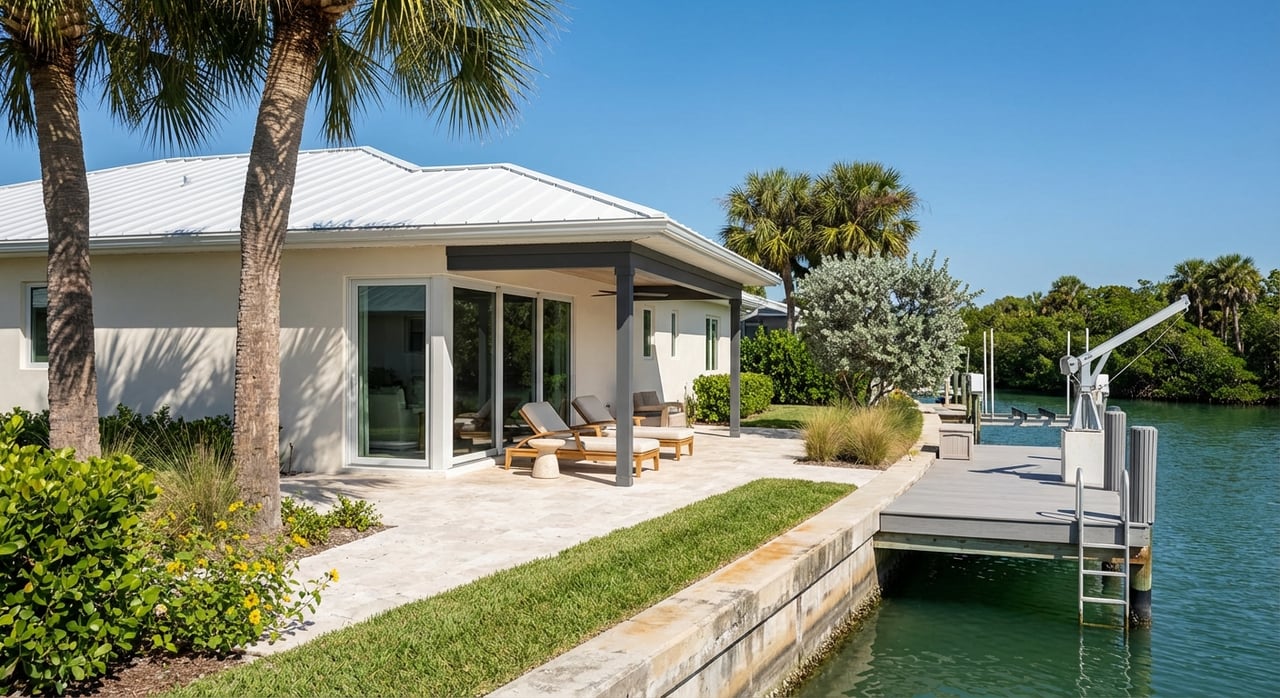
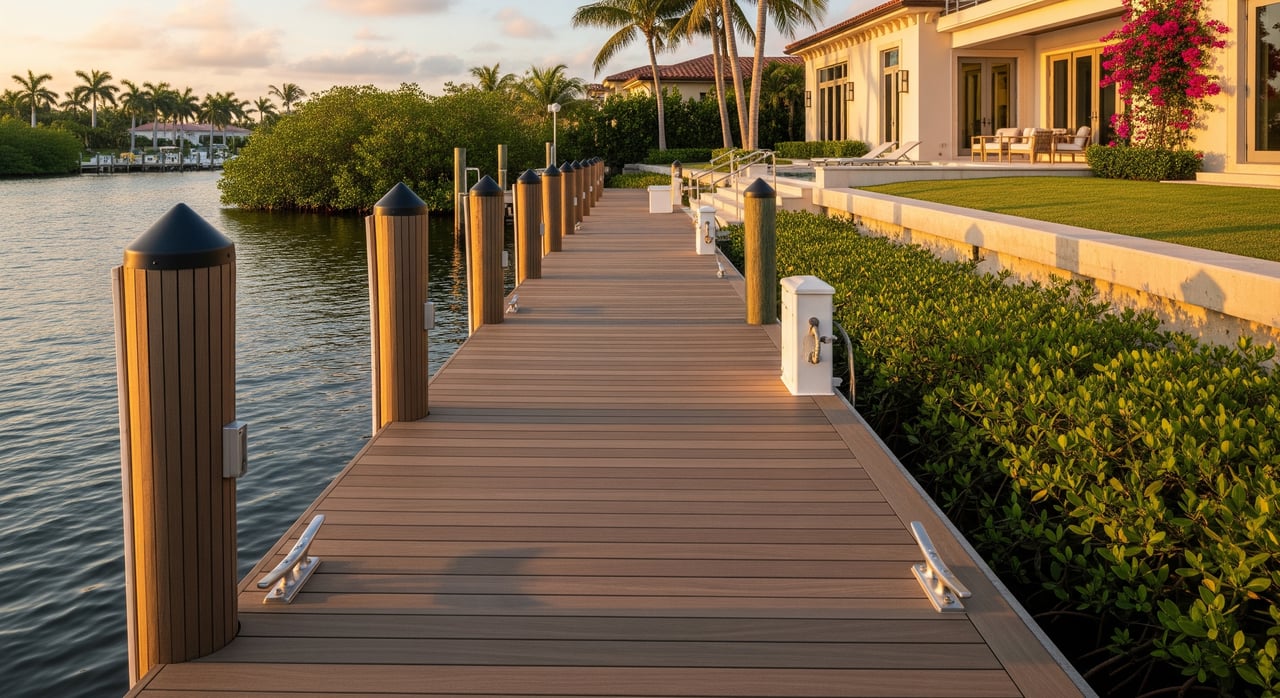
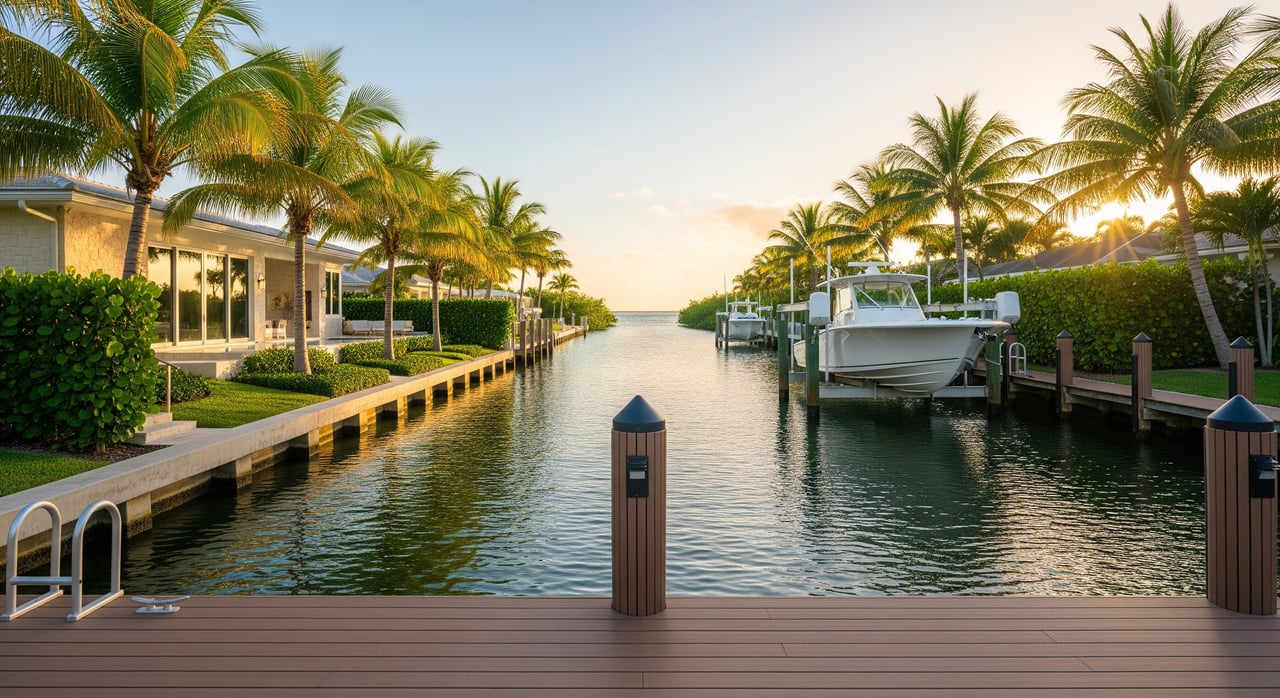
Boating utility is a real value driver along the Caloosahatchee. At the same time, Fort Myers policies make it clear that waterfront use is regulated, with attention to water-dependent uses, manatee-protection programs, and reduced-speed boat zones. So while a dock or lift can add meaningful utility, it is not a simple checkbox.
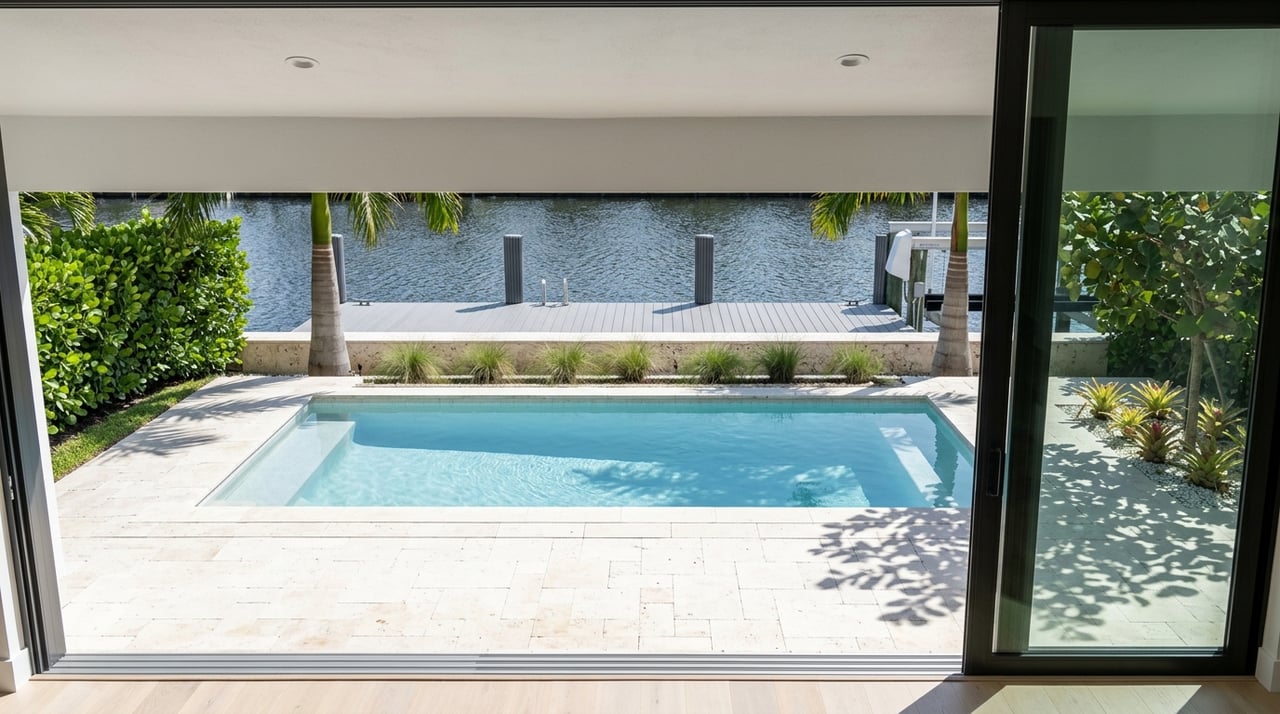
You should look closely at how the property actually functions on the water. A home may be marketed as riverfront, but the practical value can vary based on shoreline layout, dock setup, and how local rules affect water use. That makes due diligence especially important if boating access is part of your investment thesis.
Lot orientation and parcel shape
On riverfront property, lot orientation is about more than north, south, east, or west. What matters is how the parcel captures views, privacy, sunlight, circulation, and dock placement. City site-plan materials highlight practical factors like setbacks, seawalls, utility placement, and circulation, which helps explain why two homes with similar frontage may perform very differently.
This is where disciplined analysis can uncover hidden value or hidden cost. A wider lot, a more usable shoreline layout, or a better-positioned homesite can affect enjoyment today and resale appeal later. Small physical differences often carry outsized impact on waterfront property.
Seawall, flood exposure, and ownership costs
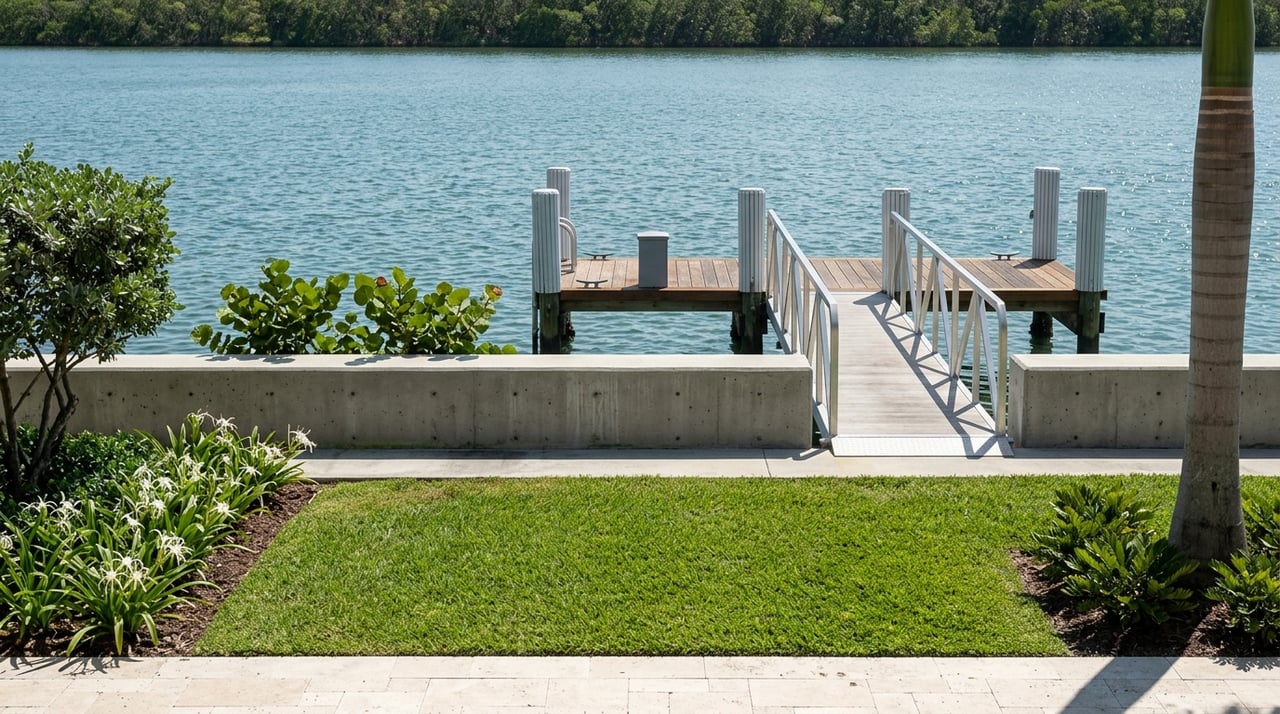
One of the most important investment questions is not what you see from the living room. It is what you may need to maintain, insure, or improve after closing. Fort Myers policy addresses seawalls and shoreline treatment, and the city also follows FEMA floodplain rules, with Flood Insurance Rate Maps defining special flood-hazard areas and floodways.
That means you should treat seawall condition, elevation, flood-zone status, and insurance costs as part of your total acquisition cost. These are not side notes. On riverfront homes, they can materially affect both your carrying costs and your future resale position.
How to Analyze a Riverfront Home Like an Investor
Start with parcel-level records
The City of Fort Myers Planning Division handles zoning, comprehensive planning, and the land-development code, while the city GIS system maintains zoning and future land-use maps. Because the land-development code applies to all land and water areas within city limits, you should verify each parcel directly rather than rely on neighborhood labels or listing language.
That parcel-first approach helps you avoid broad assumptions. A home may sit in an area with a riverfront identity, but zoning, future land use, and physical site conditions still need to be confirmed at the property level. On waterfront real estate, details matter.
Check downtown review and overlay issues
If a property is in the Downtown Redevelopment Area, the review process can become more detailed for new construction or major redevelopment. The Downtown Smart Code requires site-plan and architectural review for most new projects, and proposals seeking bonus density or additional height may need to go through a PUD process. Single-family residential development is listed as an exemption, but larger redevelopment plans can face a deeper public-review path.
For an investor, this matters most when the opportunity includes expansion, redevelopment, or a major repositioning strategy. What looks simple on paper may involve more review than expected. Before you underwrite upside, verify what the site can realistically support.
Build a stronger comp set
Lee County public records are a valuable tool when you want a more defensible pricing picture. The Property Appraiser’s real-property search includes ownership, sales history, land and building details, aerial photography, and TRIM notices. The Sales List Generator can also filter sales by area, date, and property type.
There is one practical note to keep in mind. The county says sale data can lag by 4 to 6 weeks after recording, so your comp set may need adjustment for timing. If you are analyzing a fast-moving segment of the market, this lag can affect how current your pricing picture really is.
Key Questions Before You Buy
A smart riverfront purchase starts with the right questions. Before you move forward, make sure you understand:
- Whether the parcel sits in a special flood-hazard area or floodway
- Whether an elevation certificate or other flood information is available
- Whether the seawall is permitted and structurally sound
- Whether the shoreline layout allows for a dock, lift, or useful water access
- Whether the property is inside the Downtown Redevelopment Area or another overlay
- What nearby riverfront and non-waterfront comparables show over the last 12 months
- How much of the value comes from the riverfront itself versus access to Centennial Park, the River District, and downtown improvements
These questions help you move beyond surface-level marketing. They also help you separate a compelling waterfront lifestyle purchase from a well-supported investment decision.
Fort Myers vs. Cape Coral for Waterfront Investors
Cape Coral is the clearest nearby comparison because its waterfront identity is built around canals. The city describes its 400-mile canal system as an economic asset that supports waterfront living, recreation, flood protection, property values, and irrigation. It is also advancing a citywide dredging program focused on long-term waterway health and resilience.
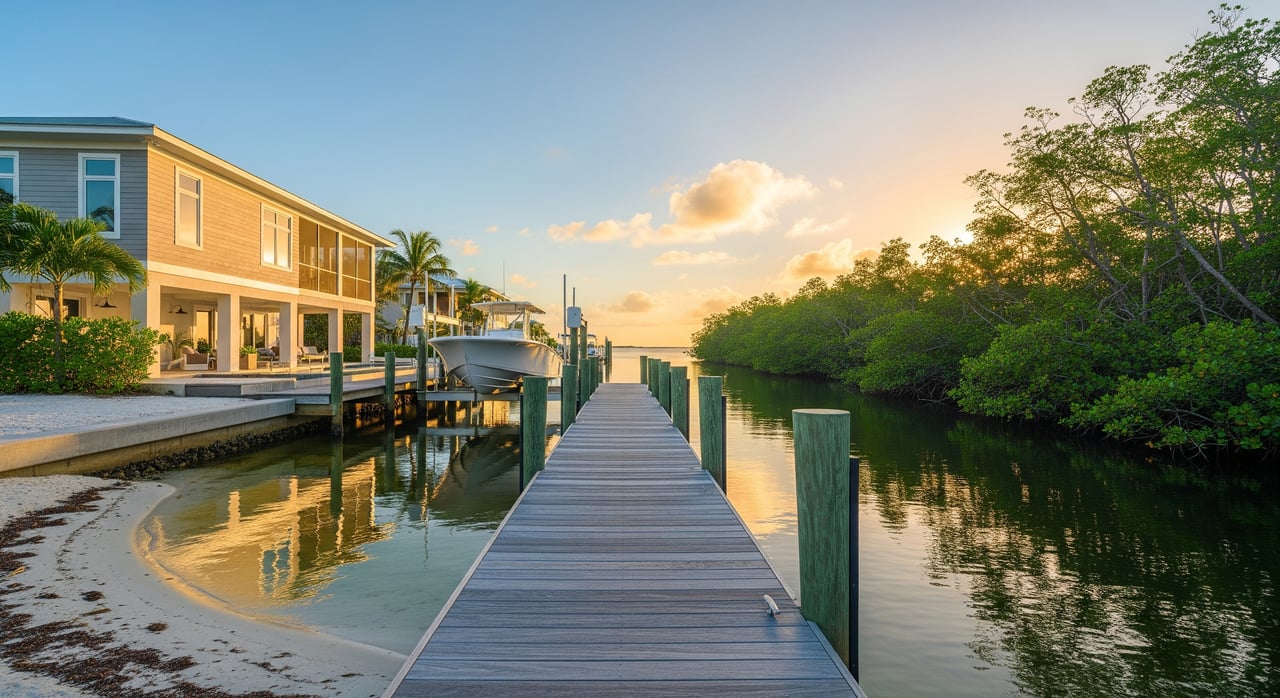
Compared with Cape Coral, Fort Myers riverfront generally offers broader river views, closer downtown proximity, and a more urban amenity mix. Cape Coral often offers more canal inventory and more boating-oriented utility. For you as a buyer, the better fit depends on whether you value open-water views and urban access more than canal availability and boating variety.
Why a Disciplined Strategy Matters
Riverfront homes can be compelling investments, but they reward precision. A broad market average will not tell you enough, and a beautiful view alone should not drive your decision. The strongest analysis balances lifestyle appeal with hard property facts such as zoning, flood exposure, seawall condition, water access, and truly comparable sales.
That is especially true in a market like Fort Myers, where each parcel can tell a different financial story. A thoughtful buying strategy helps you see where value is supported, where risk may be underestimated, and where a property’s setting can create a stronger long-term position.
If you want a polished, investor-aware perspective on Fort Myers riverfront opportunities, Jodi Hanson offers curated guidance grounded in market discipline, design insight, and local waterfront experience.
FAQs
What makes Fort Myers riverfront homes different from other Fort Myers properties as investments?
- Fort Myers riverfront homes should be evaluated against waterfront comparables and parcel-specific records because views, boating utility, seawall condition, flood exposure, and downtown access can affect value in ways citywide median pricing cannot capture.
What should you review before buying a Fort Myers riverfront home?
- You should review flood-zone status, seawall condition, shoreline layout, dock potential, parcel-level zoning, any downtown redevelopment overlays, and recent comparable sales from Lee County public records.
How important is boating access for a Fort Myers riverfront investment?
- Boating access can be a major value driver, but its usefulness depends on the actual dock setup, shoreline conditions, and local water-use rules rather than the property simply being located on the river.
Are Fort Myers riverfront homes valued mostly for the water?
- Not always. Some of the value may also come from access to Centennial Park, the River District, public riverfront amenities, and planned downtown improvements that support the overall lifestyle appeal.
How does Fort Myers compare with Cape Coral for waterfront buyers?
- Fort Myers riverfront typically offers broader river views, closer access to downtown, and a more urban waterfront setting, while Cape Coral generally offers more canal inventory and stronger canal-based boating utility.
Why do parcel details matter so much for Fort Myers riverfront homes?
- Parcel details matter because orientation, setbacks, seawall placement, utilities, and shoreline geometry can change how a property functions, what it costs to own, and how buyers may value it at resale.