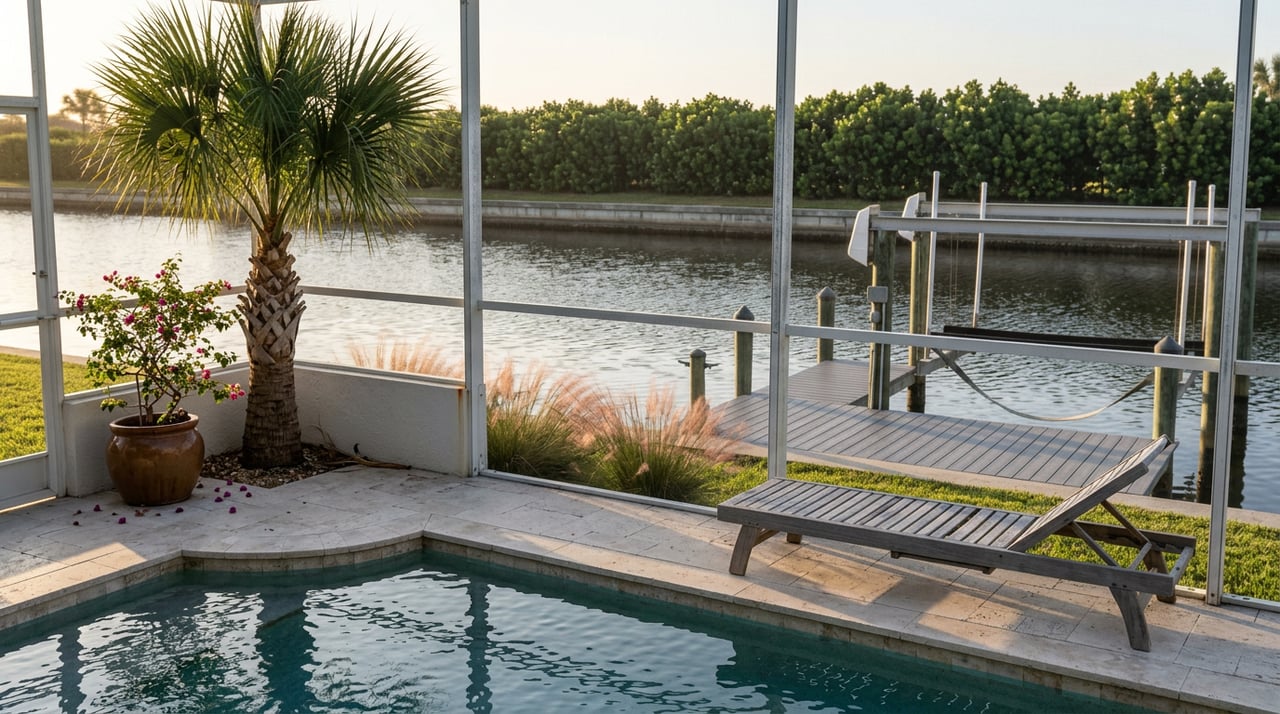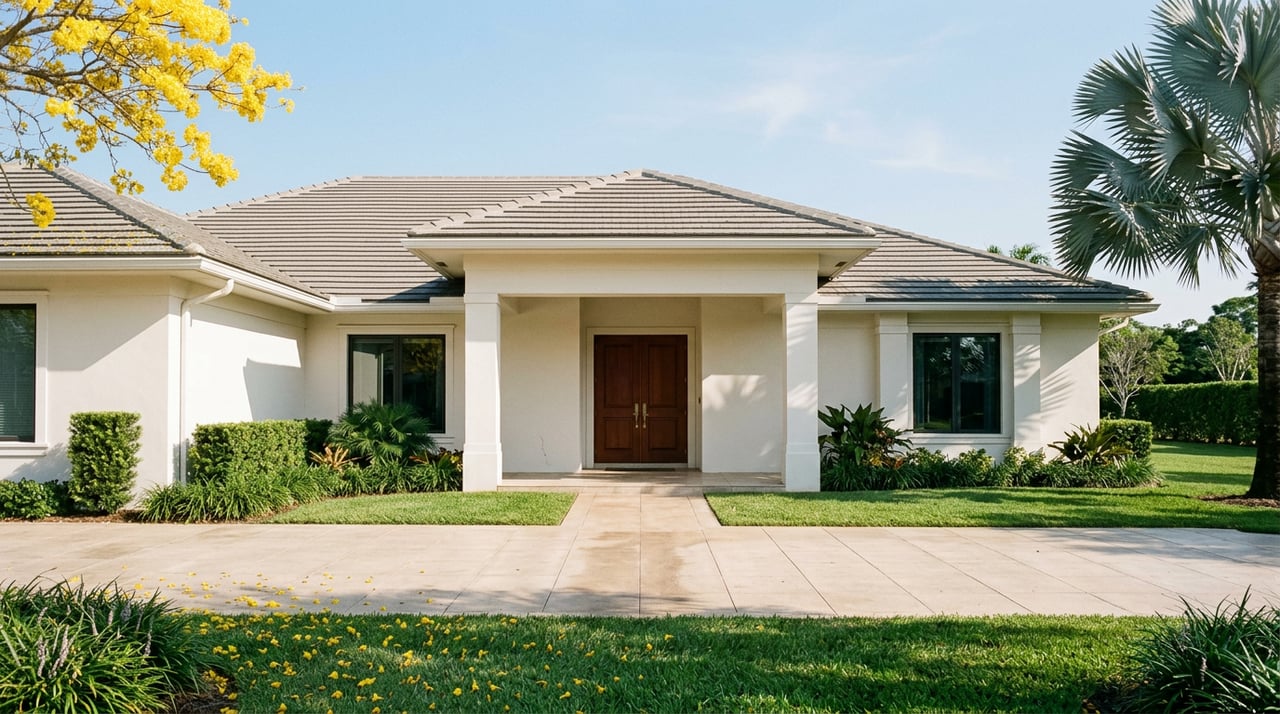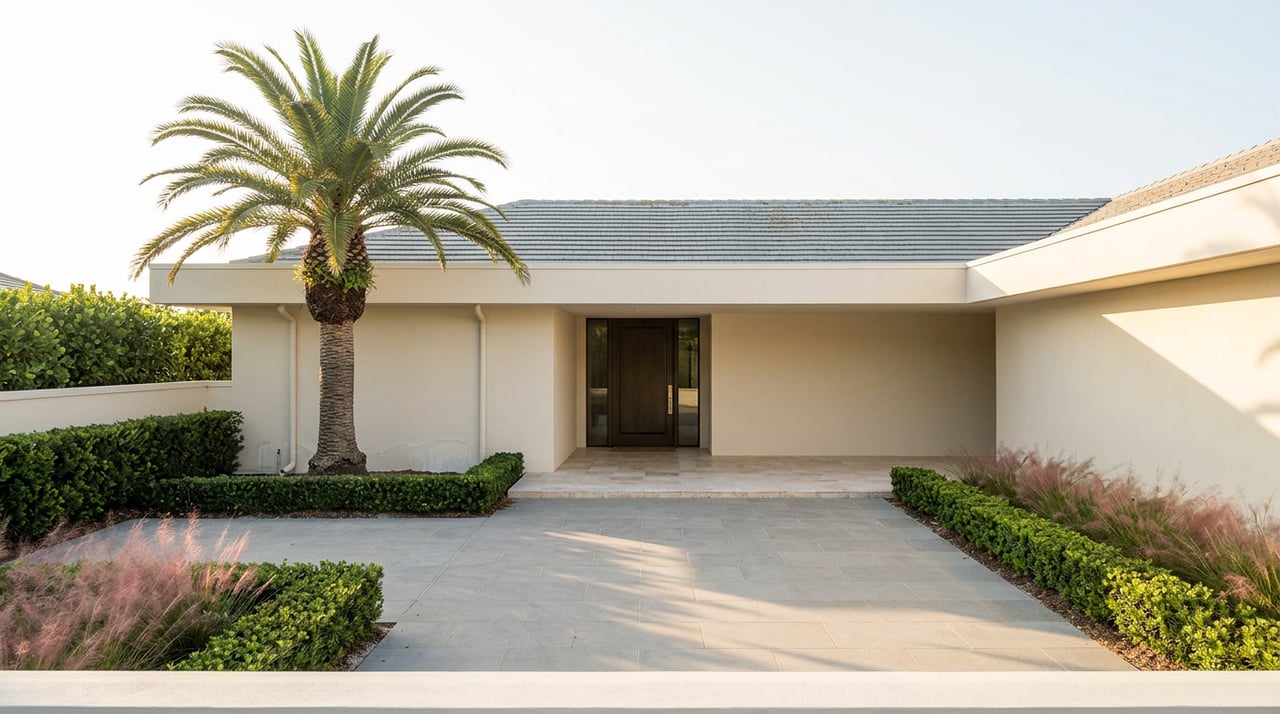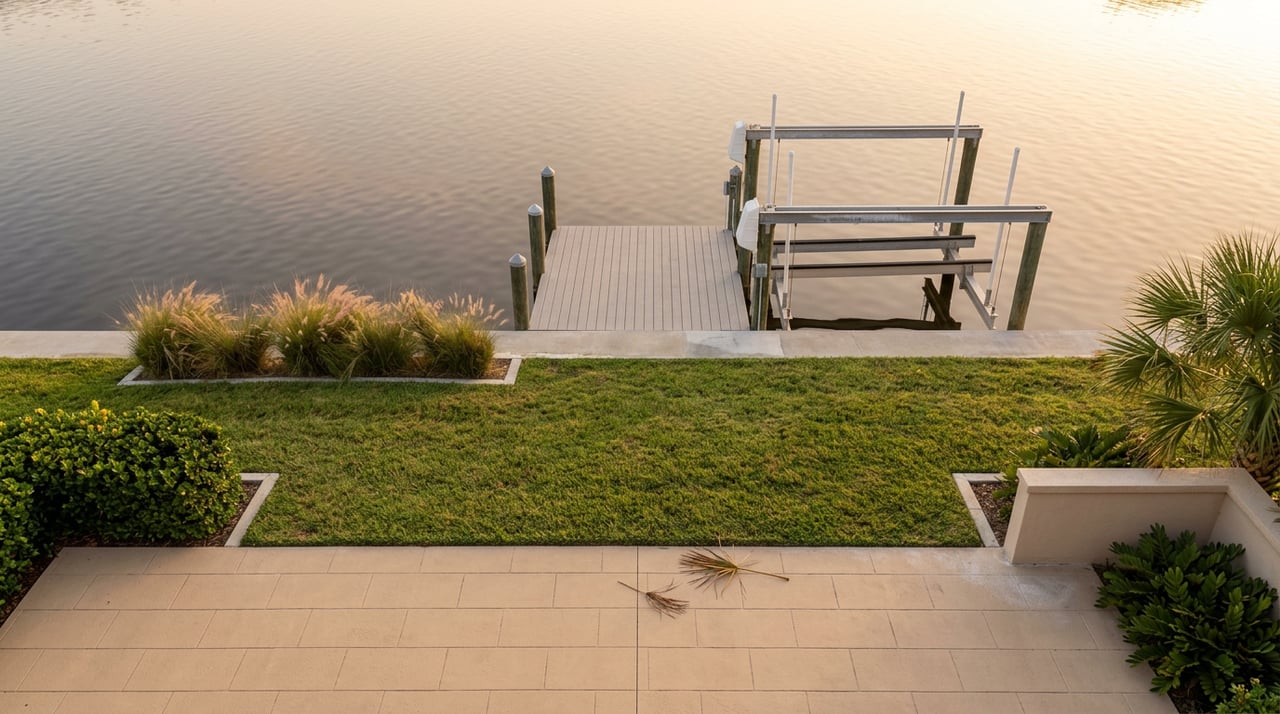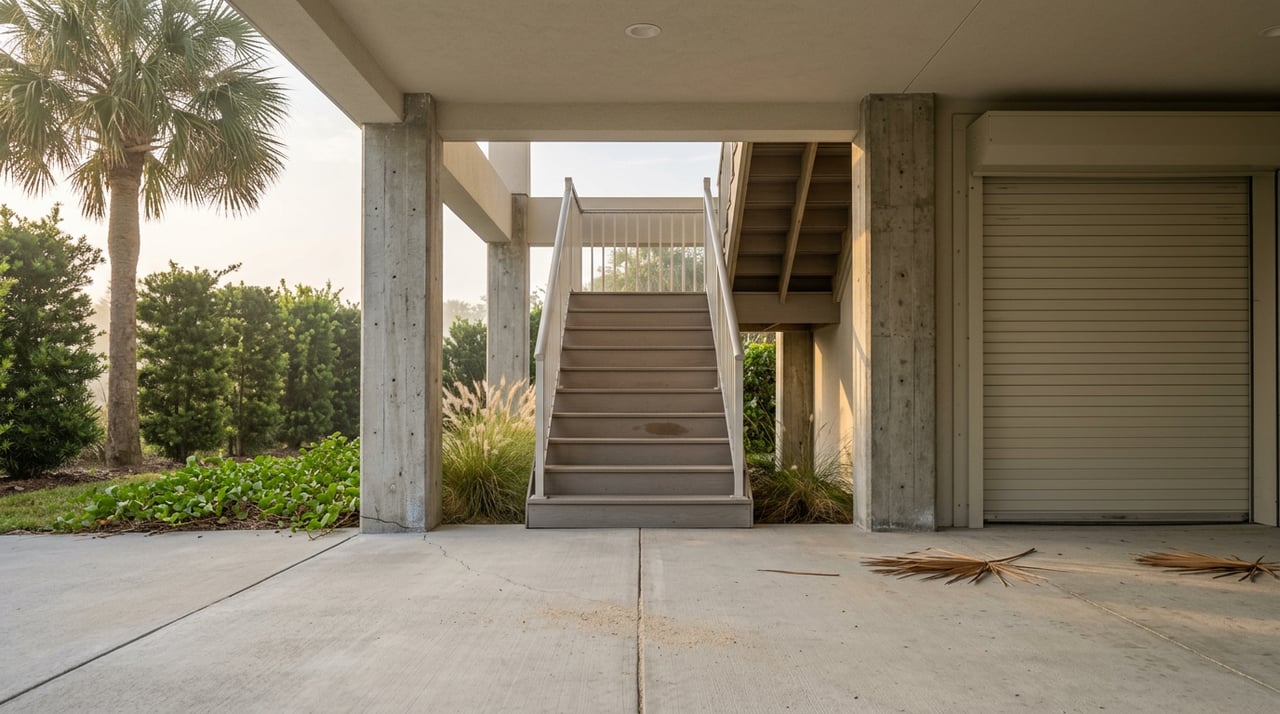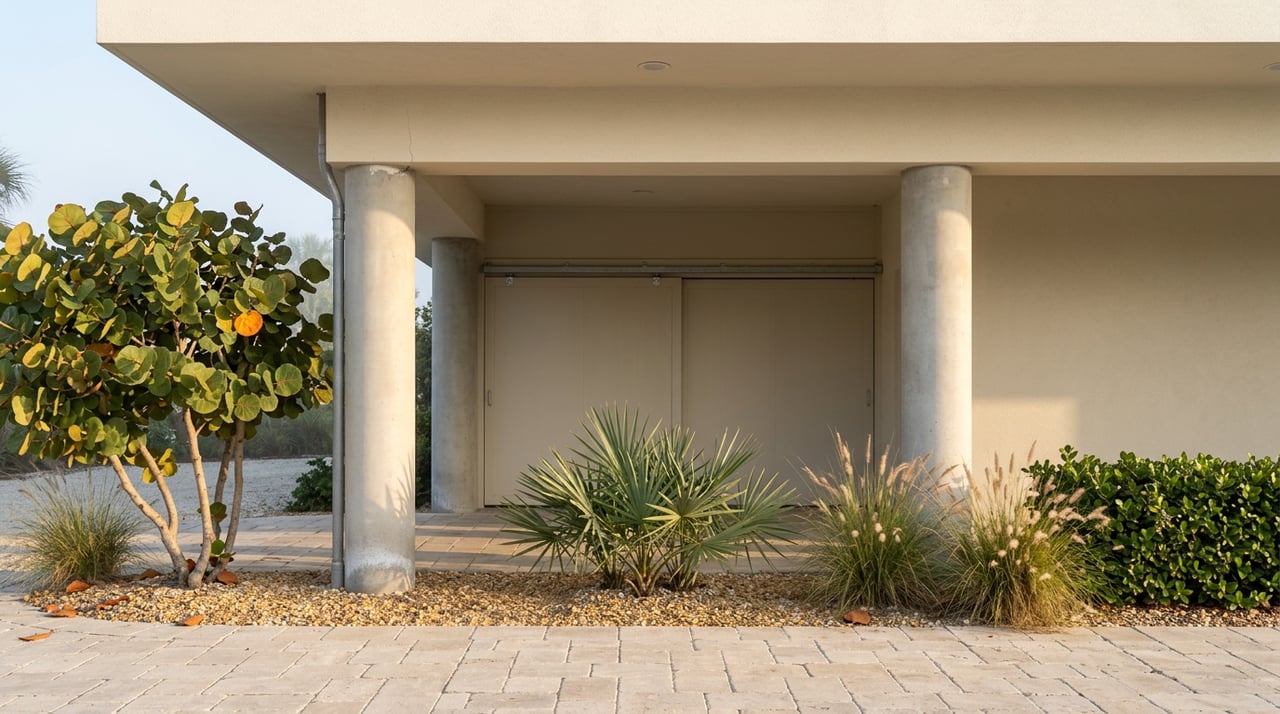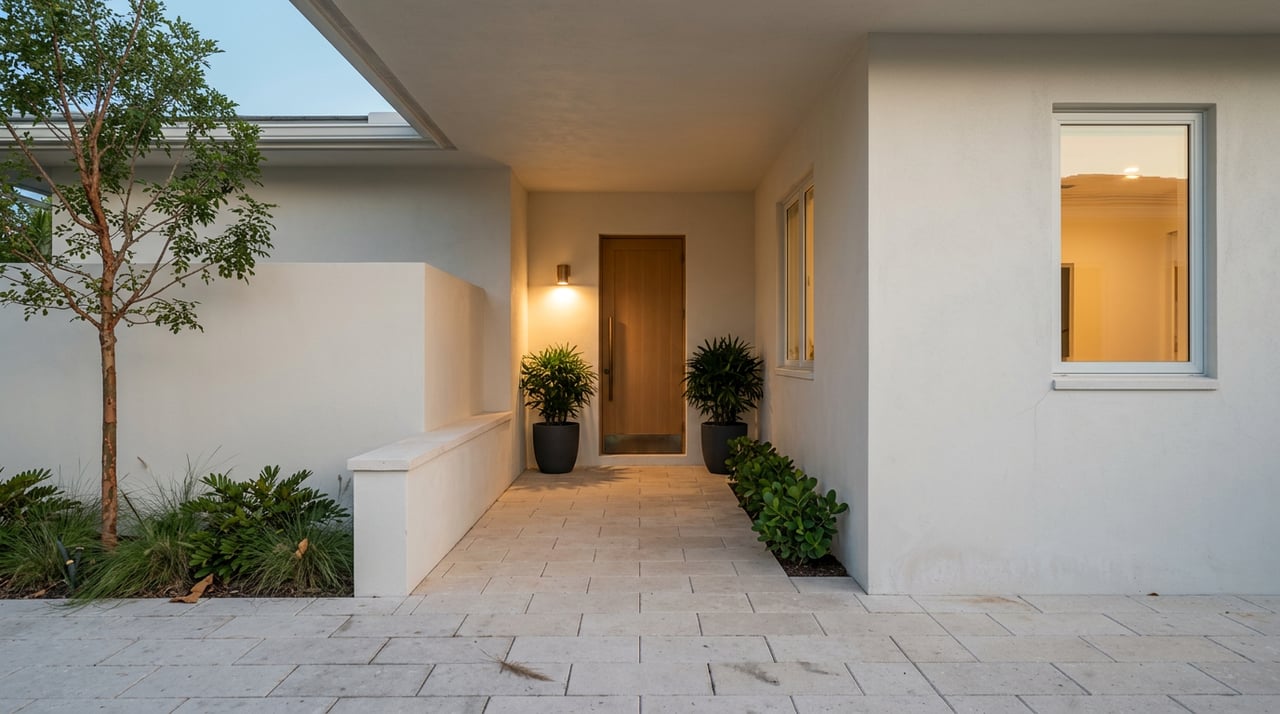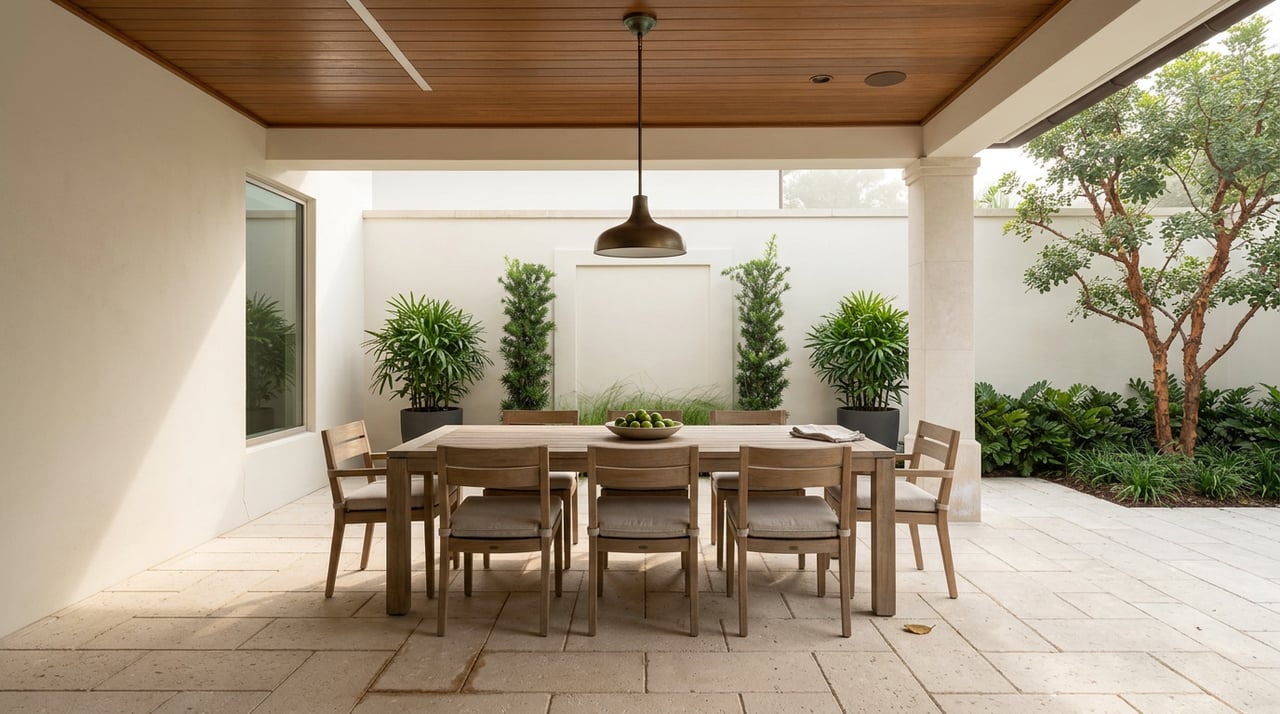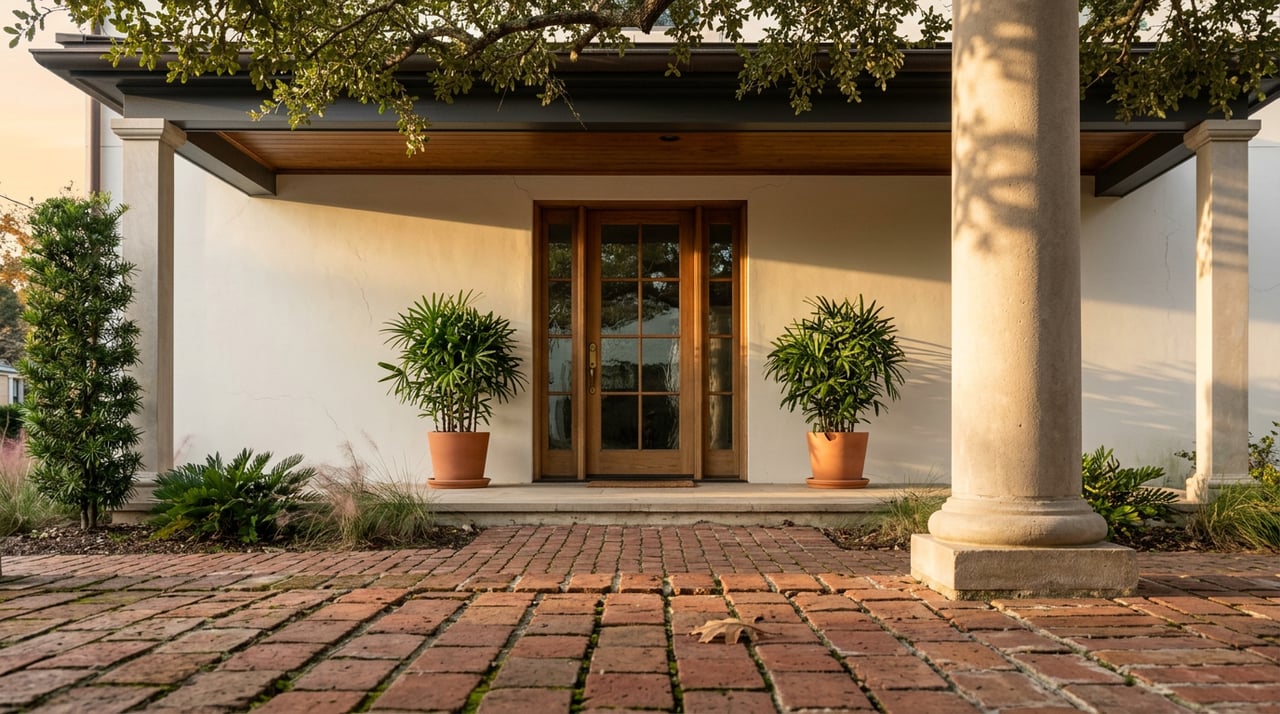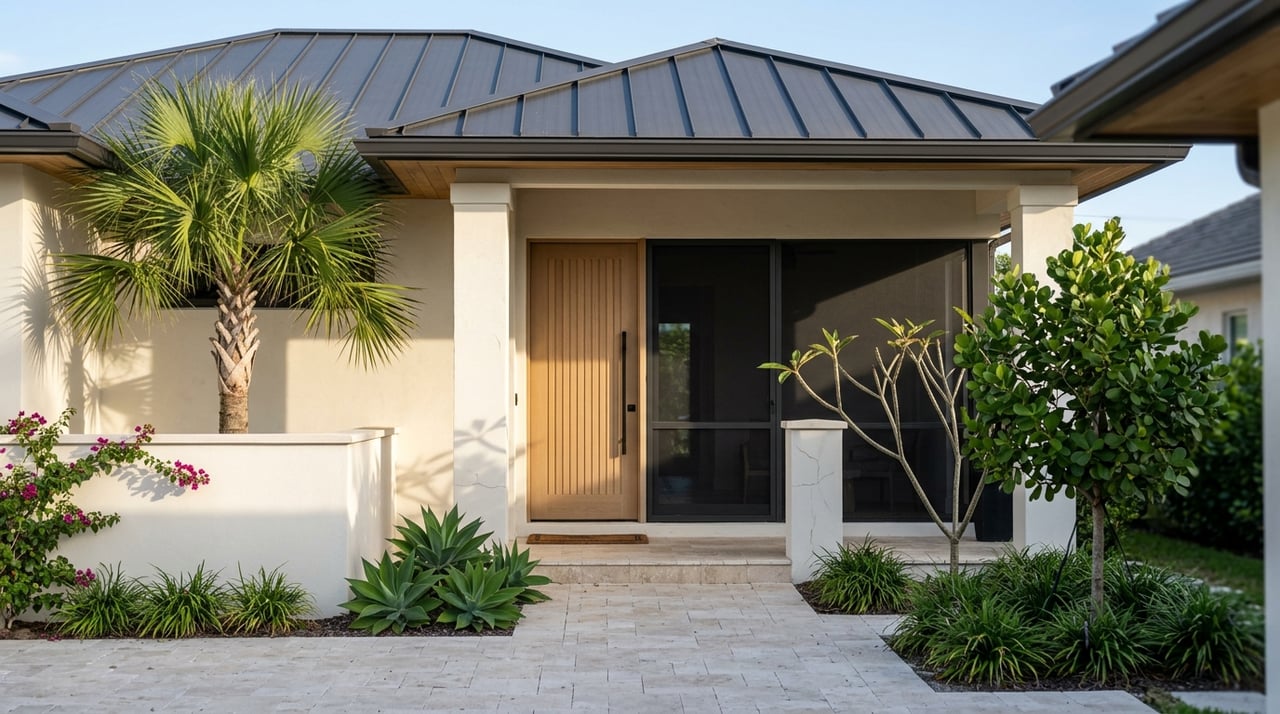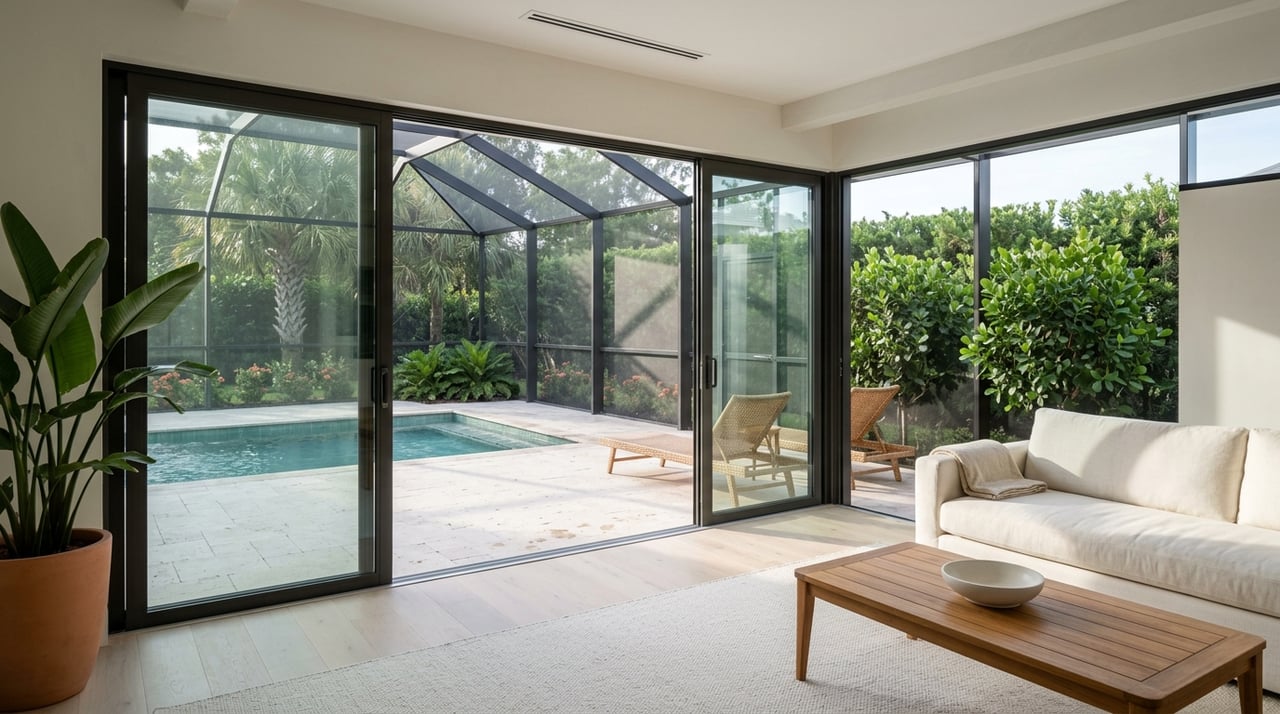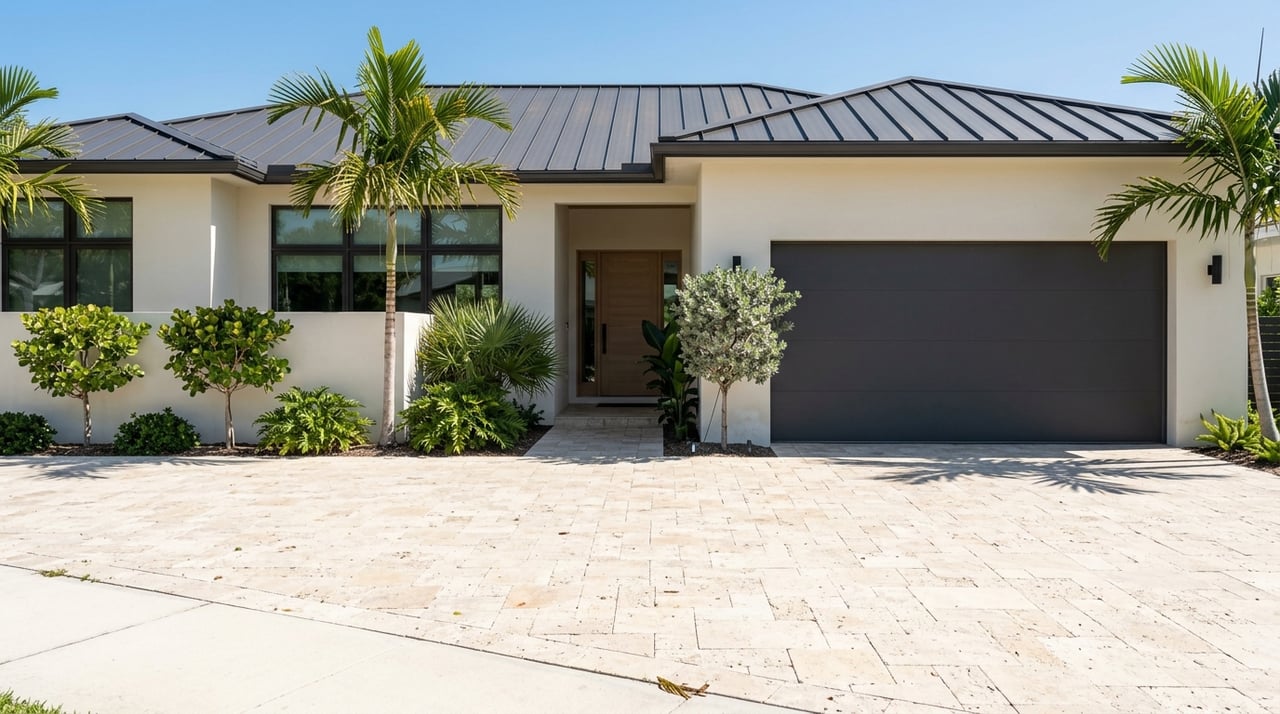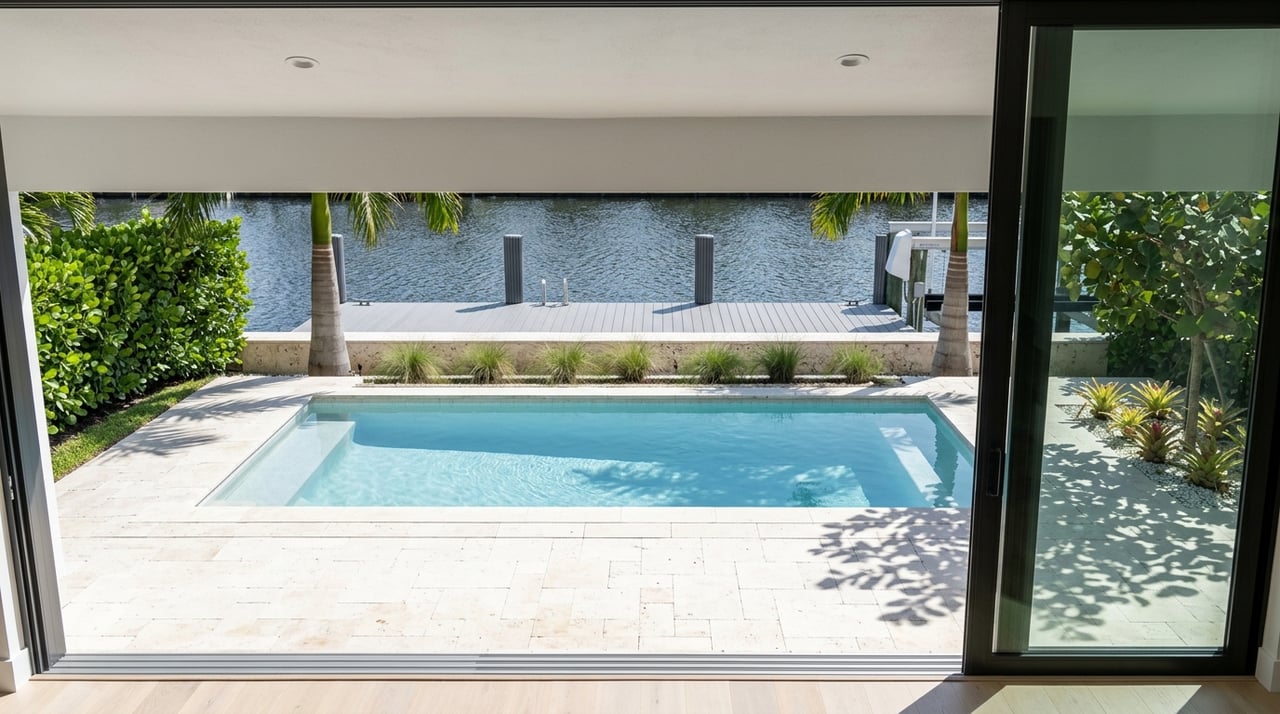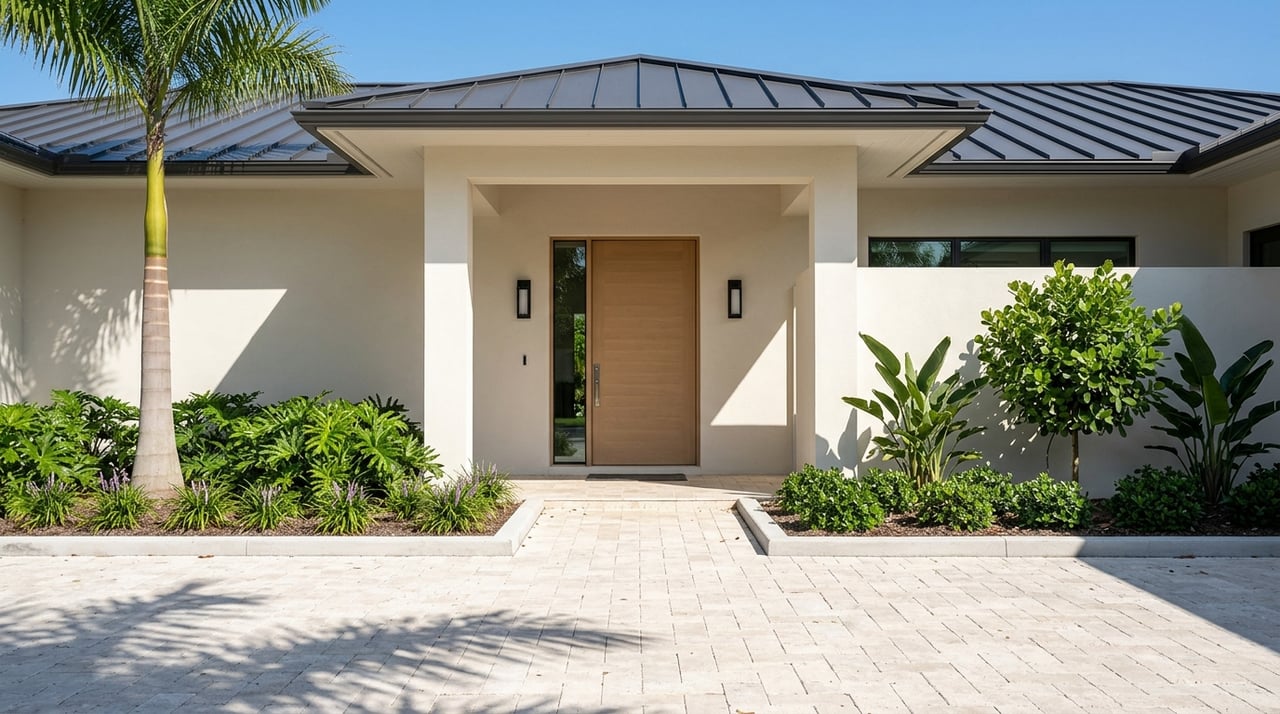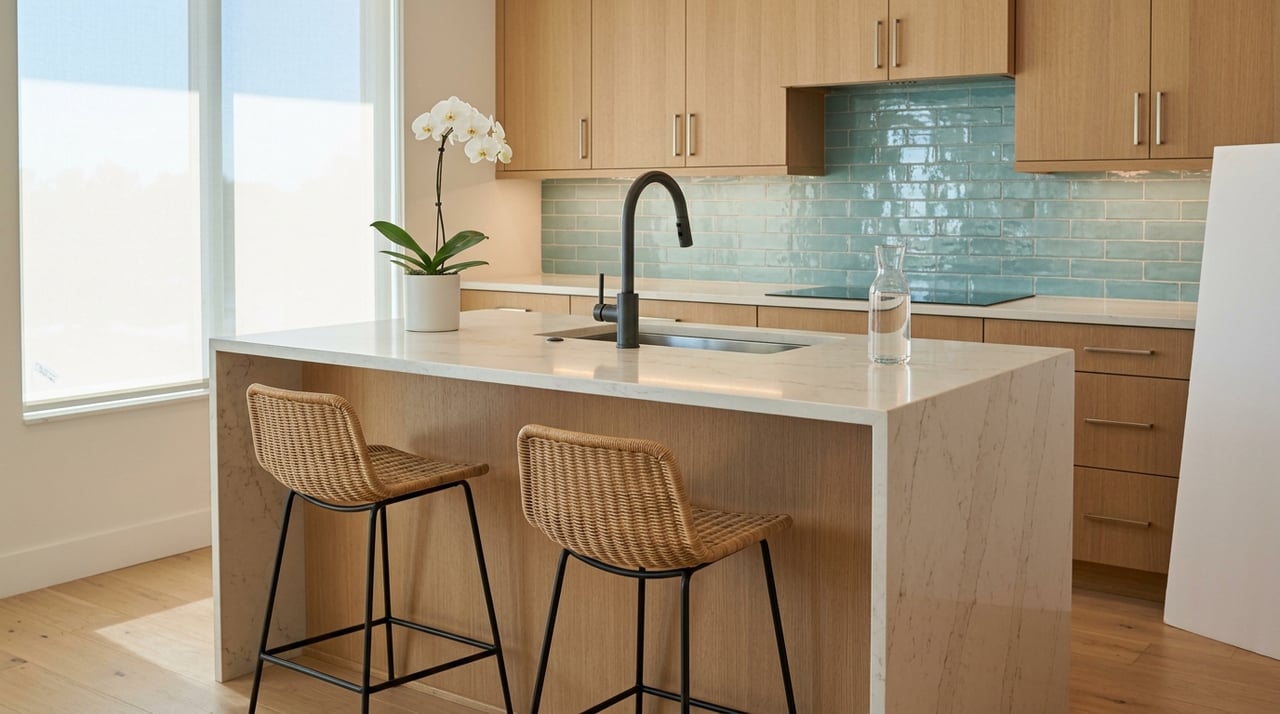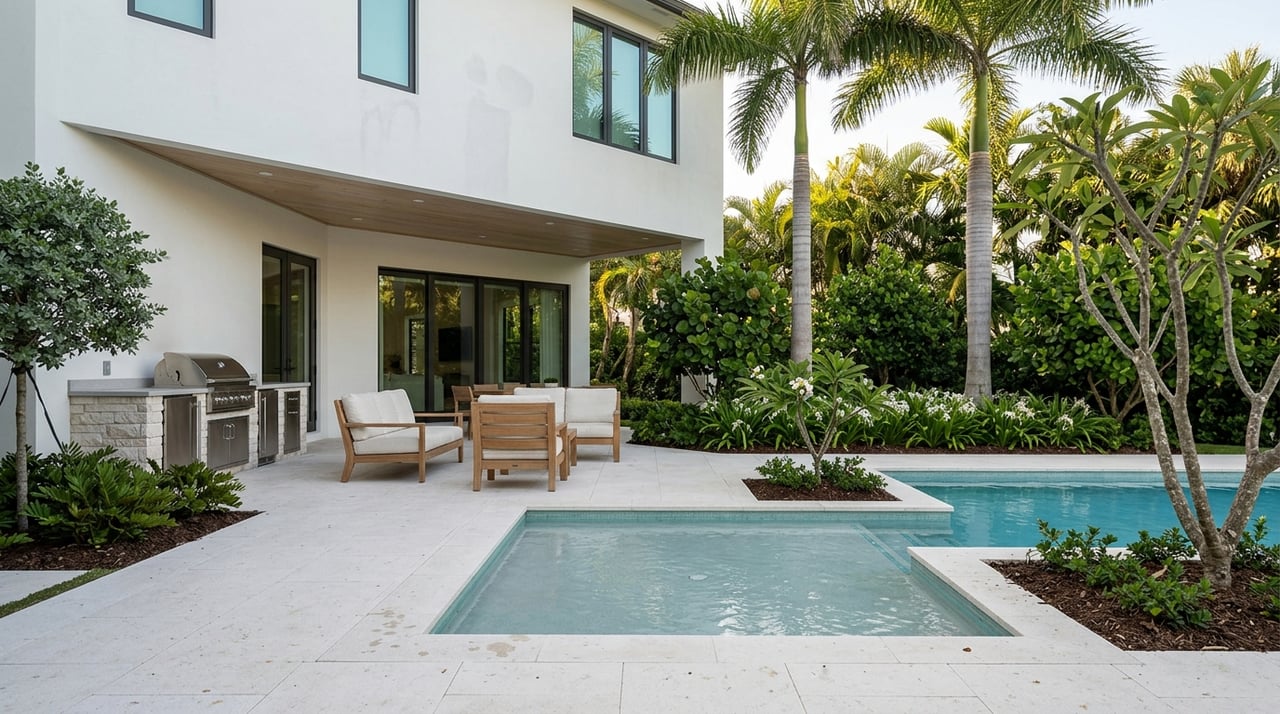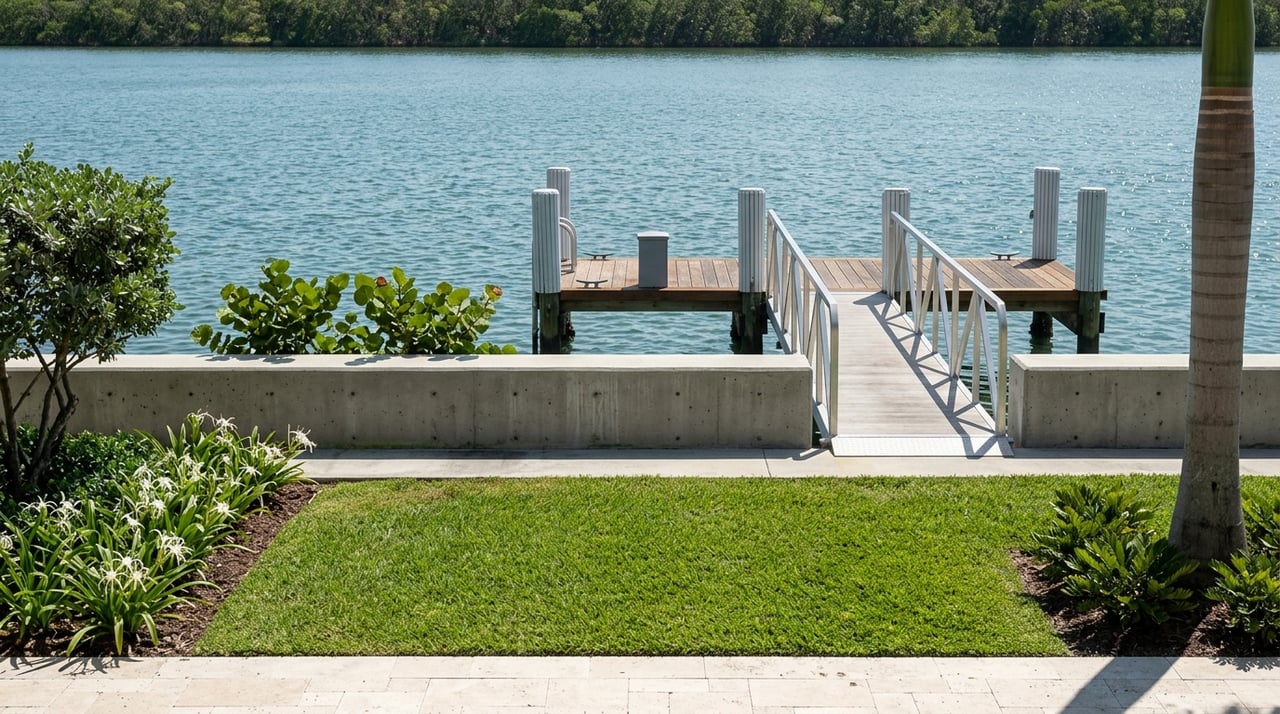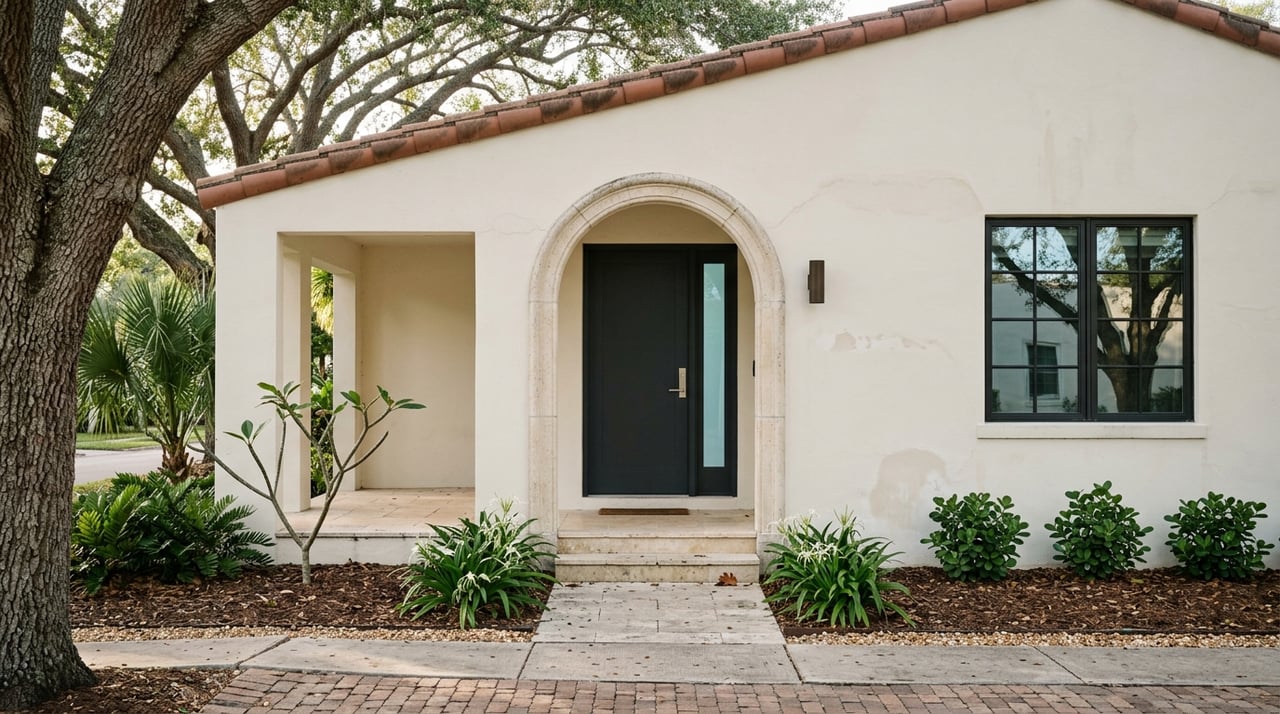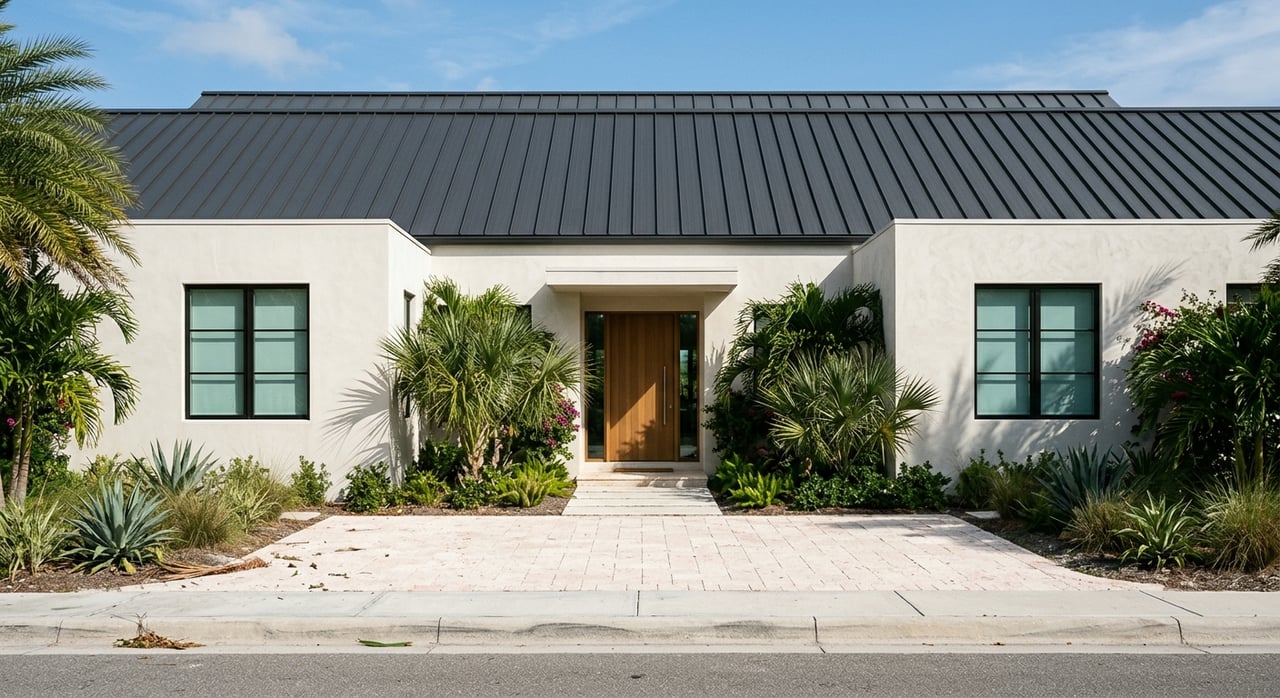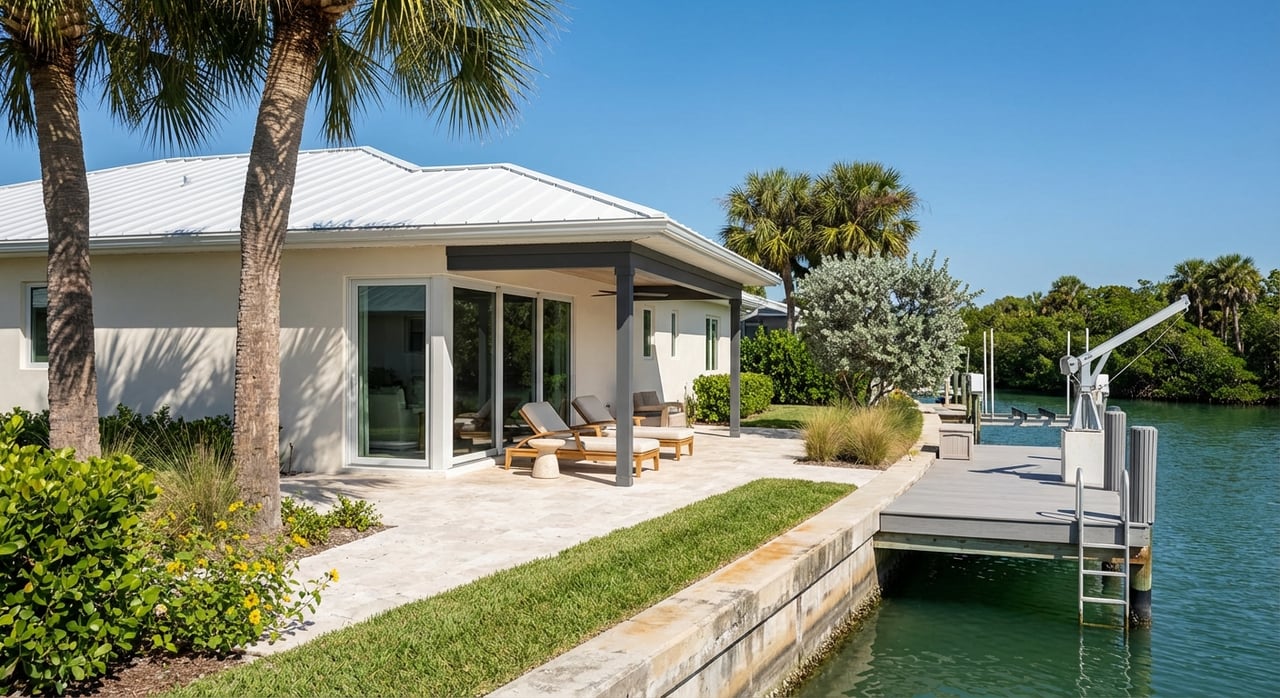
A buyer walks a canal-front cottage on the east end. The list price pencils out at $637 a square foot, right on the island average. The listing agent mentions the home was gutted and tastefully refreshed after Ian. The buyer likes the light. Then the elevation certificate comes back showing a first-floor elevation two feet below the current base flood elevation, and the whole underwriting model resets.
The Sanibel median has softened. As of May 2026, homes were closing at a median around $995,000 with roughly 473 to 502 active listings on the market and average days on market between 113 and 151, depending on which feed you read. Zillow's Home Value Index shows Sanibel down 12.4% year over year. That is the market story most buyers arrive with. The story most buyers leave without is the one that actually prices Sanibel real estate right now: whether the home in front of them is conforming to the current flood elevation standard, and what the FEMA 50 Percent Rule will let a future owner do with it.
The Non-Conforming Discount Isn't a Discount
Sanibel's floodplain regime predates most of the current housing stock. FEMA issued the island's first flood maps in 1979, and homes built before then generally sit below the current base flood elevation. In the language of the City's Land Development Code, those homes are non-conforming structures. That designation follows the property, not the owner.
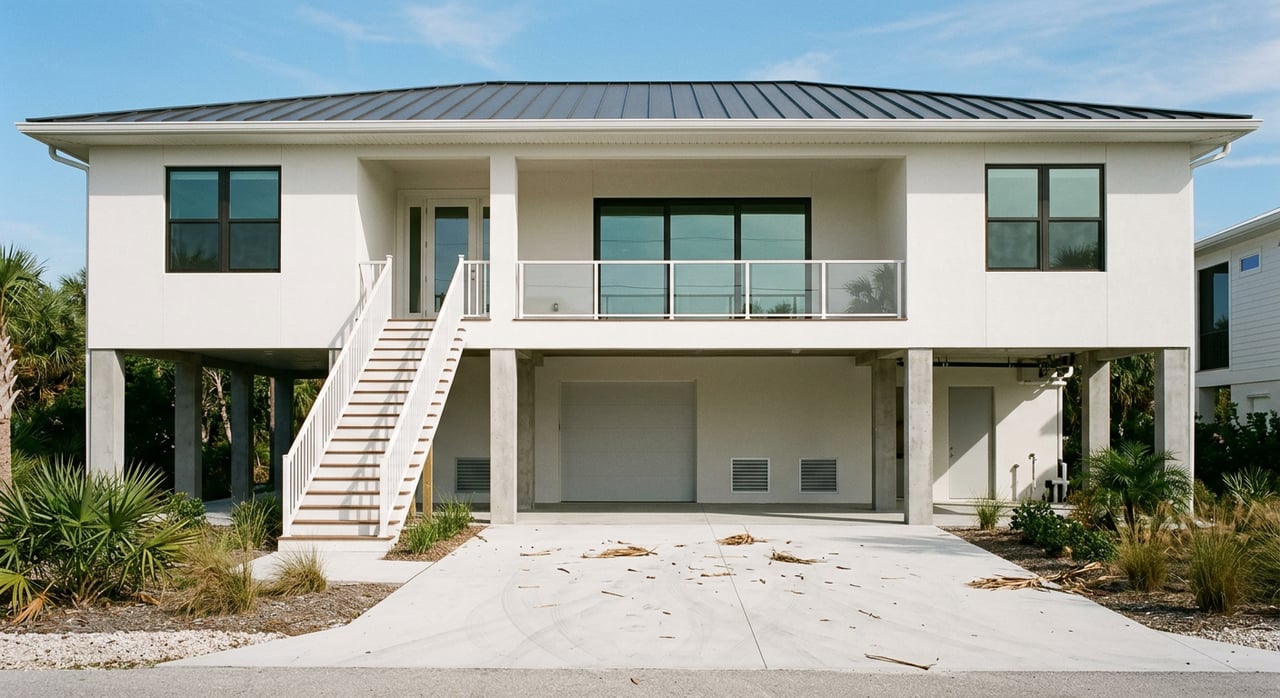
The 50 Percent Rule, as FEMA writes it and as the City of Sanibel enforces it, says any repair, renovation, or addition to a non-conforming home that reaches 50% of the structure's pre-damage market value forces the entire home into current-code compliance. On a barrier island, current-code compliance means lifting the lowest horizontal structural member above the current BFE. On pilings. All of it.
Eric Pfeifer, a Sanibel broker and vice chair of the City's Planning Commission, has documented the arithmetic clearly, working from conversations with Planning Director Paula McMichael and Chief Building Officer Craig Molé. If your appraiser sets the pre-damage building value at $750,000, your permit for total repair and renovation costs cannot exceed roughly $375,000 without triggering full elevation. The Planning Department reviews the estimate against the appraisal before it issues the development permit. This is not a paperwork step buyers can defer to closing.
Two Listings, Same Price, Different Economics
| Conforming home (built or elevated after 1979 mapping) | Non-conforming home (below current BFE) | |
|---|---|---|
| Rebuild ceiling | No 50% cap on improvement cost | Cumulative improvement kept under 50% of pre-damage building value |
| Renovation planning | Kitchen, bath, addition priced on scope alone | Every project measured against a running total |
| After substantial damage | Rebuild to prior footprint permitted | Full elevation to BFE required to keep the structure |
| Insurance leverage | Standard NFIP pricing on new construction | Increased Cost of Compliance coverage becomes central |
Two Sanibel listings at $995,000 can occupy opposite columns. The one on the left is a house. The one on the right is an option on a house, priced against a renovation budget the buyer does not fully control.
The Cumulative Trap Voluntary Buyers Fall Into
The rule most buyers miss is that voluntary improvements count. If the seller replaced impact windows in 2023 and refreshed a bathroom in 2024, those permits stay on the ledger. When the new owner wants to open the kitchen wall in 2027, the building department adds the old work to the new work against the 50% threshold. Shoremark's building-science team has written plainly about this: cumulative lookbacks are the reason homeowners trigger substantial improvement without a storm ever hitting.
Sanibel's floodplain calculation, guided by the FEMA Substantial Improvement/Substantial Damage Desk Reference, treats an appraisal as the anchor. The pre-damage market value is a structure-only number. Land is excluded. So is any accessory building. That distinction matters on Sanibel, where lot values carry a disproportionate share of the total price. A $2 million canal-front lot with a $500,000 1970s house on it produces a $250,000 renovation ceiling, not a $1 million one.
Why the 2024 Height Ordinance Actually Helped Sellers
For years the compression problem was real. Sanibel's Land Development Code capped residential structures at 35 feet above predevelopment grade, and the required BFE lifts under the Florida Building Code were eating into that ceiling. Owners who wanted to elevate and rebuild kept losing usable interior height.
The City Council fixed part of this after Ian. The approved ordinance removed the 35-foot-above-predevelopment-grade limitation while holding the maximum height at 45 feet NAVD. In the Resort Housing District, Ordinance 24-020 raised the maximum height above BFE from 33 feet to 37 feet. Angle-of-light measurements were also converted from predevelopment grade to NAVD, which makes small-lot design more workable. The city was not increasing the overall height cap. It was giving elevated rebuilds the vertical room to actually be homes.
For a buyer, that means a non-conforming teardown-and-rebuild scenario now underwrites differently than it did in 2023. A three-story elevated home on a modest lot is achievable in a way it was not before. That fact should show up in what a buyer is willing to pay for a non-conforming structure on a good lot.
The CRS Story That Skips Sanibel
Most of the flood-insurance news from Lee County over the past two years does not describe Sanibel. When FEMA retrograded Lee County's Community Rating System class from 5 to 10 in 2024, the communities that lost the 25% NFIP discount were Cape Coral, Bonita Springs, Estero, Fort Myers Beach, and unincorporated Lee County. Sanibel, incorporated separately and running its own floodplain program under the Sanibel Plan, was not on that list.
That is not accidental. The Sanibel Plan turns 50 in 2026 and is currently being updated by a steering committee that has been meeting monthly since August 2025. The plan's floodplain and habitat protections have long been stricter than the county's, which is precisely why Sanibel's CRS status did not travel with Lee County's. Buyers who are underwriting insurance carrying costs on a Sanibel purchase should not paste in the mainland's story. They should ask their agent to confirm the current CRS class and the discount attached to it, and to price ICC coverage separately.
Insurify's May 2026 reporting put average annual Florida flood insurance at $958. On Sanibel, the number that matters is not the average. It is the interaction between elevation status, ICC coverage, and the specific carrier's approach to non-conforming structures. Those three variables move the annual cost by thousands, not hundreds.
What to Actually Ask Before You Write the Offer
The transaction-specific questions are short and unglamorous. Ask them anyway.
- Pull the current elevation certificate. If the seller does not have one, order it in due diligence. The surveyor's number is the only one that matters to the Planning Department.
- Request a full permit history from the City covering the last five years. Cumulative work counts against the 50% ceiling for the next owner.
- Ask the seller's insurance agent to share the current NFIP declarations page, including whether ICC coverage is in force and at what limit.
- If the home is non-conforming, get a builder's rough order-of-magnitude cost to elevate before removing the inspection contingency. Slab-on-grade elevation is often uneconomic. Demolition and rebuild frequently pencils better.
- Confirm the LEEPA structure-only market value the City would use in a substantial damage determination. Then ask whether the seller has an independent Florida-licensed appraisal that comes in higher. Either number can anchor the 50% math.
The softer 2026 market is what makes these questions realistic to ask. When homes sold in 59 days last spring, buyers waived diligence to compete. At 113 to 151 days on market, the leverage sits on the other side of the table.
Frequently Asked
Does the 50% Rule apply to condominiums on Sanibel? Yes, and it applies to the primary structure as a whole, not to individual units. An association's aggregated repair cost after a storm can push the entire building into substantial damage even when individual owners' unit-level damage looks modest. Underwrite the association's reserve study, its post-Ian repair history, and its master flood policy alongside your unit.
If a home was already elevated after Ian, is the 50% Rule irrelevant? Largely, yes, on the elevation question. A now-conforming home has no cost cap on future renovation. What still matters is confirming that the lowest horizontal structural member sits above the current BFE, that the elevation certificate documents it, and that the building permit closed cleanly.
How is Sanibel's exposure different from Fort Myers Beach for a buyer weighing the two islands? Different jurisdictions, different floodplain histories, different CRS trajectories. Fort Myers Beach is working through a formal FEMA remediation path with 252 identified properties and specific permitting reforms required to regain its CRS discount. Sanibel has been operating its own program under the Sanibel Plan and did not lose its class. That does not make one island a better buy than the other. It means the insurance and rebuild inputs to your model are not interchangeable.
The Sanibel purchase that will look smart in five years is the one where the buyer priced the elevation status, not the sticker. If you would like a private, unhurried conversation about specific properties, including off-market inventory where the rebuild math already pencils, Jodi Hanson at Premier Sotheby's International Realty will walk the elevation certificate and the permit history with you before the offer, not after. Get Access to Our Private Listings.